
Last updated November 22, 2026
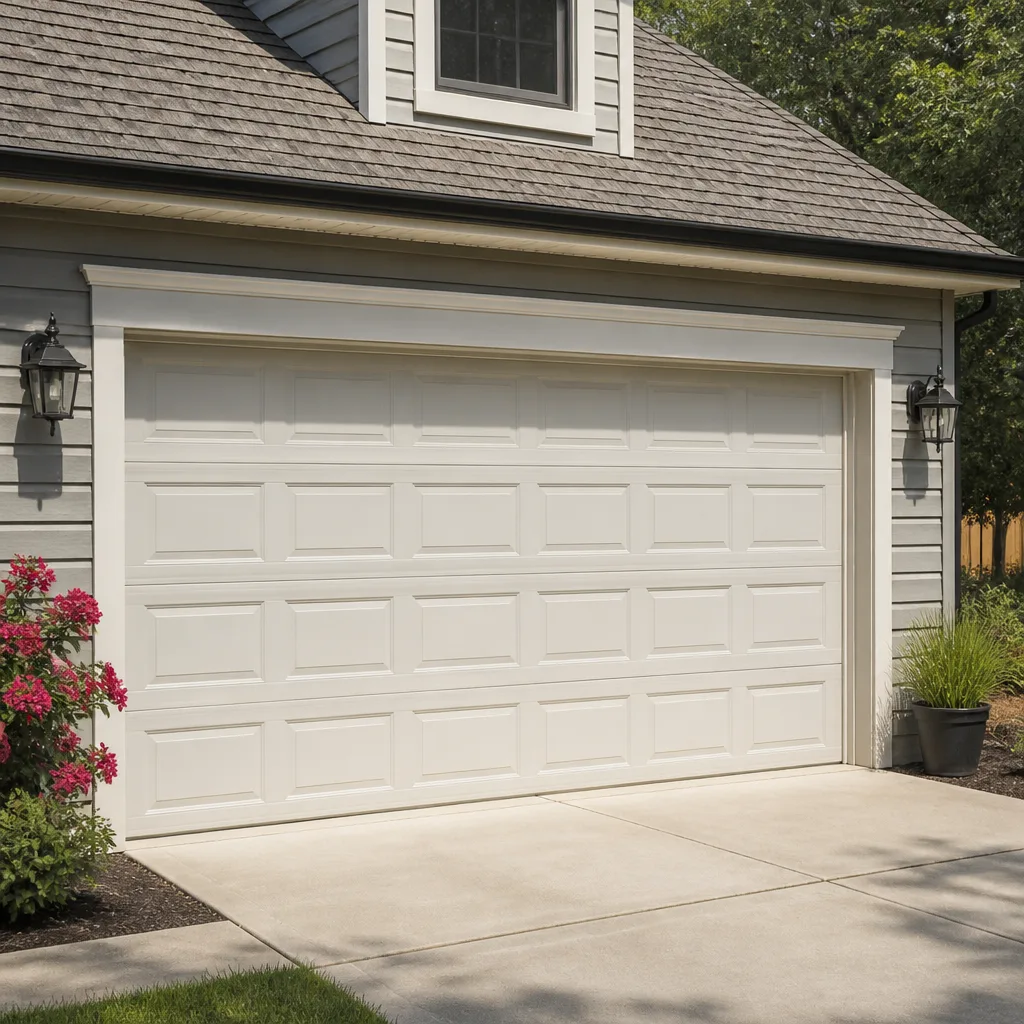 Raised-panel steel
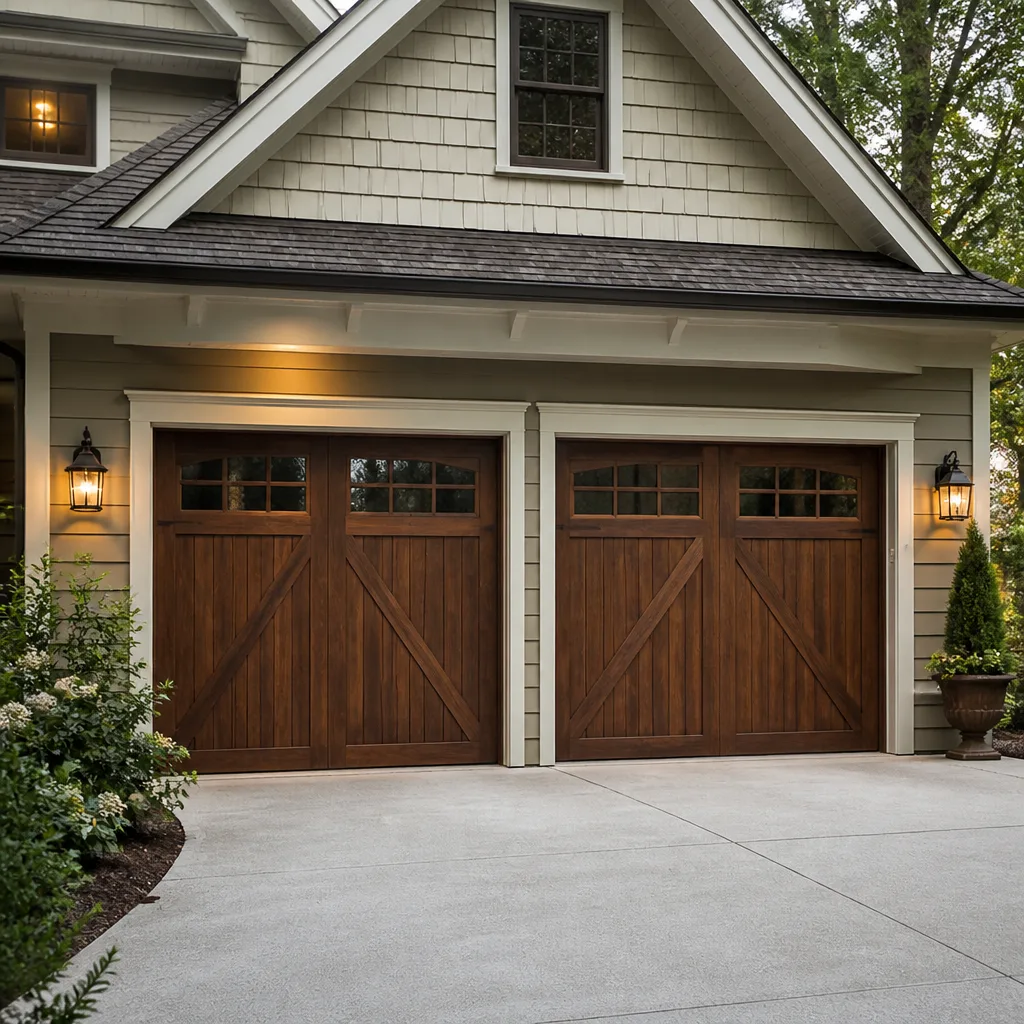 Carriage house
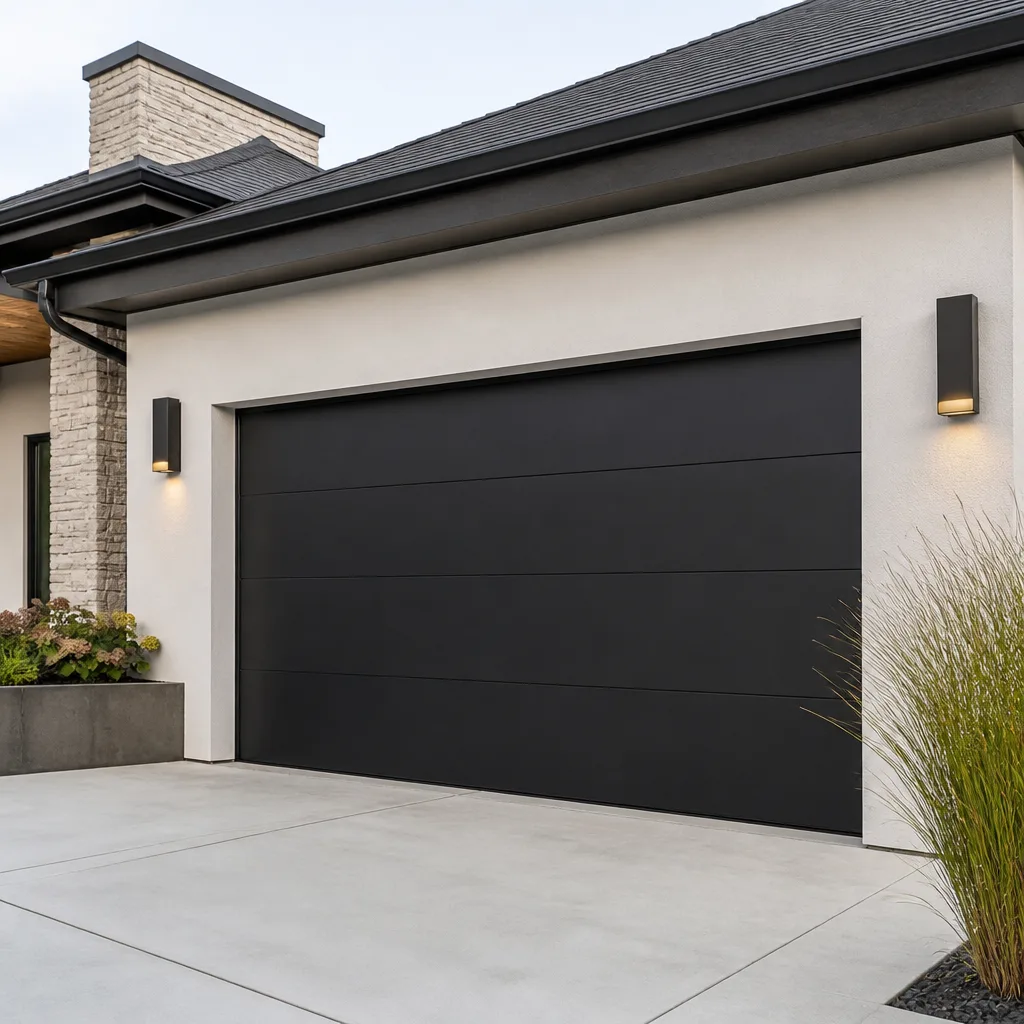 Modern flush
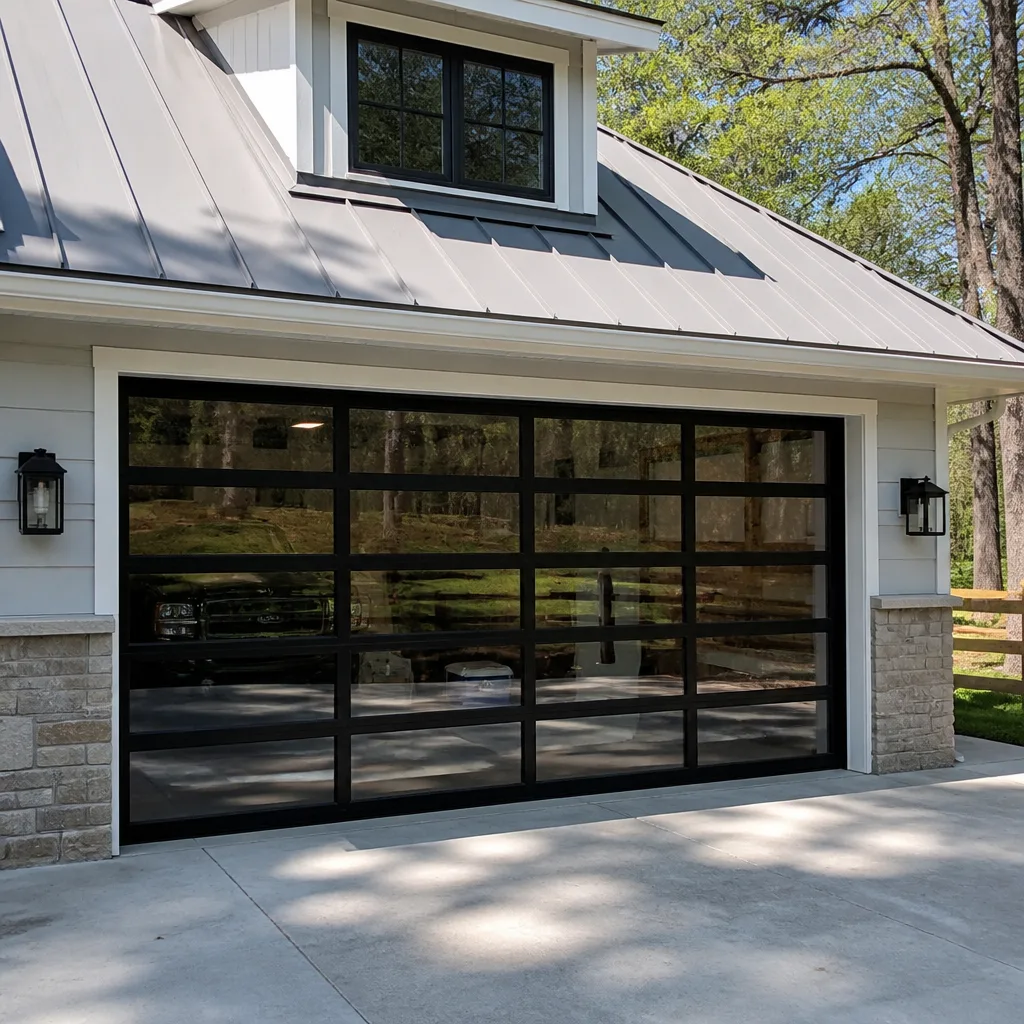 Full-view glass
 LiftMaster openers
 Chamberlain openers
Full 25-point door and opener safety check with every visit - springs, cables, rollers, tracks, and your LiftMaster or Chamberlain opener included
You get a price before we start. It does not change when the pro arrives.
Get your free estimateGarage Door Warning Signs: An Edina Homeowner’s Reference Guide
The grinding noise your garage door makes every morning isn’t “just how it sounds now.” It’s a specific component telling you exactly what’s about to fail, if you know what you’re hearing. Most homeowners in Edina read the early signals as normal wear and wait. Then a spring breaks at 7 a.m. on a school morning, the door drops hard, and a repair that would have been a simple adjustment turns into an emergency call. Garage doors rarely fail without warning. They fail in a sequence, and each stage of that sequence sounds, looks and behaves differently. This guide teaches you to read that sequence accurately, so you can act on a small fix instead of paying for a full failure.
Quick Answer
Garage door warning signs worth acting on immediately are grinding or popping sounds, a door that hangs crooked, cables that look slack on one side, and an opener that strains or reverses on its own. Most of these are early mechanical signals, not cosmetic quirks. A noisy but otherwise smooth door often just needs lubrication or a track adjustment, while a crooked door or a snapped cable means stop using it and call a trained technician. In Edina’s cold winters, the freeze-thaw cycle accelerates wear on springs and cables, so paying attention to these signs early saves both money and risk.
Styles & brands we work with
- Raised-panel steel
- Carriage house
- Modern flush
- Full-view glass
- LiftMaster openers
- Chamberlain openers
Table of Contents
- What Each Garage Door Sound Is Telling You
- Reading Visual Asymmetry Before a Cable Snaps
- Opener Behavior Changes That Signal Component Trouble
- The Slow Death of a Spring vs. the Sudden Snap
- What You Can Fix Yourself vs. What Means Stop Using the Door
- How Edina Winters Change the Warning Signs
- The Escalation Sequence: From Noise to Failure
- A Simple Seasonal Check That Catches Most Problems
What Each Garage Door Sound Is Telling You
Sound is the first and most reliable warning a garage door gives you. Every component in the system produces a distinct noise when it starts to fail, and matching the sound to the part shortens the diagnostic work considerably. In our experience, homeowners often describe three or four noises as one, but each one points to a different fix. Here’s how to separate them.
- Grinding: Metal-on-metal contact, usually from dry or worn rollers, a bent track, or a torsion tube that’s shifted. Grinding rarely means the door is about to fall, but ignoring it wears the track and rollers faster, which turns a cheap part swap into a bigger job.
- Popping: Repeated popping, especially on the first open of the day, often points to a torsion spring winding unevenly or a cable riding off its drum. This is an early spring warning sign and one of the most important to take seriously.
- Squealing: High-pitched squealing usually comes from dry hinges, rollers, or a lack of lubrication on the torsion bar. It’s often the easiest fix on the list and a good candidate for a homeowner’s own oil can.
- Banging or slamming: A loud bang when the door opens or closes usually means a snapped torsion spring. A bang followed by a door that won’t lift means a spring failure has already happened.
- Rattling: Loose fasteners or a panel that’s working free of its hinges. Rattling is rarely dangerous on its own, but it points to the loose hardware that later causes a track jump.
Edina homes with older wood-panel doors often carry more noise than newer steel doors simply because of weight and hinge wear. That doesn’t make the noise harmless. What matters is whether a sound is new, whether it’s getting louder, and whether it comes with a change in how the door moves. A door that’s always rattled is one thing. A door that started rattling last month is a warning.
Reading Visual Asymmetry Before a Cable Snaps
A crooked garage door is the single most overlooked warning sign we see. The door should hang perfectly level and travel straight up and down. When one side rises faster than the other, or when a gap appears above one corner and not the other, the system has already lost balance. That imbalance usually traces back to uneven cable tension, and it’s the stage where a cable is under the most stress, right before it snaps.
Here’s how to spot uneven cable tension before a break, without touching anything:
- Look at the door from outside, standing back. If the bottom edge isn’t parallel to the floor, or the top panel gaps unevenly, the door is out of balance.
- Watch the door during a full open. One side lagging or leading the other is a sign of unequal tension.
- Check the cables with your eyes only. From a safe distance, look for a cable that appears slack, frayed, kinked, or coiled unevenly on its drum. Never reach up to test a cable by hand.
- Listen for a popping or snapping sound on one side. One-sided noise points to one-sided tension.
If you see any of these, stop operating the door. A cable that snaps under tension can whip with enough force to cause serious injury, and it can drop the door without warning. This is not a repair to attempt yourself. A trained technician can check the cables, rebalance the door, and set the tension safely. We work with the major builders’ hardware, including LiftMaster, Chamberlain, Wayne Dalton, and Raynor systems, so the balance and cable setup gets set to the door’s actual design rather than a guess.
Opener Behavior Changes That Signal Component Trouble
Your opener is the brain of the system, and it often reports problems before the door itself does. A door that runs fine but whose opener behaves differently is a door in the early phase of a component problem. These are the changes that matter:
- Slower response: If you press the remote and the door takes longer to start than it used to, the opener’s motor or capacitor may be weakening. On a chain-drive Craftsman or LiftMaster unit, this is often a sign the opener is near the end of its service life.
- Reversing unexpectedly: A door that goes down partway and reverses on its own usually means the safety sensors are misaligned, dirty, or blocked, or the openers’ force settings are off. This is both a warning and a safety issue, because the door should only reverse when something is in its path.
- Straining or laboring: If the opener sounds like it’s fighting the door, the door may be out of balance. The opener is trying to lift a door that should be moving almost on its own. That’s a balance problem, not an opener problem.
- Intermittent operation or short range: A remote that only works when you’re close to the door often points to a failing opener logic board or a battery, not the door itself.
- Lights flashing but the door not moving: A common safety-lockout signal. Check the sensor lights first, then call if the door still won’t move.
If the opener itself has failed, garage door opener repair is the right first step. Many Edina homeowners assume a new door is needed when the actual issue is a sensor, gear, or logic board. We test the opener and the door separately before recommending any part, which is why one call covers the diagnosis.
The Slow Death of a Spring vs. the Sudden Snap
Not all spring failures look the same, and the two patterns carry different risk. A spring that’s dying slowly gives you weeks of warning. A spring that snaps suddenly gives you almost none. Knowing which pattern you’re seeing tells you how urgently to act.
The slow-death pattern is a torsion spring losing tension over time. It’s the most common pattern in an older door, and the signs stack up gradually:
- The door feels heavier when you lift it by hand.
- The opener strains more on the first open of the day.
- The door doesn’t stay up as firmly as it used to.
- You hear popping or creaking from the spring area.
- The door drifts down a little when left half-open.
The sudden-snap pattern is a torsion spring breaking in one event. There’s a sharp bang, the door won’t lift, and the spring visibly separates. This is more dangerous because the suspension comes with no lead-in. If the door is partially open when a spring snaps, the door can drop fast. A snap is also the most expensive kind of failure because it can damage cables, hinges, and panels in the fall.
Slow-death springs are actually easier and safer to replace, because the failure hasn’t happened yet. Both patterns point to the same service: spring repair in Edina homes is a named, standalone repair for us, not a job we hand off. Garage door spring repair is one of the most technically demanding, safety-critical parts of this trade, and it should only be done by a trained technician. If you suspect a spring is failing, don’t test it by hand. Call and have it checked.
What You Can Fix Yourself vs. What Means Stop Using the Door
Not every warning sign needs a technician, and treating every squeak as an emergency wastes money. But treating every creak as normal wastes a lot more. Here’s a straight way to split the list.
Signs you can usually address yourself:
- Squealing from dry hinges or rollers. A proper garage door lubricant on the hinge pins, rollers, and torsion bar quiets this.
- Occasional rattling from loose bolts on the hinges or track brackets. Snugging them with a wrench is safe, as long as you don’t overtighten.
- Safety sensors out of alignment. Straighten them, clean the lenses, and check that the indicator lights come on.
- A remote that’s failing because of a battery.
- A track that’s slightly out of line from a minor bump, only if the door isn’t currently hanging unevenly.
Signs that mean stop using the door and call:
- A snapped torsion spring (the bang-and-no-lift event).
- A cable that looks frayed, slack, kinked, or off its drum.
- A door that hangs crooked or has one side lagging.
- A door that has come off its track.
- Any door that falls, reverses hard, or drops below its normal open height.
The line between the two lists is danger. Springs, cables, and anything that holds the door’s weight are under high tension, and the wrong move can cause serious injury. Track work is deceptively dangerous too, because a door that slips out of a crooked track can come down fast. When in doubt, treat it as a stop-using-the-door problem. A free estimate from a specialist costs nothing, and it’s the fastest way to know what you’re actually dealing with.
How Edina Winters Change the Warning Signs
Edina’s climate is aggressive on garage doors. The freeze-thaw cycle that defines a Minnesota winter works metal and wood against each other, and it changes which warning signs you should watch most closely. A door that behaves all summer can start to show strain in the first hard cold snap.
The main cold-weather effects to watch:
- Stiff, heavier springs. Cold steel is less forgiving, and a spring that’s already weak will feel much heavier in January. Expect the first open of a cold morning to be the most demanding test of the system.
- Contraction and track binding. As metal contracts, a track that fits snugly in summer can bind slightly in winter, and binding shows up as grinding or a door that pauses on one side.
- Lubrication breakdown. Lubricant that works in summer may feel thick in cold, which brings back squealing and strain. A quick seasonal look at the hinge points is one of the highest-value checks you can do.
- Snow and ice buildup at the threshold. A door that’s forced against ice at the bottom can stall or reverse, which is an opener strain signal, not a door failure.
- Moisture on cables. Edina winters expose cables to freeze-thaw moisture, and a cable that’s already marginal is more likely to fray in the coldest weeks.
The takeaway for Edina homeowners is simple: do your seasonal check in late fall, before the first deep freeze, and treat any new noise in January as a real signal rather than a winter quirk. If a door is already showing slow-death spring signs going into winter, replace the spring before the cold makes it fail.
The Escalation Sequence: From Noise to Failure
This is the heart of the guide. Garage doors fail in a fairly predictable sequence, and each stage has a different repair cost and safety profile. Reading the stage correctly is how you avoid paying for a full failure when a small fix would have done it.
- Stage 1: Noise and slight strain. Squealing, rattling, or a little extra opener effort. Usually lubrication, a loose bolt, or a minor roller issue. This is the cheapest stage to act on.
- Stage 2: New or louder grinding and popping. Track contact, a worn roller, or an early spring tension warning. Still a small repair, but one that needs a technician to diagnose.
- Stage 3: Visual asymmetry. The door hangs crooked or one side lags. The cables are unevenly tensioned. This is the last safe stage, because a cable is now under stress. Do not keep using the door.
- Stage 4: Opener strain and reversal. The system is now fighting itself, and the danger has moved from noise to motion. Reversals can indicate sensor or force problems that are a safety concern.
- Stage 5: Sudden failure. A spring snaps or a cable breaks. The door drops or won’t lift, and the repair now includes parts that could have been saved in Stage 1.
The pattern in our experience is that most emergency calls come from Stage 3 or 4 going unaddressed, not from Stage 5 arriving out of nowhere. The whole point of a reference guide is to move your action point back to Stage 1. If you catch a problem at the noise stage, it’s often a small job. If you wait for the bang, it’s a bigger one. And if the door has already failed, garage door repair is the call that gets it working again, with a clear diagnosis before any part is touched. We’re a garage door specialist first, so the diagnosis is the whole trade, not a side job.
A Simple Seasonal Check That Catches Most Problems
You don’t need to be a technician to catch most of the warning signs above. A ten-minute seasonal check, done a few times a year, catches the majority of developing problems before they become failures. Here’s the sequence we recommend for Edina homeowners.
- Listen at the first open of the day. One quiet residential street in Edina sounds different from the next, but your door should sound the same each time. Any new grinding, popping, or banging is the signal to look closer.
- Watch a full open and close from the side. Check for level travel, and for any pause or hitch on one side.
- Look at the cables from a safe distance. Fraying, slack, or kinks mean stop and call.
- Test the balance. With the door about halfway open and disconnected from the opener (only if you’re comfortable doing that safely), it should stay put. A door that drifts down is out of balance.
- Check the safety sensors. Clear any snow, leaves, or dirt, and confirm the sensor lights are on.
- Lubricate the moving metal parts. Hinges, rollers, and the torsion bar with a garage door lubricant.
- Tighten what’s loose, without overtightening. Hinge and bracket bolts.
If the check turns up a Stage 3 or 4 sign, stop and call. If it turns up a mild Stage 1 or 2 sign, a professional check is still worth it, because catching a spring or cable problem before winter saves you an emergency call. Our technicians have up to 10 years of experience working on the eight major brands, so the check covers the door you actually own, whether that’s a Wayne Dalton, a Craftsman, or a Raynor. We can also work with your insurer if a door failure has caused damage that your coverage addresses.
Common Mistakes to Avoid
- Ignoring a new noise as “normal for an old door.” A door that has always been a little loud is one thing. A door that started a new noise recently is telling you a part is changing. Treat new noise as new information.
- Greasing a door that needs a spring checked. Lubrication quiets a squeal but does nothing for an underlying tension problem. If the door is also heavier or slower, get it looked at, not just oiled.
- Forcing a crooked door to open. Running a door with a slack cable is the fastest way to turn cable repair into door damage. If the door hangs unevenly, stop.
- Waiting until winter to fix a slow-death spring. Edina’s first hard freeze is the worst time to discover a spring is weak. If the signs are there in fall, fix it before the cold.
- Replacing the opener when the door is the problem. Opener strain often points to a door balance issue. Replacing the opener without checking the door wastes money and leaves the problem in place.
- Assuming the cheapest quote means the whole job. A quote that covers only one spring when both are worn just moves the cost forward. Ask what’s included and whether a matched pair is recommended.
- Using a general handyman for springs or cables. These are the highest-risk parts of a garage door. A specialist should do the work, and garage door repair is the only trade we do.
See the difference
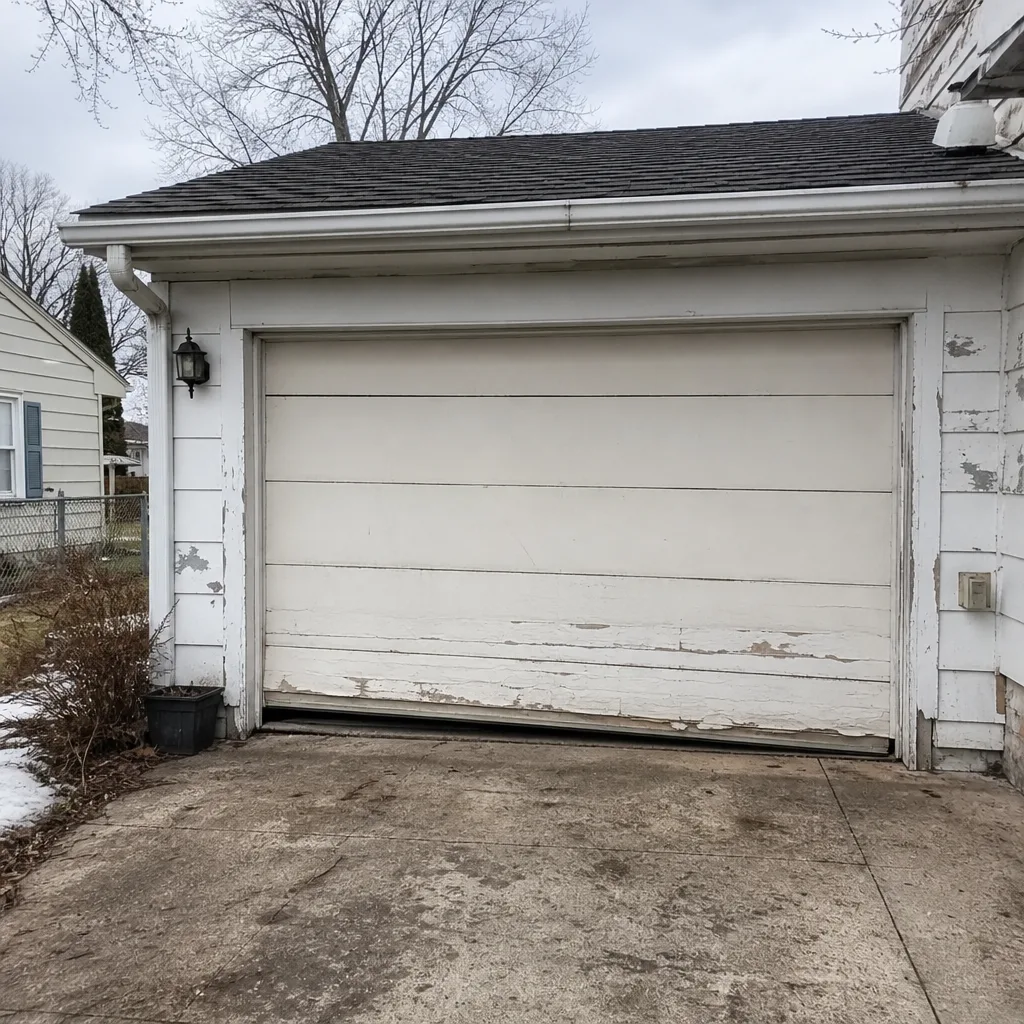 Before
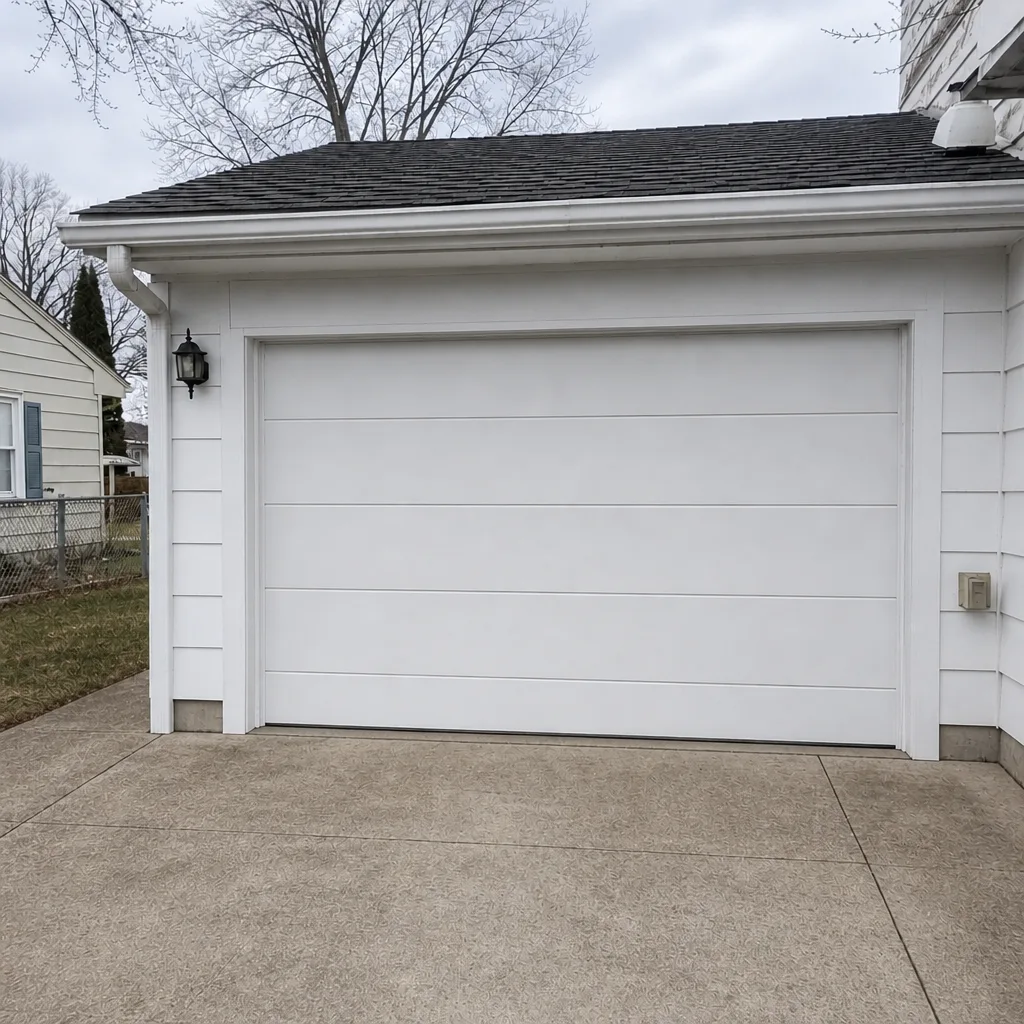 After
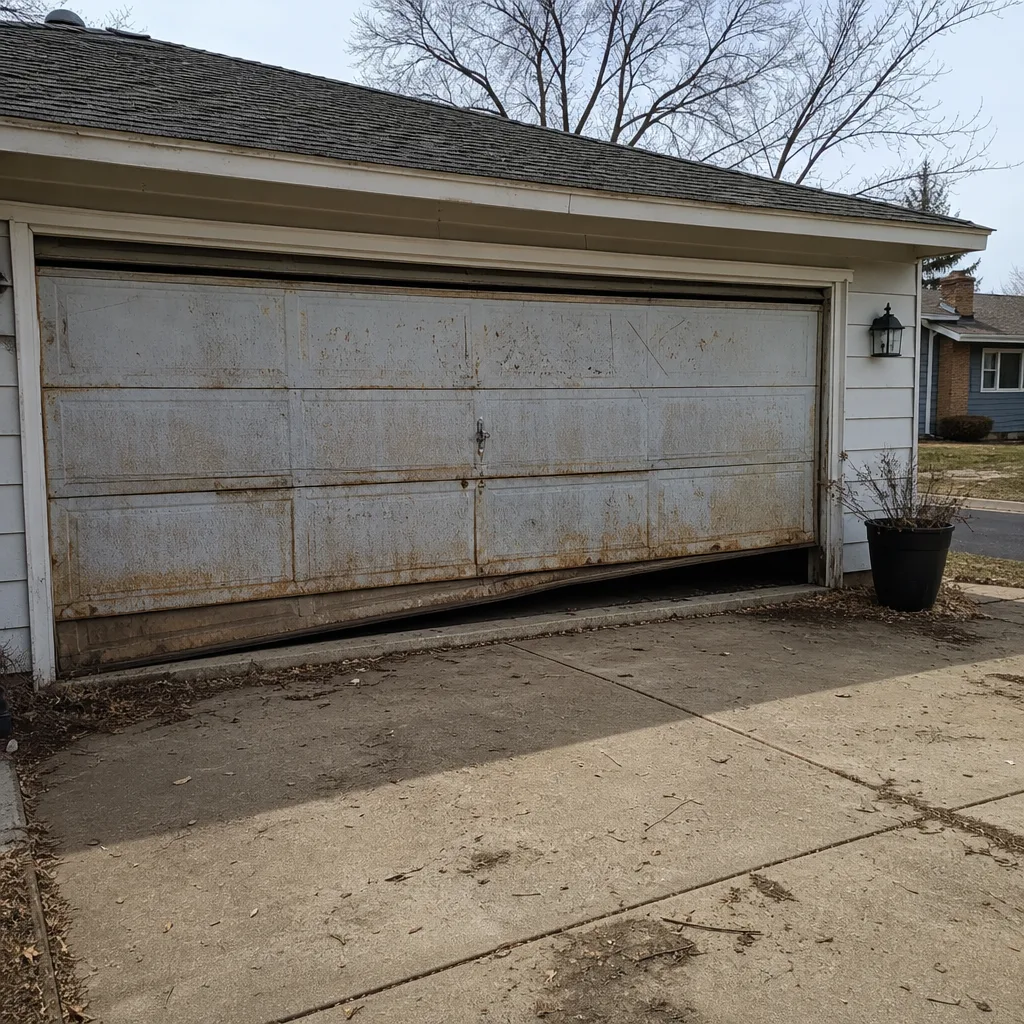 Before
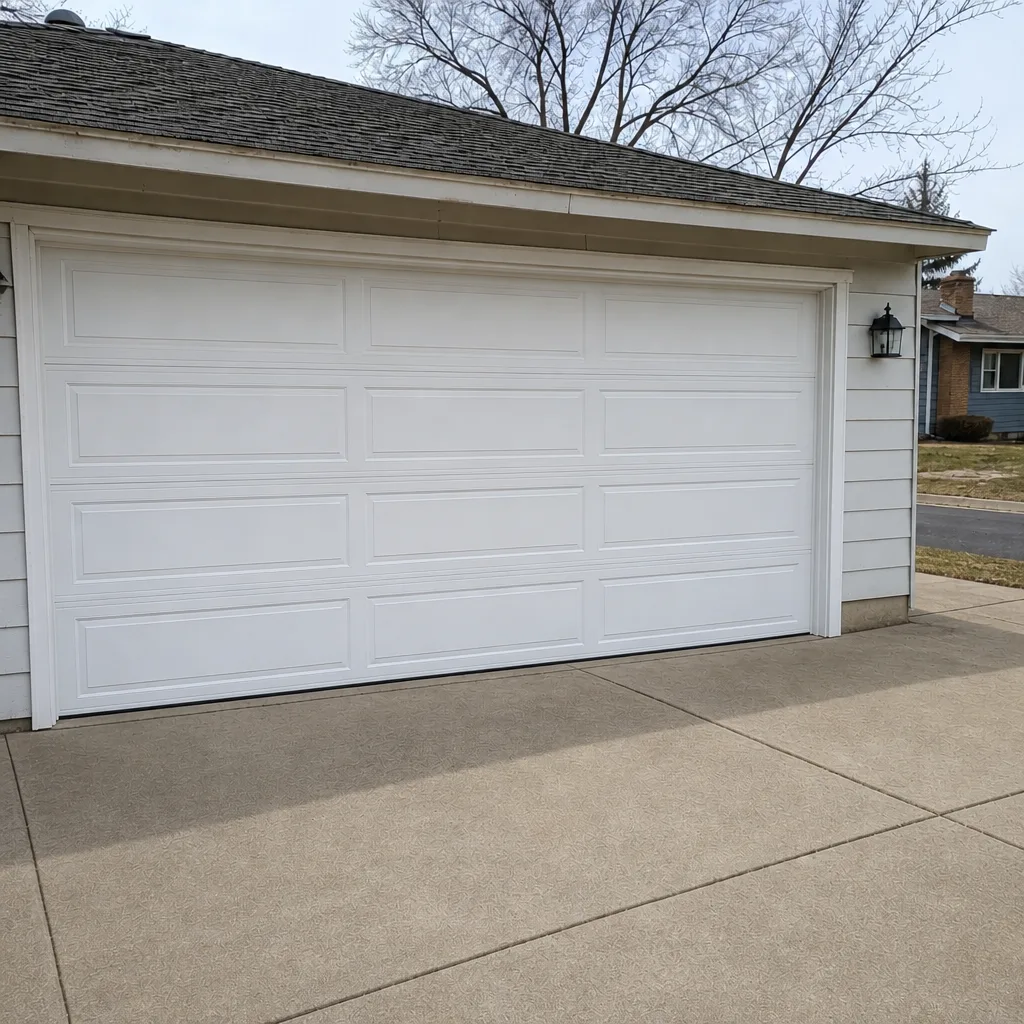 After
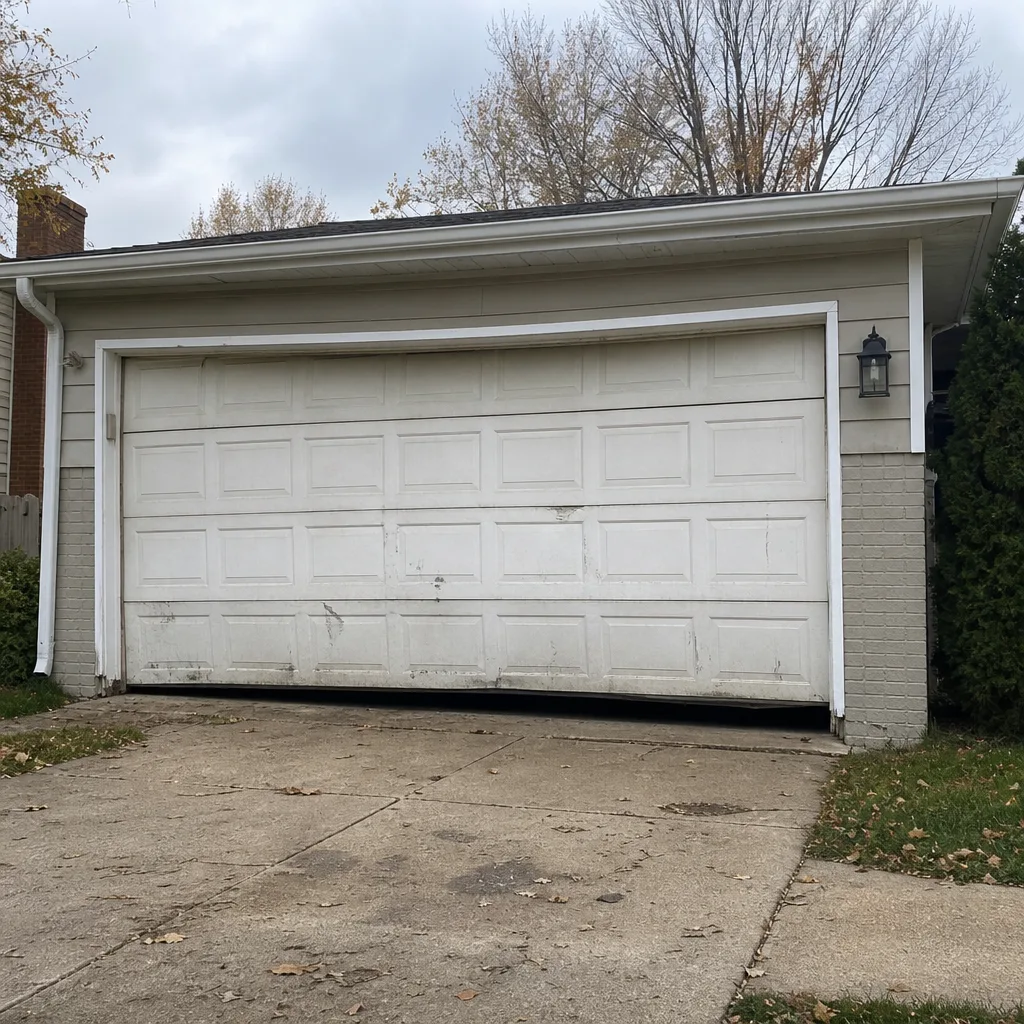 Before
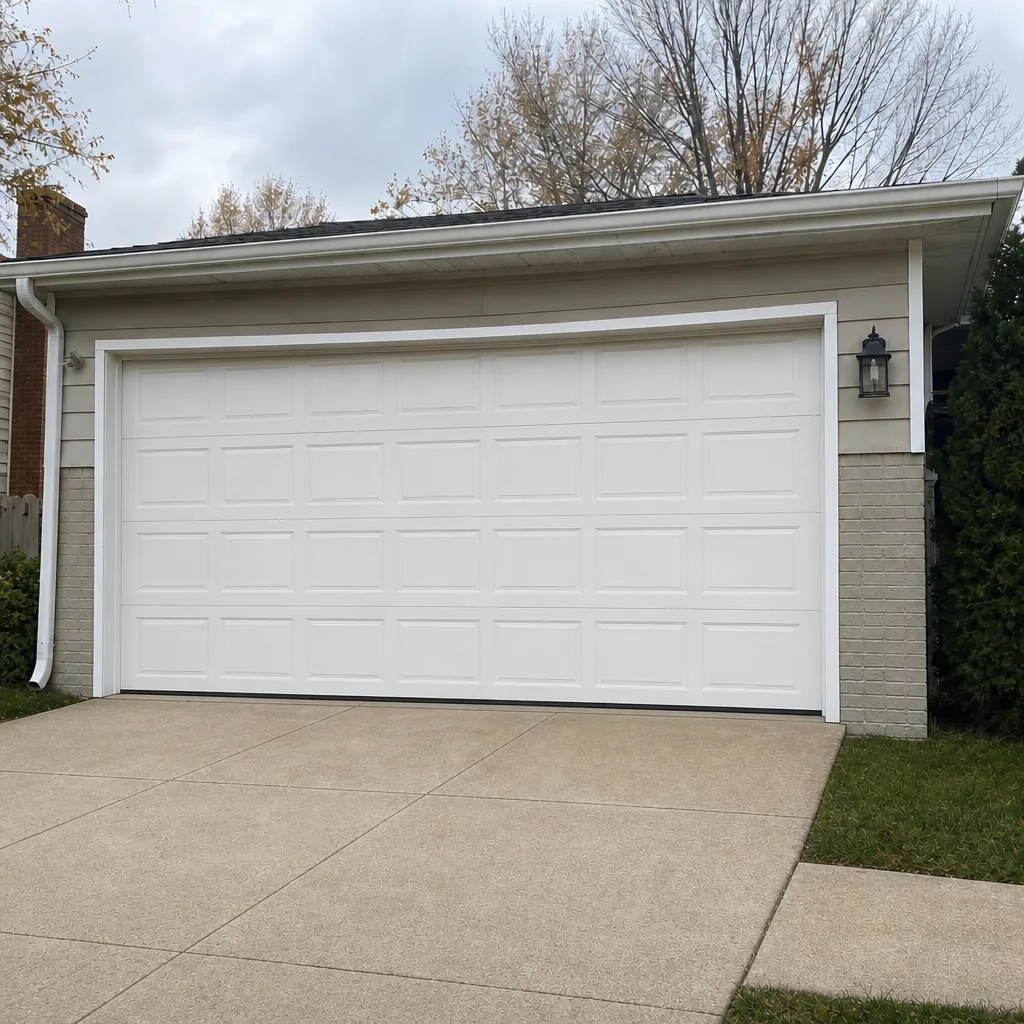 After
When to Call a Professional
Call when any of these are true: the door hangs crooked or one side lags, a cable looks slack or frayed, you hear a bang and the door won’t lift, the door has come off its track, or the opener reverses on its own. Also call if the door feels noticeably heavier than it did a few months ago, or if a new noise has appeared and won’t go away. These are the signs where a small repair now prevents a bigger one later. Garage Door Repair Edina offers free estimates in Edina. Call (855) 658-3994 for a clear diagnosis and a written price before any work begins. We answer 24/7, with fast dispatch from 7am to 7pm, Sunday through Friday.
Frequently Asked Questions
A door that hangs crooked, or a cable that looks slack or frayed, is the most serious because it warns of a failure that can drop the door or injure someone. Stop using the door if you see either. A snapped spring is also a stop-and-call sign. Call (855) 658-3994 for a free estimate, and we’ll tell you what’s safe.
Often yes, if the noise is a squeal or rattle and the door still moves smoothly and level. New grinding, popping, or banging should be checked before you keep using it. Lubrication is a reasonable first step for a squeal, but a new grinding or popping sound needs a technician’s eye. Call (855) 658-3994 if you’re not sure which you have.
A slowly failing spring makes the door feel heavier, strains the opener, and produces popping or creaking over time, while a snapped spring comes with a sharp bang and the door stops lifting. A slow failure is safer to replace because the break hasn’t happened yet. In Edina, act before the first hard freeze. Call (855) 658-3994 for a spring check.
Cold metal contracts, and a track that fits in summer can bind in winter, while a weakened spring feels heavier in the cold. That combination makes one side lag. Get the door checked before the imbalance stresses a cable. Call (855) 658-3994, and we’ll look at the balance and tension.
Spring repair in Edina typically runs in the range of a few hundred dollars for one spring, and a matched pair is usually replaced together at roughly double that. The written estimate sets the final price. Call (855) 658-3994 for an exact quote, and the estimate is free.
No. The price is quoted and agreed before any work starts, and the written estimate sets the final number. If we find something that changes the scope, we’ll explain it and get your agreement before doing the work. Call (855) 658-3994 for a free estimate in Edina.
The Bottom Line
Garage door warning signs almost always come in sequence, and the earlier you act on one, the smaller the repair. New noise is the first signal. Visual asymmetry and a lagging side are the last safe warning before a cable or spring fails. Grinding, popping, squealing, and banging each point to a different part, and knowing which sound matches which component is the difference between a small fix and an emergency call. In Edina, cold winters speed up every weak point, so use the seasonal check and don’t wait for the bang. When a sign points to springs, cables, or a crooked door, stop and call a specialist.
If a warning sign has moved to a failure, garage door installation may be the better long-term answer than repair for a worn-out system, and Garage Door Repair Edina is the call for anything urgent. For a free estimate and a clear diagnosis, call (855) 658-3994. We answer 24/7, with fast dispatch from 7am to 7pm, Sunday through Friday, and we’re closed on Saturday. The price is quoted and agreed before any work starts.
Written by the team at Garage Door Repair Edina.