
Last updated November 22, 2026
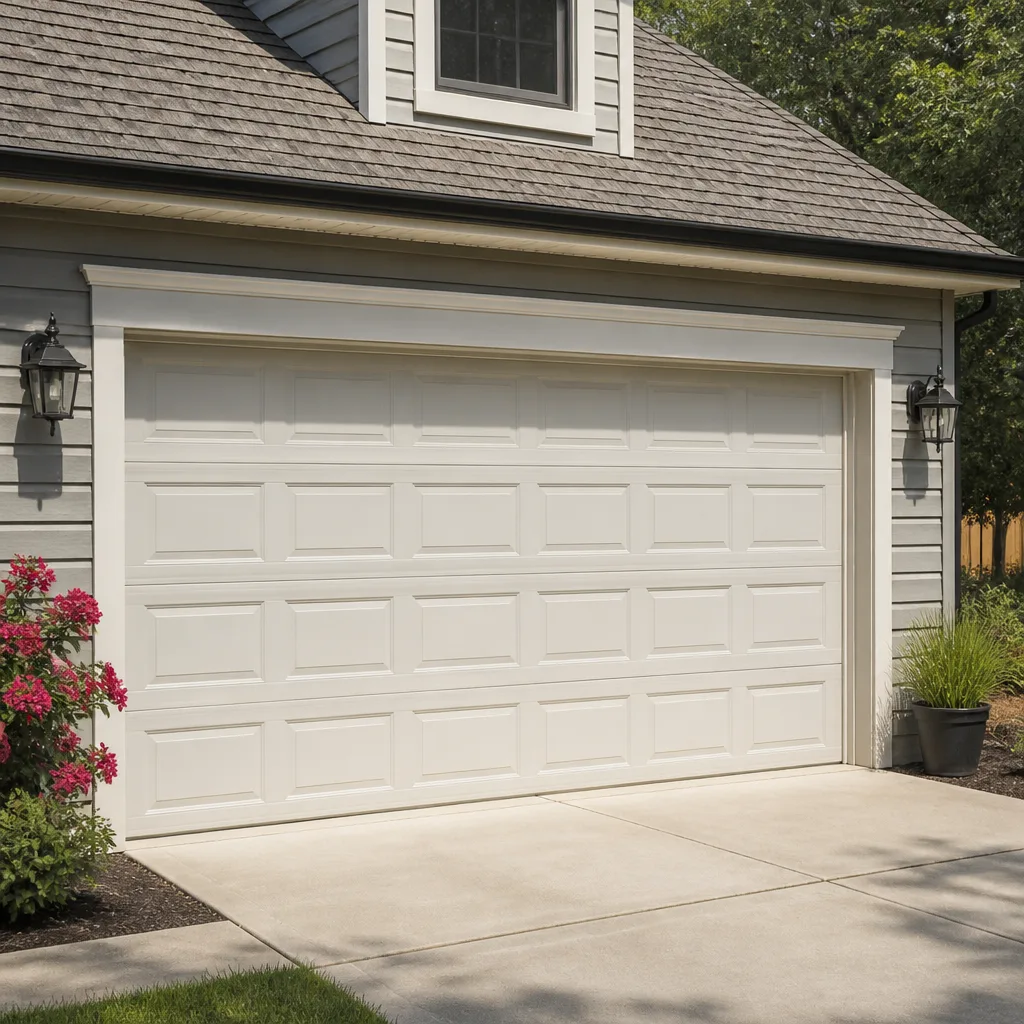 Raised-panel steel
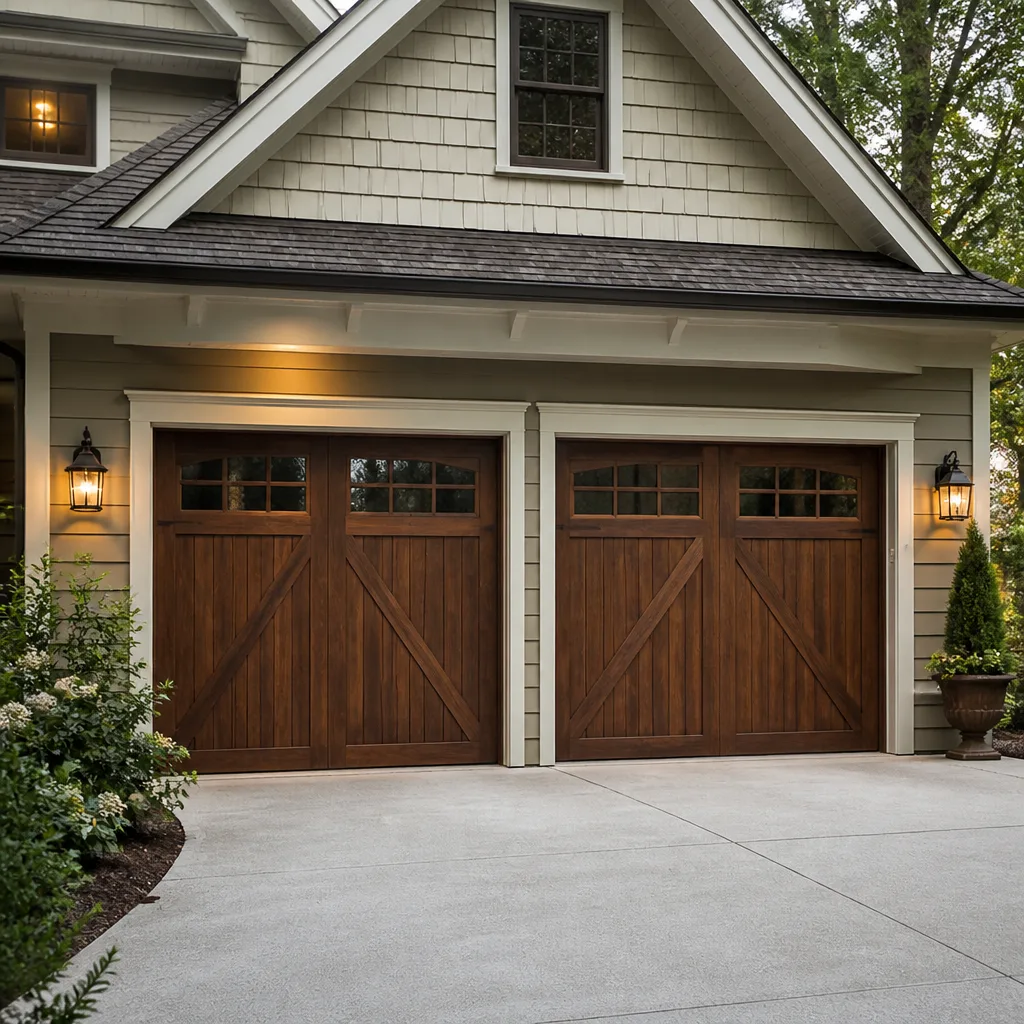 Carriage house
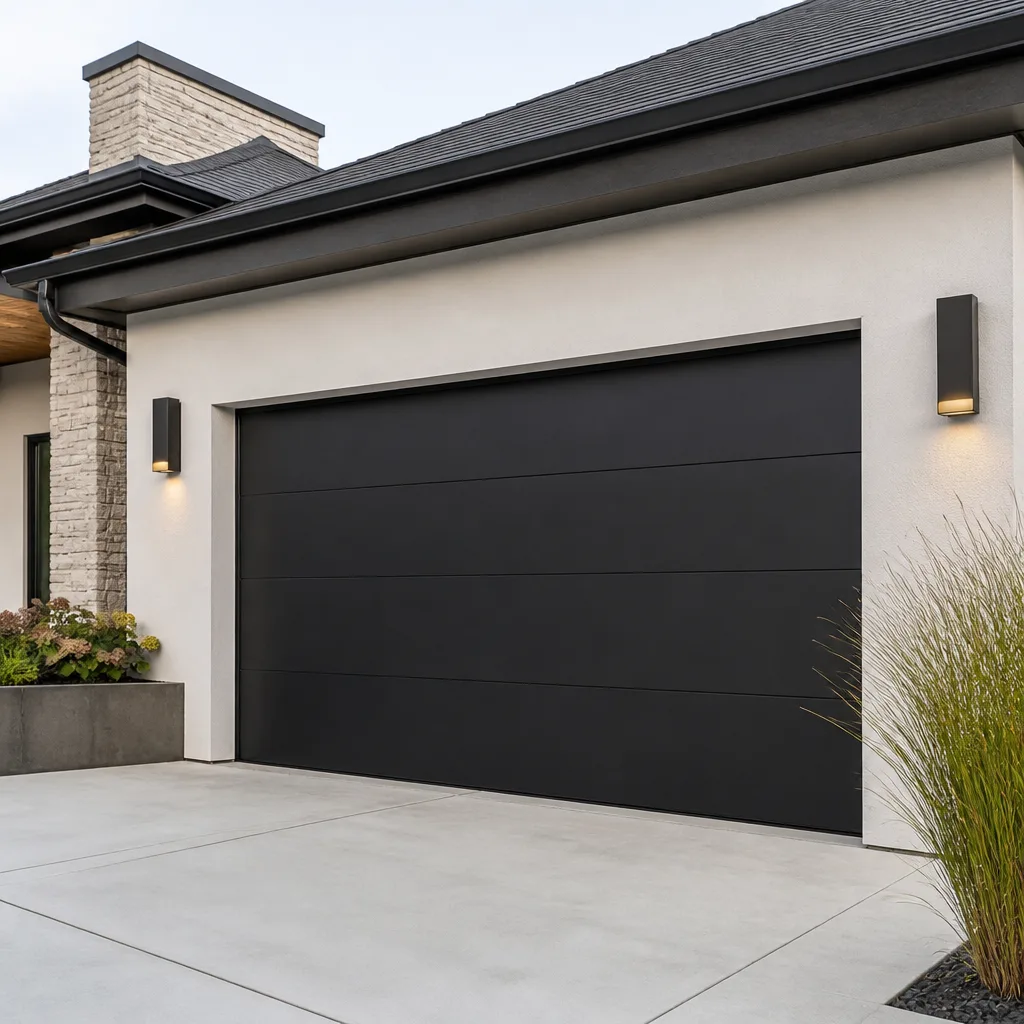 Modern flush
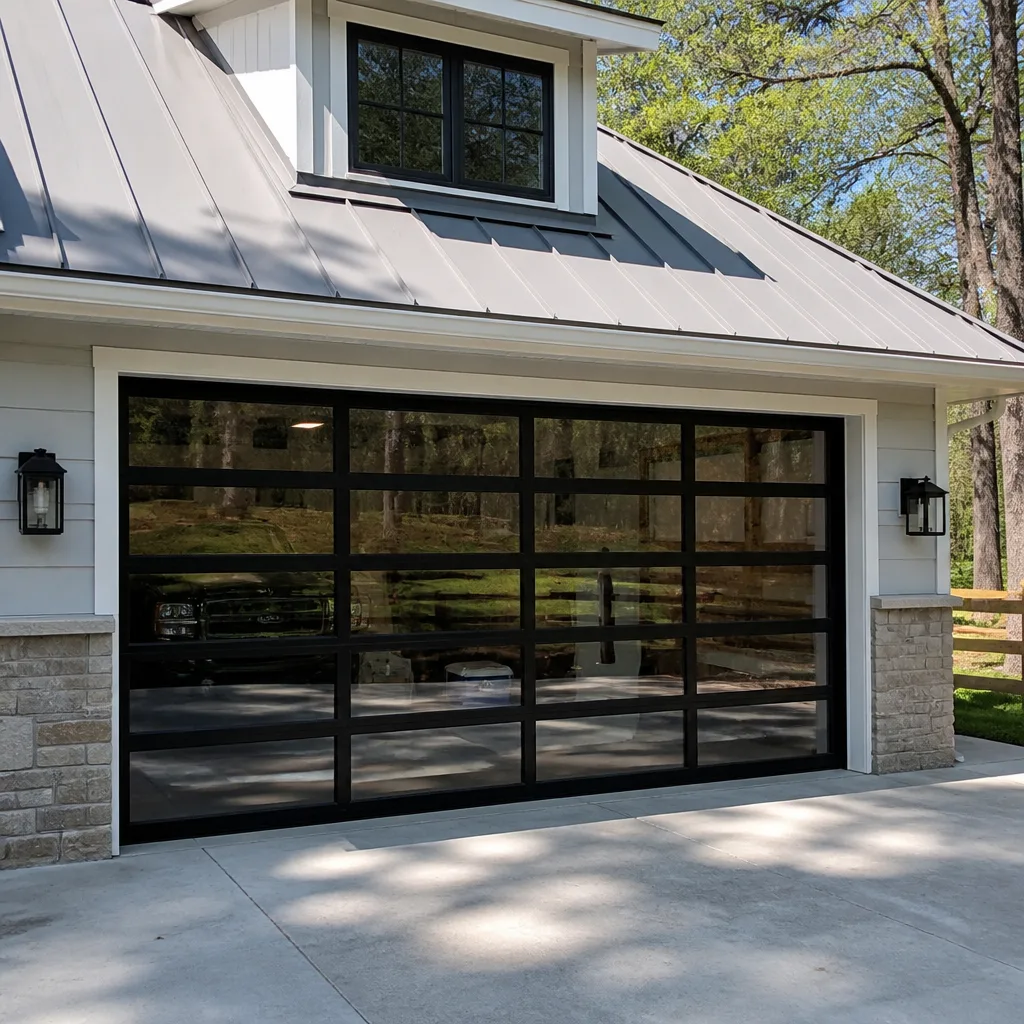 Full-view glass
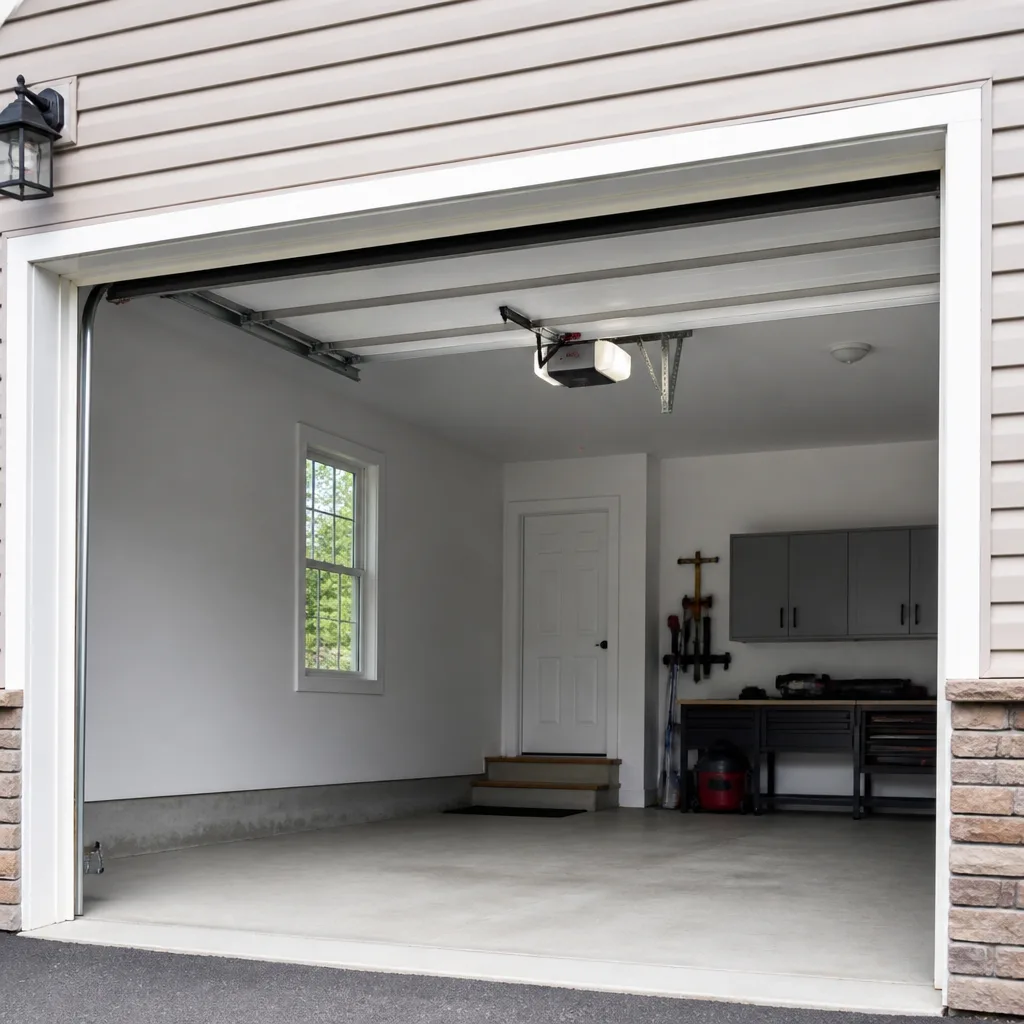 LiftMaster openers
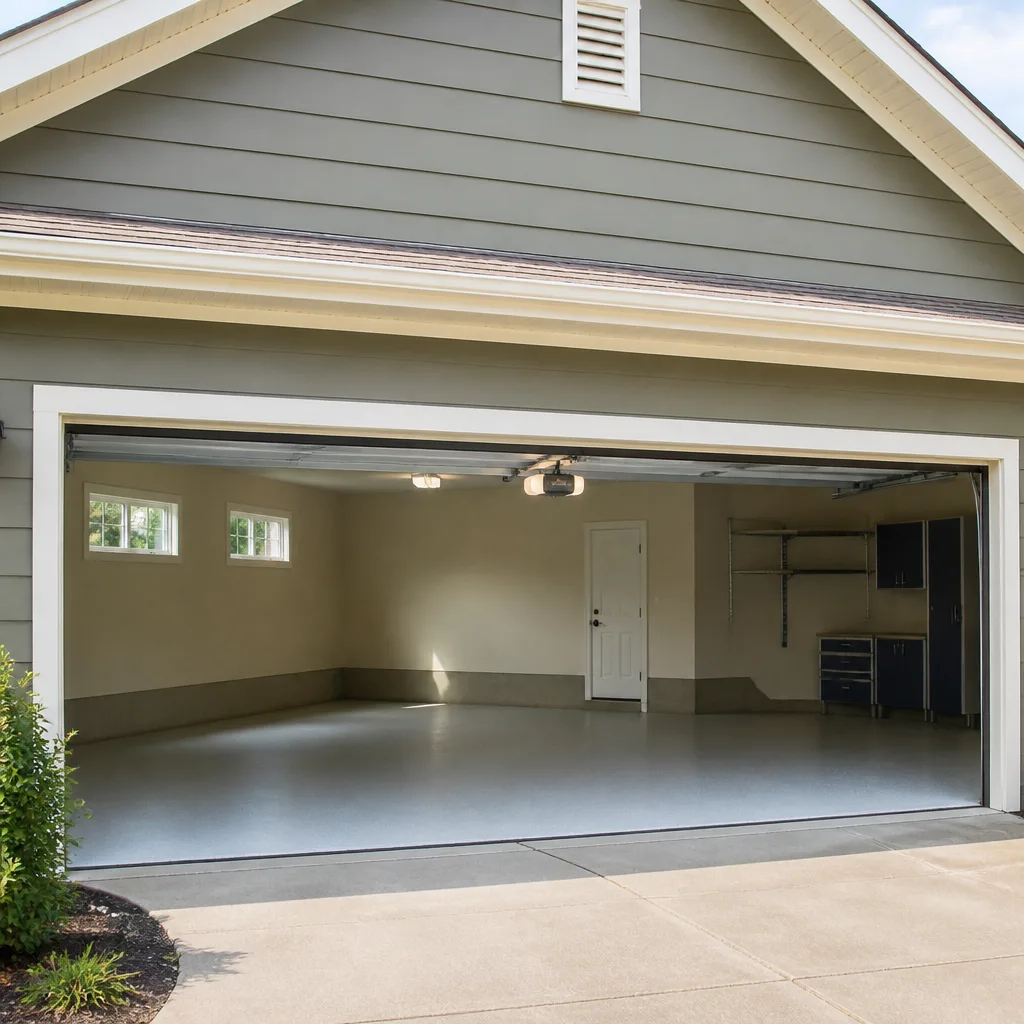 Chamberlain openers
Full 25-point door and opener safety check with every visit - springs, cables, rollers, tracks, and your LiftMaster or Chamberlain opener included
You get a price before we start. It does not change when the pro arrives.
Get your free estimateGarage Door Repair Troubleshooting in Edina: Common Problems and How to Fix Them
A garage door that reverses before closing all the way and a garage door that won’t move at all look like the same problem from the driveway. They have almost nothing in common mechanically. One is usually a sensor or travel-limit issue. The other is usually a spring, a cable, or a dead opener motor. Homeowners in Edina who guess wrong on that distinction either spend a weekend adjusting the wrong part or call a technician for something a two-minute check would have solved. This guide sorts garage door failures into five mechanical categories so you can figure out which one you’re dealing with, what’s genuinely safe to check yourself, and where the line sits between a simple fix and a call to a professional.
Quick Answer
Most garage door problems in Edina come down to one of five causes: a broken torsion or extension spring, a door knocked off its tracks, a misaligned or dirty safety sensor, an opener fault (motor, logic board, or remote), or worn hardware like rollers, hinges, and cables. Springs and cables are never safe to handle yourself – that work needs a trained technician. Sensors, remotes, and visual track checks are fair game for a homeowner. The rest of this guide walks through each category in order.
Styles & brands we work with
- Raised-panel steel
- Carriage house
- Modern flush
- Full-view glass
- LiftMaster openers
- Chamberlain openers
Table of Contents
- Start Here: The Symptom-First Diagnostic Tree
- Opener Fault or Door Fault? The Most Common Misdiagnosis
- Springs and Cables: Why These Are Never a DIY Repair
- How Edina’s Freeze-Thaw Cycles Create Seasonal Failures
- Off-Track Doors, Worn Rollers, and Fraying Cables
- Safety Sensors, Reversing Tests, and the Hidden Failures
- What’s DIY-Safe and What Isn’t
- Repair or Replace? Deciding in Edina’s Market
Start Here: The Symptom-First Diagnostic Tree
Before you call anyone, run through the symptom checklist below. It takes about five minutes and narrows the problem down to a category. This is the single most useful thing a homeowner can do, because it changes the conversation from “my door is broken” to “my door reverses about a foot off the ground and the opener light blinks five times.” That second description gets a technician to the right part faster.
Work through these in order:
- Does the opener motor run when you press the button? If you hear the motor but the door doesn’t move, the problem is mechanical (spring, cable, track, or the door is locked). If you hear nothing, it’s electrical (power, remote, logic board, or safety sensor lockout).
- Is the door balanced? Disconnect the opener using the manual release cord and lift the door halfway by hand. A balanced door stays put. A door that slams down or feels extremely heavy has a spring problem.
- Does the door reverse immediately? This is almost always the safety sensor or the travel limits, not a mechanical failure.
- Is the door visibly off its tracks? Look at the rollers in the curved track above the door. Any roller popped out or track bent out of line means stop using the opener.
- Are there obvious signs of wear? Fraying cables, broken springs with a visible gap, cracked hinges, or rollers that wobble in their stems.
When our technicians in Edina walk through a diagnostic, this is the same order we use. In our experience, roughly half the calls that come in as “the opener is broken” turn out to be a door-side mechanical issue, and a good chunk of the ones that sound like a mechanical failure are actually a sensor or limit setting. Getting the category right first is what separates a fast fix from a return visit.
Opener Fault or Door Fault? The Most Common Misdiagnosis
The most common homeowner error in garage door troubleshooting is blaming the opener for a problem that lives in the door itself. A garage door opener is a relatively small motor doing a big job. When the door is out of balance because of a weakening spring, or when a roller is binding in its track, the opener has to work much harder than it was designed to. It strains, sometimes it stops, and sometimes the logic board shuts the motor down to protect itself. The homeowner sees a dead opener. The actual failure is 8 feet above it.
Here’s how to tell the difference before you spend money on the wrong repair:
- Listen to the motor. A healthy opener hums at a steady pitch. A strained one changes pitch, grinds, or clicks and stops. Grinding usually means the door or the rail, not the motor.
- Test the door by hand. Pull the manual release and lift. If it’s heavy or won’t stay up halfway, the door is the problem regardless of what the opener does.
- Check the opener lights and error codes. Many modern openers from LiftMaster and Chamberlain blink in patterns that indicate a specific fault (sensor obstruction, travel limit, or force adjustment). The manual or the manufacturer’s code chart tells you which.
- Try a second remote or the wall button. If the wall button works and the remote doesn’t, the opener is fine and you have a remote or receiver issue. If neither works, the problem is more likely wiring or the logic board.
- Watch the door through a full cycle. If it moves smoothly for a few feet and then stops hard, that’s often a force-limit setting tripping because something in the door is binding.
Openers from Genie, Chamberlain, LiftMaster, and Craftsman all have their own quirks and fault codes. We work on all of them, along with the doors themselves from Clopay, Amarr, Wayne Dalton, and Raynor. When a homeowner tells us the brand up front, we can often tell them over the phone whether their symptom points to the opener or the door before anyone gets in a vehicle. If you’re fairly sure the opener is the culprit, garage door opener repair covers the specific failure modes for each major brand.
Springs and Cables: Why These Are Never a DIY Repair
Garage door springs hold the entire weight of the door – commonly 130 to 250 pounds on a standard single-car door, more for double doors and insulated models. The spring is what makes the door feel light enough to lift by hand. When a torsion spring breaks, it releases all of that stored energy at once. When a cable snaps, the tension goes somewhere. That somewhere is usually the nearest solid object, and if you’re standing in the wrong place, it’s you.
We want to be direct about this because it’s the one category of garage door repair that carries genuine injury risk to someone without training and the right tools.
- Torsion springs are mounted on a shaft above the door and must be wound with two steel rods to a specific number of turns. The rods can slip under tension. This is the repair most often attempted by confident homeowners and the one that most often goes badly.
- Extension springs run along the horizontal tracks and stretch under load. They require safety cables through the center because a failed extension spring whips freely. If your door has extension springs without safety cables, that’s worth addressing even if nothing has broken yet.
- Cables are under constant tension and hold the door level. A frayed cable means the strands are breaking one at a time. It can fail without notice, and when it does the door can drop or twist off its tracks.
Spring repair is a standalone service for us, not a job we hand off. We treat it as one of the most technically demanding repairs in the trade, and we do it in-house because it needs to be done right the first time. A broken spring is also often a signal to look at the whole system – if one spring in a matched pair has failed, the second one is usually close behind, and replacing both together is the standard approach. If you’re seeing the door get heavier or hearing a loud bang from the garage, call a professional. Spring work is not something to learn from a video on a Sunday afternoon. For more on how that service runs, see garage door repair.
How Edina’s Freeze-Thaw Cycles Create Seasonal Failures
Edina sits in a climate with wide temperature swings – subzero nights and stretches in the 30s and 40s through winter, then rapid warming in spring. That cycle is hard on garage doors in ways that don’t show up in generic national troubleshooting guides, which tend to describe the door as if it lives in a stable 70-degree environment.
Here’s what actually changes with the seasons in Edina:
- Metal contracts in cold. Tracks, hinges, and rollers all shrink slightly when temperatures drop. A door that ran perfectly at 60 degrees can bind or pop a roller in single-digit cold. This is why “it worked fine yesterday” is a common report in January and February.
- Lubricant stiffens. Grease on hinges, rollers, and the torsion shaft thickens in cold. Choose a lubricant rated for cold weather, and apply it sparingly – excess grease attracts grit.
- Ice and snow build up at the threshold. A drift of snow or a sheet of ice under the door blocks the close cycle. The door reverses, or the bottom seal gets chewed up. Clearing the threshold before you run the door is a small habit that prevents a lot of damage.
- Freeze-thaw moves concrete and frames. The slab the door sits on can heave slightly, and the frame around the opening can shift. A door that suddenly catches on one side in spring is often a threshold or frame issue, not a broken part.
- Springs work harder in winter. Cold makes the metal in the spring less pliable. A spring already near the end of its life is more likely to break in a cold snap than in July. That’s one reason spring failures cluster in the winter months here.
A basic seasonal routine helps: lubricate the moving parts before winter sets in, clear the threshold after every significant snowfall, and give the door a quick visual check when the season turns. Those three habits prevent a surprising percentage of the emergency calls we get in Edina between November and April. If a door that ran fine last week suddenly won’t close all the way, cold-related binding is a good first suspect.
Off-Track Doors, Worn Rollers, and Fraying Cables
An off-track door looks dramatic. A roller has popped out of the curved track above the door, or a section has jumped the rail, and the door is sitting crooked. The first instinct is to push it back. Don’t. If the door is off its tracks, the opener should stay off until a technician has assessed it, because running the motor can bend panels, tear hinges, or bring the door down hard.
The less dramatic problem is worn hardware – the parts that don’t fail loudly until they do. Our technicians see this constantly on older Edina homes, where the door has been running on original rollers for a long time.
- Rollers. Steel rollers go flat and start sliding rather than rolling. Nylon rollers crack with age. Worn rollers make the door noisy and put strain on the opener. They’re inexpensive parts, but there are ten of them on a standard door and they all wear together.
- Hinges. The hinges between door sections take the flex cycle every time the door opens. Cracked hinges cause binding and, in the worst case, a section that separates.
- Cables. Fraying is the warning sign. Run your eyes (not your hands) along each cable and look for broken strands, especially near the bottom bracket and at the drum. A fraying cable is a call-now item, not a next-month item.
- Bottom brackets. The bracket holding the cable at the bottom corner of the door is under cable tension. If it looks bent or the cable is pulling out of it, stop using the door.
- Panel condition. Dents, cracks, and separation between panels can be cosmetic or structural. A cracked or rotting bottom panel on a Clopay or Amarr door often means replacement, not repair.
If a door has come off its tracks, the right move is to leave it where it is and call for service. If you’re reading this because that’s exactly what happened, Garage Door Repair Edina handles emergency calls and can help you decide whether the door is repairable or needs to be replaced.
Safety Sensors, Reversing Tests, and the Hidden Failures
The two safety sensors sit six inches off the floor on either side of the door, one sending an invisible beam and the other receiving it. If the beam is interrupted – by a child, a pet, a garbage can, a snow drift, or just accumulated dust – the door won’t close. It will reverse, or it won’t move at all. This is a safety feature and it’s why “the door won’t close” is such a common call, especially in winter when snow piles up near the threshold.
Sensor checks you can do yourself in a couple of minutes:
- Look at the LEDs on both sensors. Most models have one that indicates power and one that indicates alignment. If the receiving sensor’s light is off or blinking, the alignment is off or the lens is dirty.
- Wipe both lenses with a dry cloth. Dust, spider webs, and road grime build up on them.
- Check for obstructions in the beam path – including a leaf, a snow drift, or a piece of lawn equipment stored in the wrong spot.
- If the sensor brackets are loose or knocked out of line, gently adjust them until the indicator light is solid.
- Run the reversing test: lay a roll of paper towels or a 2×4 flat on the floor under the closing door. The door should reverse on contact. If it doesn’t, that’s a safety issue that needs attention even if the door otherwise works.
The hidden failure mode is a door that passes the eye test but isn’t safe. A door can close smoothly while a cable is fraying, a roller is cracked, or a spring is near failure. The reversing test and the manual release test are the two routine checks that catch most of those. If either one fails, a professional should look at it before the door goes back into daily use. The other hidden failure is the photo-eye system on older openers failing silently – if your door doesn’t reverse when it should, take it out of service until someone checks it. If the sensor issue turns out to be part of a bigger opener problem, garage door opener repair walks through the rest.
What’s DIY-Safe and What Isn’t
The line here is genuinely clear. Some garage door checks and small fixes are safe and worth doing yourself. Others carry real injury risk and should be left to a trained technician. Here’s how we’d sort them, and this ordering matters more than any specific brand or part.
Safe to check or do yourself
- Wipe the safety sensor lenses and check alignment.
- Test the reversing feature with a roll of paper towels or a 2×4.
- Replace remote batteries and re-pair a remote to the opener.
- Lubricate hinges, rollers, and the torsion shaft with a cold-rated garage door lubricant.
- Clear snow, ice, and debris from the threshold.
- Run the manual release and check balance by hand.
- Tighten visible bolts on the hinges and tracks with a hand tool.
- Read the opener’s error code and look it up in the manual.
Not safe – call a technician
- Anything involving the torsion spring or extension springs.
- Replacing or adjusting cables, drums, or bottom brackets.
- Straightening a bent track or re-seating a door that’s come off its tracks.
- Adjusting the opener’s force limits on a door that is out of balance (fix the door first).
- Any repair where the door is visibly crooked after the adjustment.
Our technicians have up to 10 years of experience, and spring and cable work is where that experience pays for itself. We also handle the full range of residential service, so if the opener or the door turns out to need a bigger job, we’re not going to hand you off. If a door has reached the end of its life, garage door installation covers what that replacement looks like from measurement through the final adjustment.
Repair or Replace? Deciding in Edina’s Market
The repair-versus-replace question comes up most on older Edina homes, where the door is original to the house or at least long past the manufacturer’s expected life. A few practical guidelines help with the decision.
- Repair when the door is structurally sound, the panels are intact, and the failure is a single component – a spring, an opener, a sensor, a roller set.
- Repair when the door is a good brand that’s still supported, like Clopay, Amarr, Wayne Dalton, or Raynor. Parts and panels are usually available.
- Consider replacement when a bottom panel is rotting, a section is badly dented, or several panels are separating. Cosmetic problems that affect structure usually mean replacement.
- Consider replacement when the door is unsafe to operate – a bent track that keeps re-bending, a warped panel that catches on the frame, or hardware that has been repaired repeatedly.
- Consider replacement when a homeowner wants a quieter insulated door or a different style. That’s a preference decision, not a repair one.
In Edina, replacement is also a good moment to upgrade insulation, because a well-sealed door is part of keeping the garage warmer in winter and cooler in summer. We don’t sell a particular brand exclusively – we work with all the major manufacturers – so the recommendation is based on the door you actually have, not on what’s easiest to source. The written estimate is what sets the price, and it’s agreed before any work starts.
Common Mistakes to Avoid
- Running the opener on an off-track door. The motor doesn’t know the door is crooked. Running it can bend panels and turn a repairable situation into a replacement.
- Adjusting the force limits to force a poorly balanced door closed. This is the single most dangerous shortcut in garage door troubleshooting. If the door is heavy, the spring or balance is the problem, not the force setting.
- Handling torsion springs yourself. A wound torsion spring stores enough energy to cause serious injury. Every spring repair we do is treated as a safety-critical job, and it should be.
- Ignoring a frayed cable because the door still works. Fraying cables fail without warning, and when they do, the door can drop or leave its tracks. If you see broken strands, stop using the door and call.
- Blaming the opener for every failure. A strained opener is often a symptom of a door that’s out of balance or a roller set that’s binding. Fix the door before you replace the opener.
- Skipping the reversing test. It’s the one routine check that catches a door that’s about to fail in a way that could hurt someone. Run it once a month.
- Letting snow and ice build up at the threshold in Edina winters. A blocked threshold is the most common cause of a “won’t close” call in January. Clear it before you run the door.
See the difference
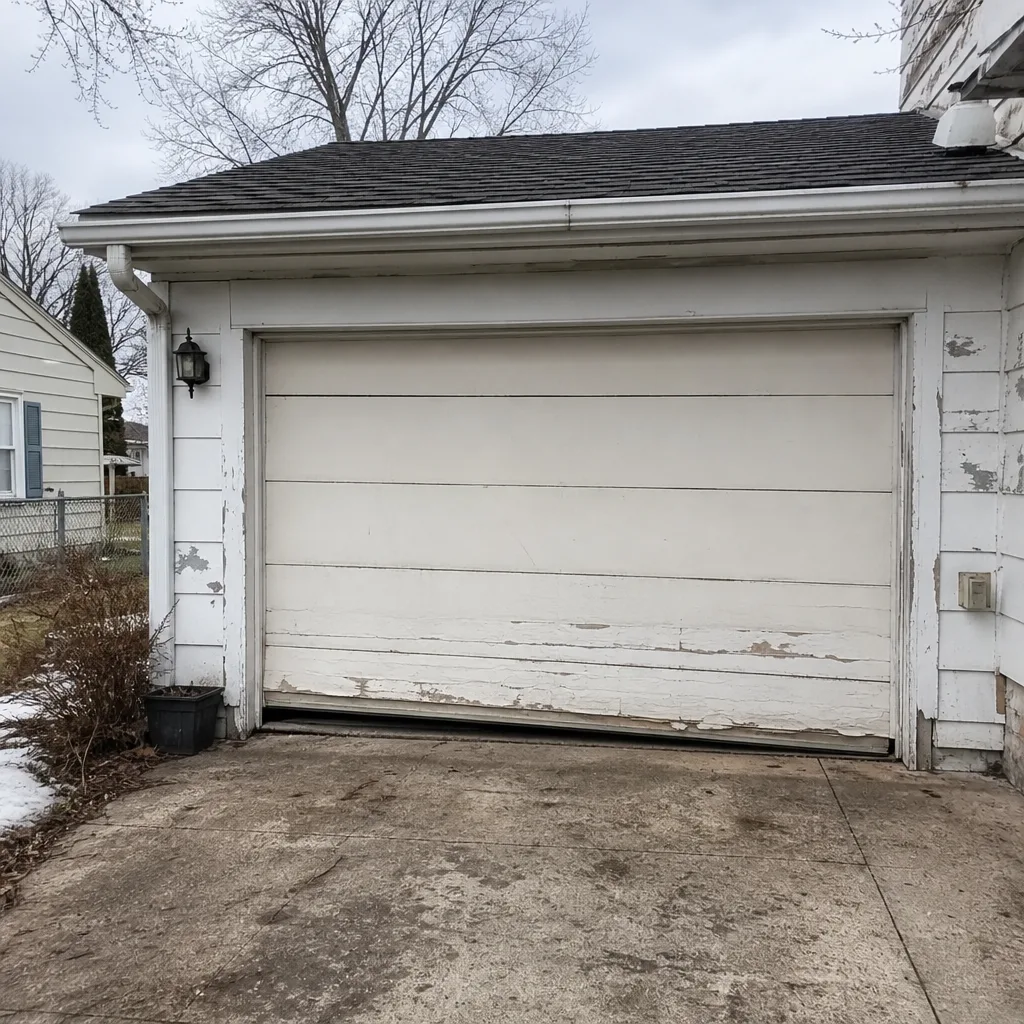 Before
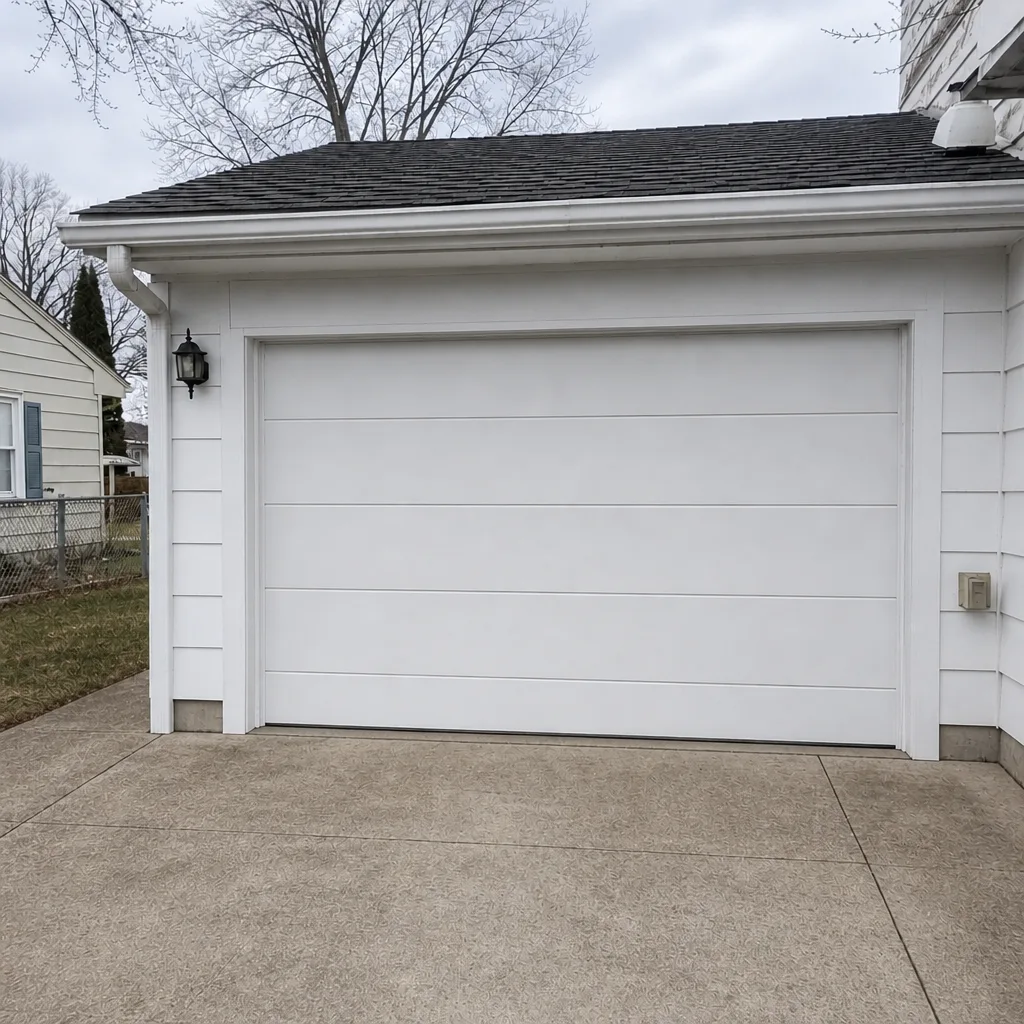 After
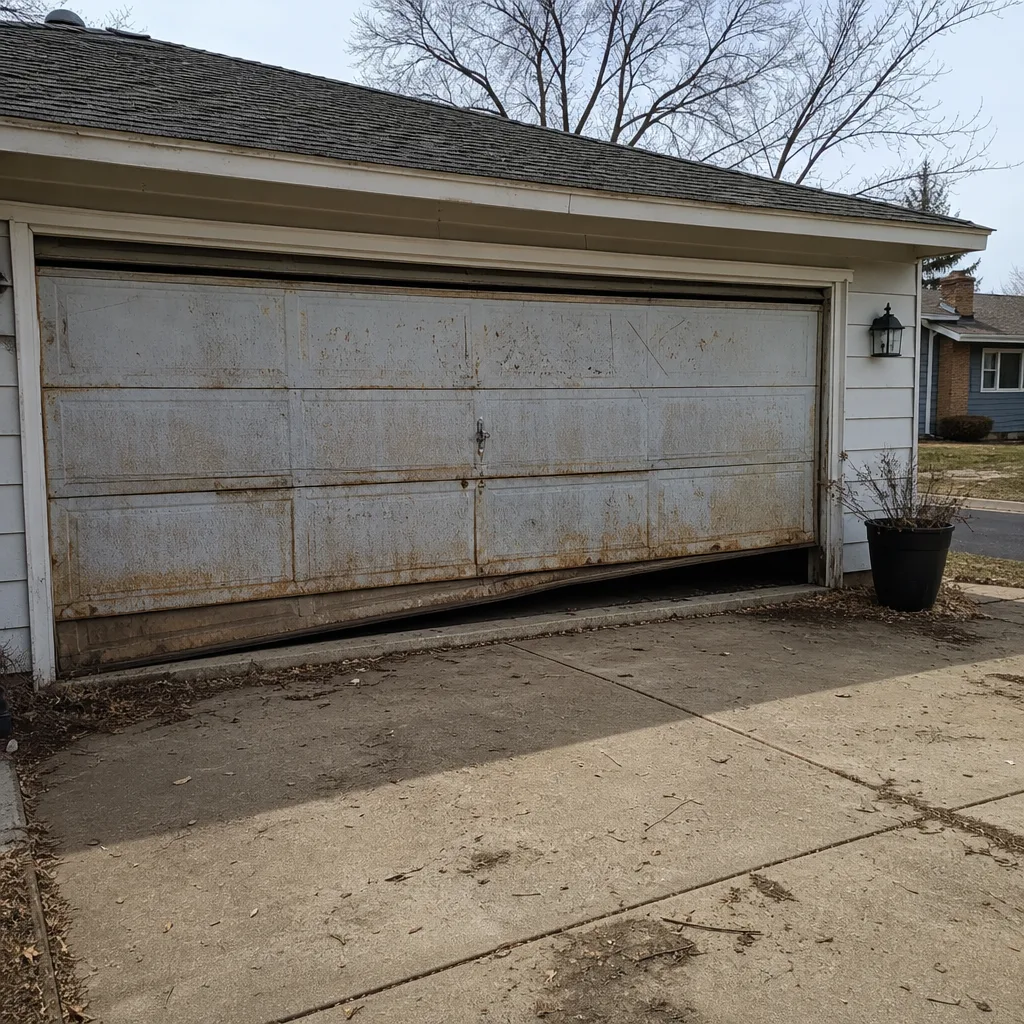 Before
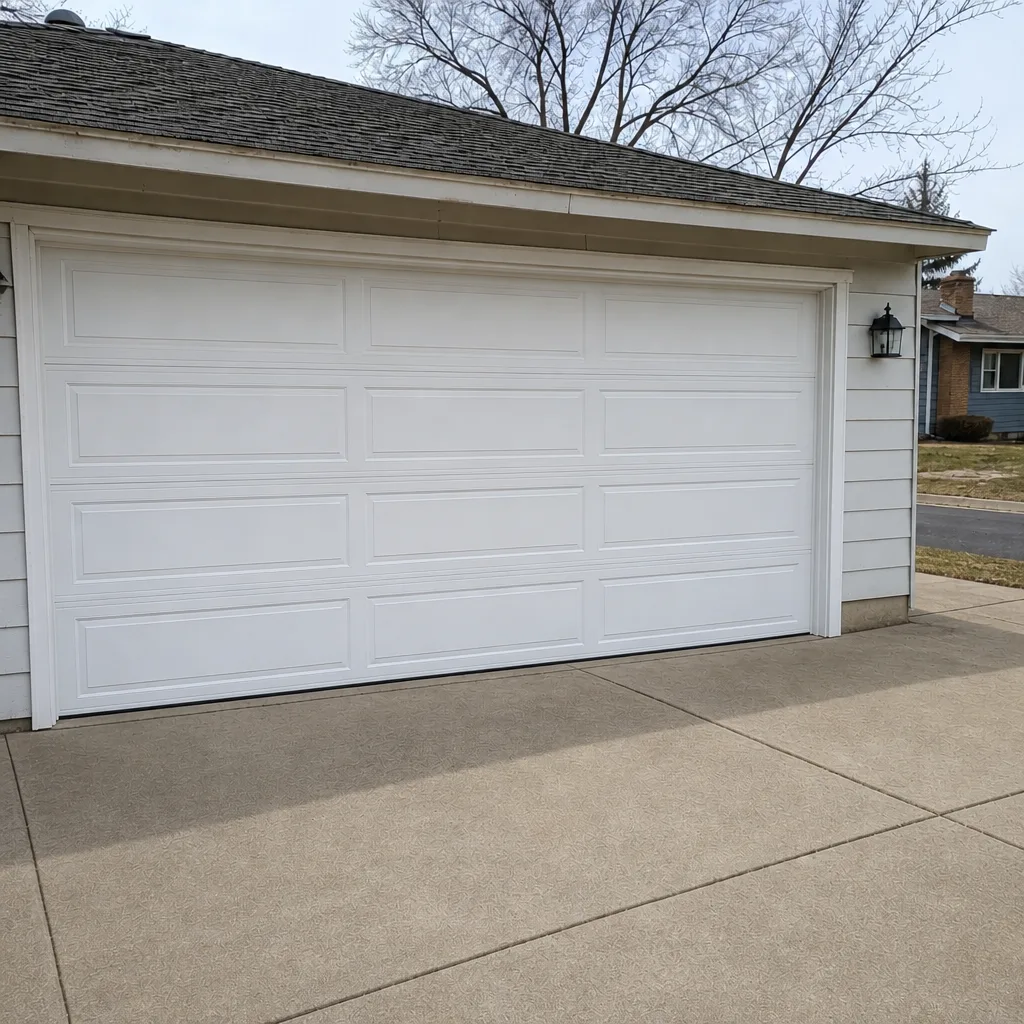 After
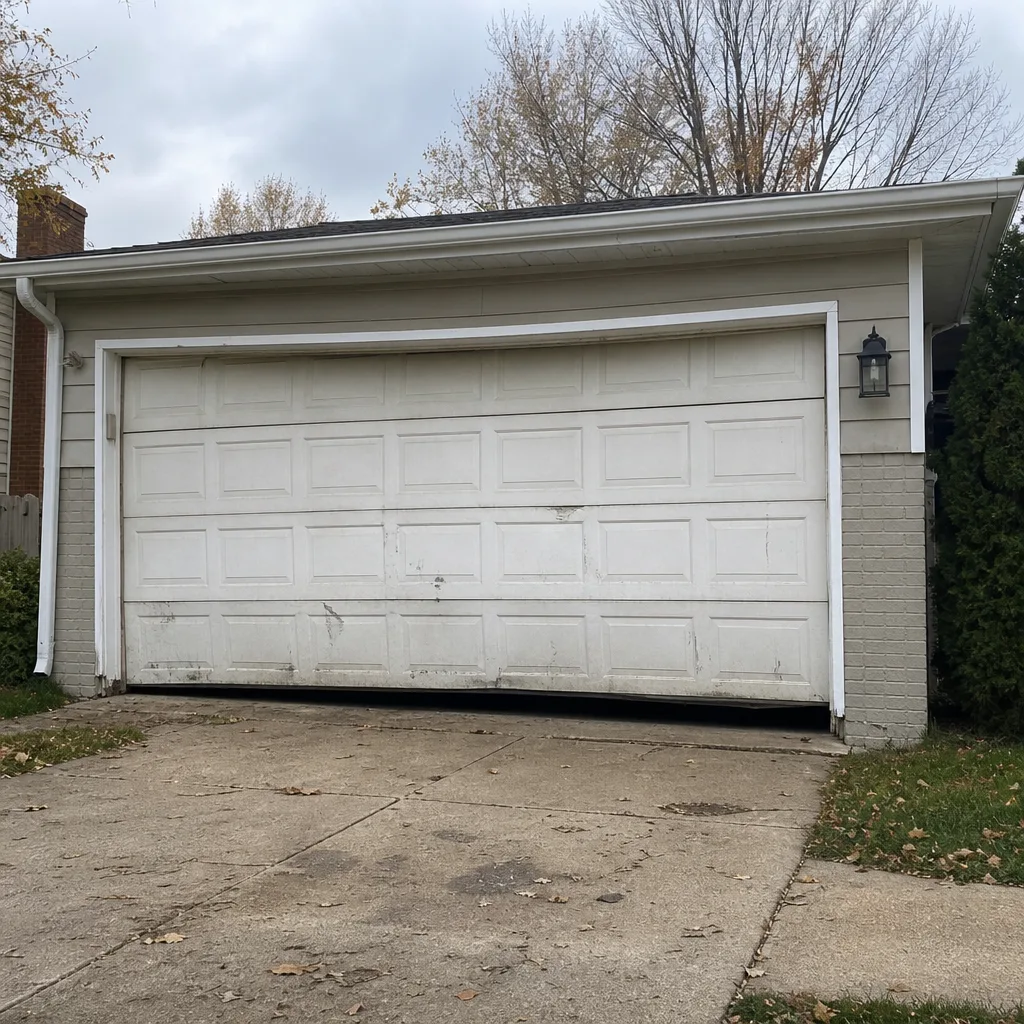 Before
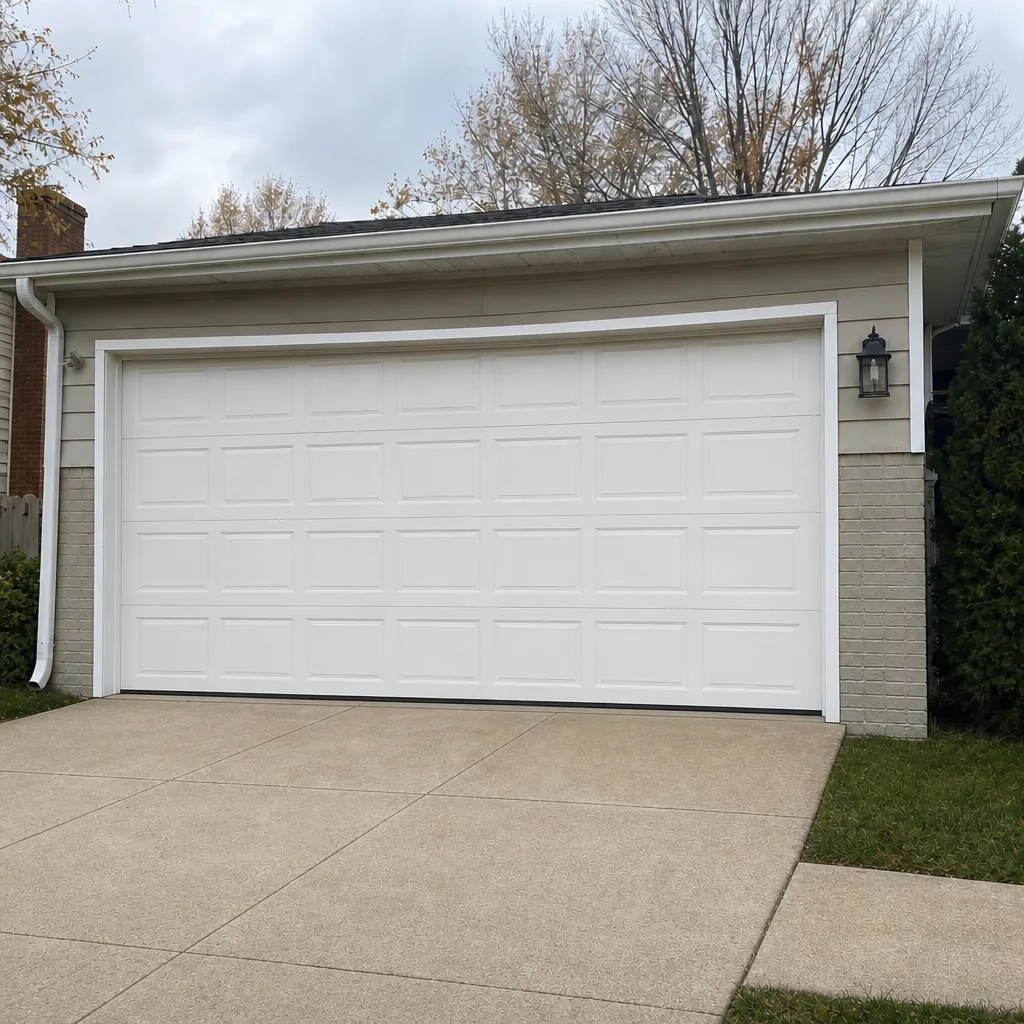 After
When to Call a Professional
Call for help when any of the following is true: a spring is broken or the door has become too heavy to lift; a cable is frayed, visibly kinked, or pulling out of a bracket; the door is off its tracks or sitting crooked; the opener runs but the door doesn’t move; the door reverses or won’t close and the sensor checks haven’t resolved it; a panel or hinge is cracked or separating; or the door failed the reversing test. Those are the cases where continuing to use the door can turn a single-part repair into a much bigger job. Everything else – sensors, remotes, lubrication, a basic visual check – you can reasonably handle yourself. Garage Door Repair Edina offers free estimates in Edina. Call (855) 658-3994 to talk through your symptom with someone who works on garage doors every day.
Frequently Asked Questions
Spring repair pricing depends on the type and size of the spring, whether it’s one spring or a matched pair, and whether the job is torsion or extension. A matched pair is usually replaced together, so expect the pair to cost roughly twice a single spring. The free written estimate is what sets the final price, and you’ll know that number before any work starts. Call (855) 658-3994 for an exact quote – estimates are free.
Most of the time it’s the safety sensors. The beam between the two sensors is interrupted by dust, a misaligned bracket, a leaf, or a snow drift at the threshold, and the opener reverses to avoid crushing whatever’s in the way. Check that both sensor indicator lights are solid, wipe the lenses, and clear the threshold. If that doesn’t fix it, the travel limit or force setting on the opener needs adjustment, which is a quick technician visit.
Yes. A door stuck open is an emergency – it leaves the house exposed and the door’s weight is held by hardware that may be failing. We offer emergency garage door service and same-day appointments for exactly this situation. Call (855) 658-3994. We answer 24/7. Fast dispatch from 7am to 7pm, Sunday through Friday.
An opener problem lives in the motor, the logic board, the remote, or the safety sensor system. A door problem lives in the springs, cables, tracks, rollers, or panels. The quickest way to tell them apart is the manual release test: pull the release cord and lift the door by hand. If it’s heavy or won’t stay up halfway, the door is the problem and the opener is only the messenger.
No. Torsion springs are wound to high tension and require two steel rods and a specific number of turns. A slip under load can cause serious injury. Extension springs, even with safety cables, also carry enough stored energy to be dangerous. Spring replacement is a job for a trained technician, and it’s one we do in-house because it’s a safety-critical repair. Call (855) 658-3994 for a free estimate.
No, not without your agreement. We look at the problem, explain what we found, and give you a written estimate. The price is quoted and agreed before any work starts, and the written estimate is what sets the final price. If a spring replacement turns out to need a matched pair, or if a cable failure turns out to be part of a larger repair, we’ll tell you before we touch anything, not after. Call (855) 658-3994 for an exact quote – estimates are free.
The Bottom Line
Garage door troubleshooting starts with the right category, not the right part. Springs and cables carry real injury risk and always need a technician. Off-track doors need the opener left off until someone looks at them. Sensors, remotes, lubrication, and a basic visual check are the safe DIY zone. In Edina, cold snaps and freeze-thaw cycles put extra strain on springs and tracks, so a seasonal routine goes a long way. And a door that looks fine can still be one worn cable away from failing – run the reversing test and use the manual release test when something feels off. If the diagnosis points to a spring, cable, or track, call a professional.
Garage Door Repair Edina is a garage door specialist – every technician, every tool, and every part is focused on the door and opener system, not split across plumbing, HVAC, or general contracting. We service LiftMaster, Chamberlain, Genie, Clopay, Amarr, Wayne Dalton, Craftsman, and Raynor, so we work on the brand you have. Same-day and emergency service is available, and spring repair is done in-house. Estimates are free. Call (855) 658-3994. We answer 24/7. Fast dispatch from 7am to 7pm, Sunday through Friday, so we can get someone out to your garage tomorrow morning.
Written by the team at Garage Door Repair Edina.