
Last updated November 22, 2026
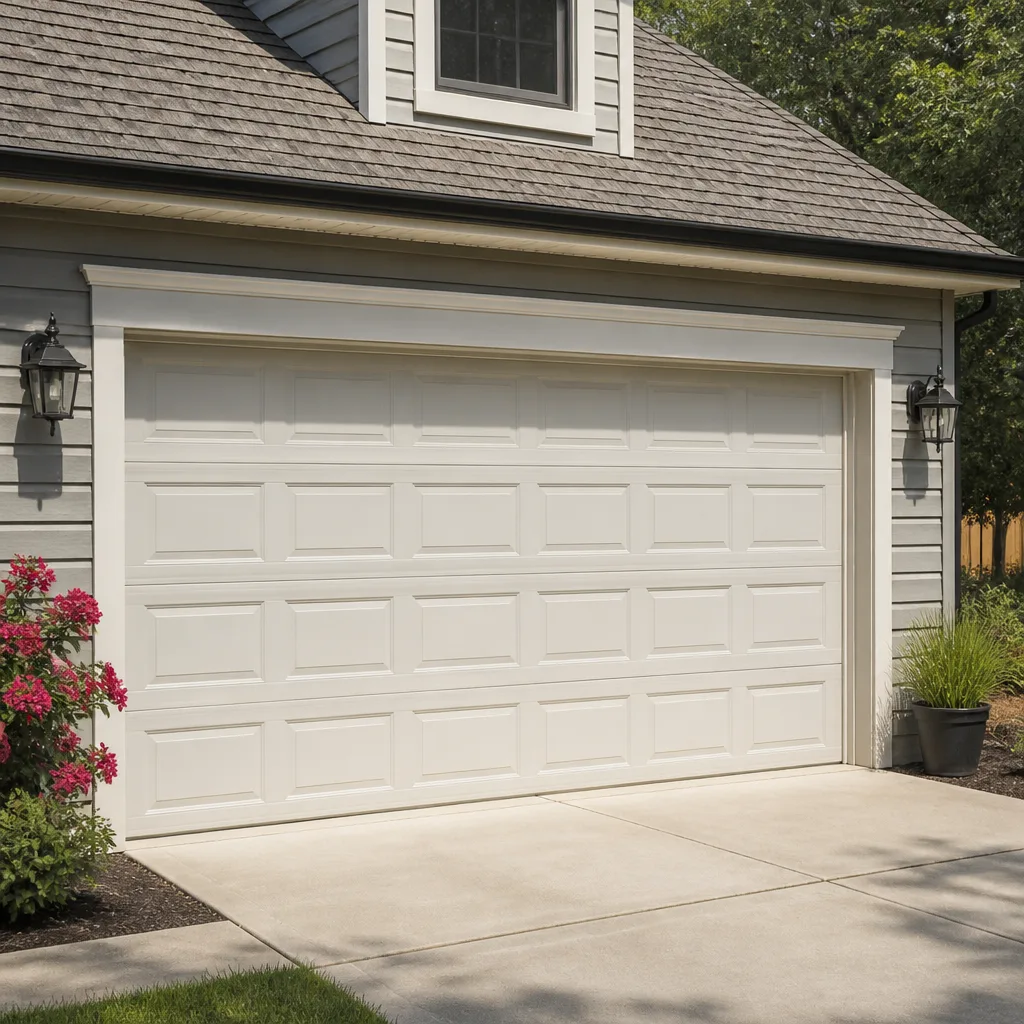 Raised-panel steel
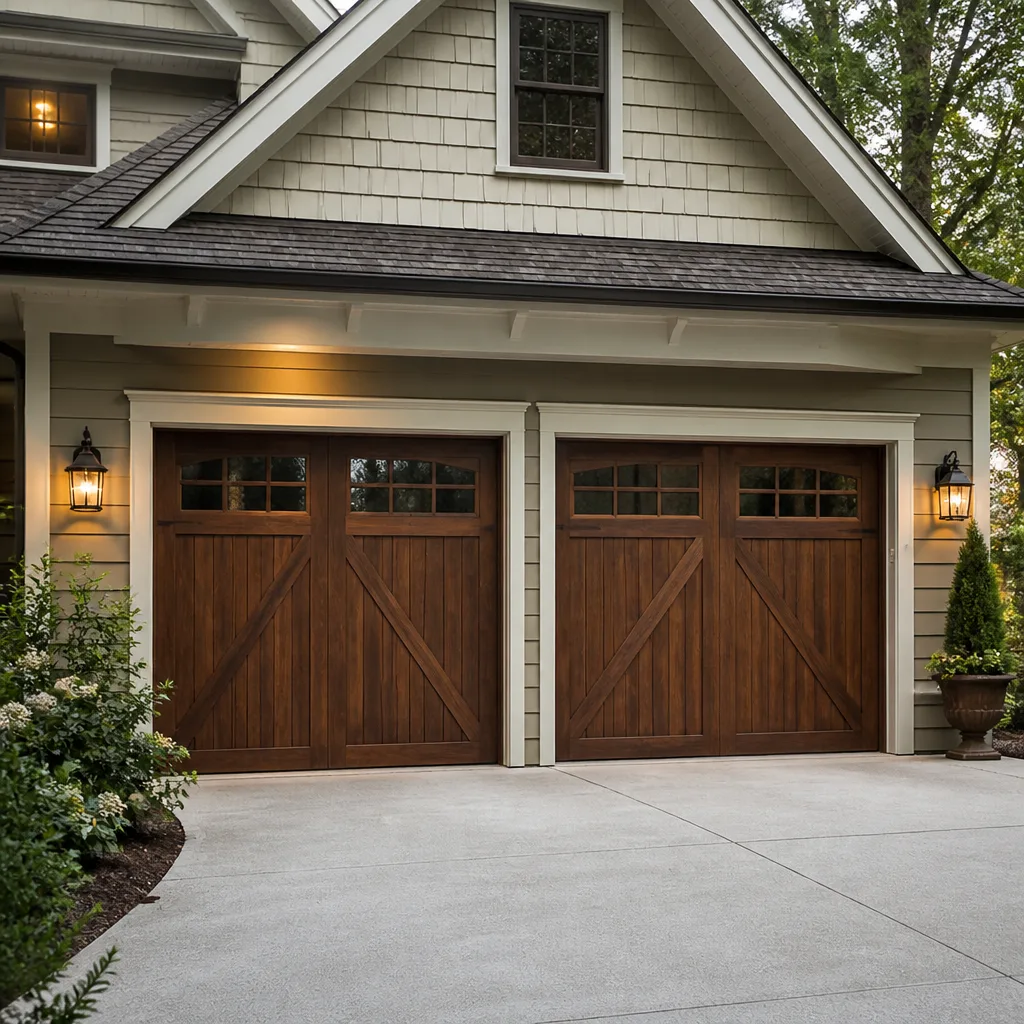 Carriage house
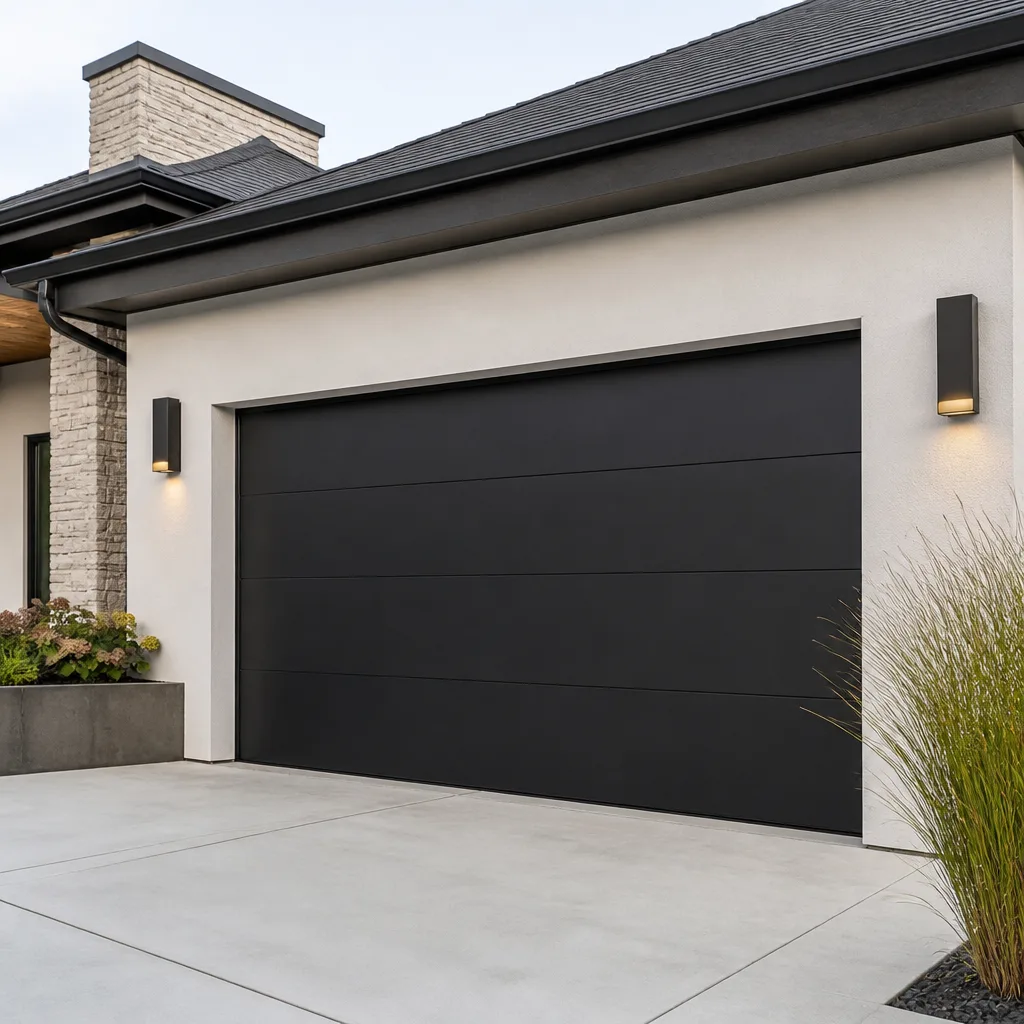 Modern flush
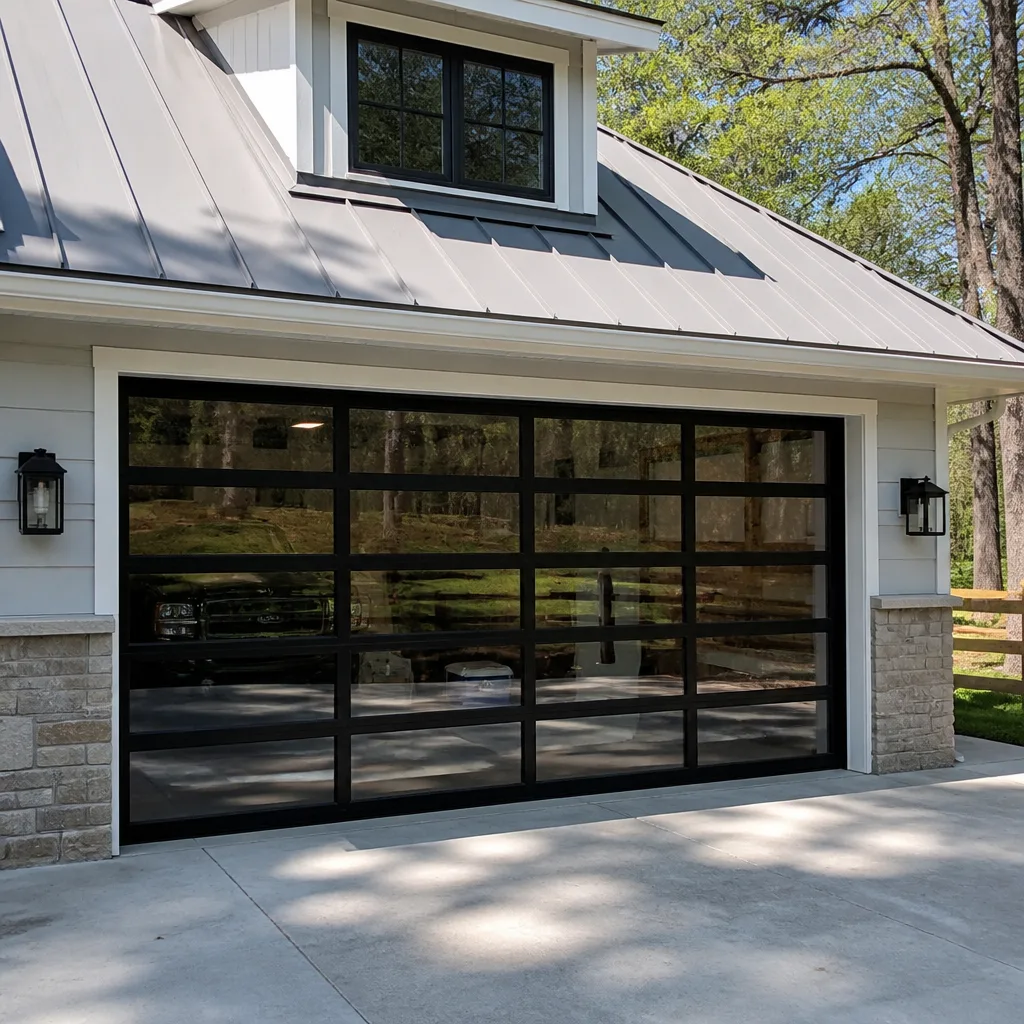 Full-view glass
 LiftMaster openers
 Chamberlain openers
Full 25-point door and opener safety check with every visit - springs, cables, rollers, tracks, and your LiftMaster or Chamberlain opener included
You get a price before we start. It does not change when the pro arrives.
Get your free estimateSeasonal Garage Door Care for Edina: Year-Round Homeowner’s Guide
Most seasonal garage door advice tells you to lubricate in fall and tidy up in spring and calls it a year. That’s the wrong shape for Edina, and the fall lubrication advice in particular is the most over-recommended and least understood task in the trade. Done with the wrong product, or applied to the wrong parts, it makes cold-weather performance worse: grease thickens in the cold, attracts grit, and gums up the works right when your door needs to move freely. What follows is a four-phase map built around the stresses Edina doors actually face – freeze-up, deep cold, thaw, and humidity – and the specific tasks that keep each one from turning into a service call.
Quick Answer
Garage door care in Edina works best as four phases tied to the local climate: an October pre-freeze adjustment pass before the first hard freeze, minimal intervention and attentive listening through deep cold, a March thaw inspection focused on ice heave at the bottom seal and threshold, and a summer humidity check on wood components and opener sensitivity. Each phase targets different components because each kind of weather damages different parts of the door system.
Styles & brands we work with
- Raised-panel steel
- Carriage house
- Modern flush
- Full-view glass
- LiftMaster openers
- Chamberlain openers
Table of Contents
- Why Edina Doors Need Four Phases, Not Two
- October: The Pre-Freeze Pass That Prevents January Calls
- Deep Cold: What It Does to Springs and How to Listen for Trouble
- March Thaw: Ice Heave, Bottom Seals, and the Threshold
- Summer Humidity: Wood Doors and Opener Sensitivity
- The Month-by-Month Task Map for Edina
- What You Should Never Adjust Yourself
- Common Mistakes to Avoid
- When to Call a Professional
Why Edina Doors Need Four Phases, Not Two
A garage door system is a set of parts that respond differently to temperature, moisture, and load. Steel tracks expand and contract. Springs change their stored energy with temperature. Wood swells with humidity and dries with furnace heat. Seals get stiff, then brittle, then cracked. Generic spring-and-fall advice treats the whole system as one thing. In Edina it isn’t, and the weather here makes that plain.
Edina sits in a climate with genuine seasonal swing: hard freezes that arrive and stay, a deep-cold stretch where temperatures hold below freezing for long periods, a thaw that pushes meltwater against the door’s base, and a humid summer that affects wood components and electronic openers. Four phases means four different inspection and adjustment windows, each aimed at the components that phase actually threatens.
- Freeze-up stress: contractions, stiff seals, and settings that drift as temperatures drop. Best handled with adjustments before the first hard freeze.
- Deep cold stress: spring metal fatigue, sluggish opener motors, and the increased load of a door that moves harder. Best handled through attentive operation and a watch on noises.
- Thaw stress: ice heave at the bottom of the door, water at the threshold, and seals that took a beating over the winter. Best handled with a spring inspection.
- Humidity stress: swelling wood, sticking panels, and opener sensitivity that needs recalibration. Best handled with a summer tune-up.
This guide is written for Edina homeowners who use the door daily and want it to work when they need it. If at any point a door stops operating safely, the fastest path is our Garage Door Repair Edina page, where you can get a technician out to look at the actual problem rather than guess at it.
October: The Pre-Freeze Pass That Prevents January Calls
The single most useful thing you can do for your garage door in Edina happens in October, before the first hard freeze sets in. A door that’s slightly out of adjustment in mild weather becomes a door that strains, sticks, or fails outright once the cold locks in. The October pass isn’t about deep maintenance; it’s about catching small misalignments before the cold makes them worse.
Here’s the order we recommend. Work top to bottom and stop if anything looks bent, cracked, or feels unsafe.
- Check the balance. With the door closed, disconnect the opener (usually a pull cord on the rail), lift the door halfway, and let it go. A well-balanced door holds roughly in place. One that slams down or drifts up is out of balance and needs a professional eye before the cold arrives.
- Look at the bottom seal. Run your hand along the rubber or vinyl seal along the bottom edge. It should be flexible and continuous. Cracks, hardness, or gaps mean cold air and snow will find their way in, and the seal will fail faster in the cold.
- Clear the tracks of grit. Wipe the inside of the vertical and horizontal tracks with a dry cloth. Do not use grease or oil in the tracks; they’re meant to run dry. Grit left in place will grind against the rollers once the cold makes everything stiff.
- Check the weatherstripping around the frame. The strips along the sides and top should sit flat and tight. Loose strips let cold air in and can flap or tear in wind.
- Test the safety reverse. Put a piece of wood or a brick flat under the closing door. The door should reverse on contact. If it doesn’t, the opener’s force settings need adjusting before winter.
- Watch the opener lights and listen for odd sounds. A LiftMaster, Chamberlain or Genie opener that’s working well sounds steady. Grinding, clicking, or hesitation is a sign something needs attention.
One note on the popular advice to “lubricate everything in fall.” Lubricate the right things and skip the rest. A light application of a garage-door-specific lubricant on the hinges, rollers’ bearings, and the spring (not the track) helps. General-purpose grease or oil on the tracks attracts dirt and, in the cold, can thicken into a paste. That’s the mistake most fall maintenance makes.
Deep Cold: What It Does to Springs and How to Listen for Trouble
Deep cold changes how your door behaves, and it changes what a spring failure looks like. Torsion and extension springs are steel under load, and steel behaves differently when it’s very cold: it’s less forgiving, and fatigue that built up over the warmer months shows itself at the worst possible time. Doors that broke a spring in January almost always had a spring that was already tired in October.
What changes in deep cold:
- Springs get stiffer. A cold spring stores more energy for the same travel, which means the door may feel heavier at the start of the lift and lighter near the top. That’s normal, within limits – but a door that suddenly lifts hard is worth watching.
- Openers work harder. Cold grease in the opener’s gearbox and stiff door hardware mean the motor pulls more current. A Genie or LiftMaster opener that was fine in fall may trip its force limit in January.
- Rollers and hinges stiffen. Metal on metal with less flex means more noise and more wear.
- Seals harden. A cold bottom seal doesn’t conform to the floor; it can leave gaps that let in drafts, snow, and small animals.
So listen differently in January. A door that sounded fine in October but now groans, thumps, or hesitates is telling you something. A single loud bang from the door area is the classic sign of a broken spring; the door will feel extremely heavy and may not open at all. Don’t force an opener on a door that feels like that – the opener is trying to lift a door it wasn’t designed to lift without spring help, and it will burn out or damage the door.
If you hear that bang, call for spring repair rather than trying to work around it. Spring repair is one of the most safety-critical jobs in the trade; a loaded torsion spring can cause serious injury if handled without the right tools and training. We handle garage door repair including spring replacement as a standalone service, and our technicians have up to 10 years of experience with the parts on your door.
March Thaw: Ice Heave, Bottom Seals, and the Threshold
March is when Edina garage doors pay for the winter. Ice heave – the lifting of the ground as it freezes and thaws – pushes against the door’s threshold and bottom seal. Meltwater runs along the apron and pools where the door meets the floor. And the bottom seal, which took the whole winter’s worth of freeze-thaw, is the first thing that shows damage. A door that was watertight in November often isn’t in March.
What to check as the thaw sets in:
- Look for daylight under the door. Close the door and look for any light showing along the bottom edge. Even a small gap lets water and cold air in and is a sign the seal or the threshold is out of alignment.
- Inspect the bottom seal for cracks or separation. A seal that’s hardened, cracked, or pulling away from the door needs replacing before the spring rains.
- Check the threshold and apron for heaved concrete. If the slab at the door’s base has lifted, the door may not close flush. That’s a concrete problem, but it affects the door, and a technician can tell you whether the seal or the door’s travel needs adjusting around it.
- Look at the door’s alignment in the tracks. If the door looks skewed or binds as it moves, ice heave or a bent track may be behind it. Don’t force it through a bind.
- Clean the tracks and the threshold. Meltwater carries grit and small debris into the bottom of the tracks. Clear it before it works into the rollers.
- Test the opener’s safety reverse again. Force settings can drift over the winter as the door’s hardware loosens. Recheck the reverse on contact.
Ice heave damage caught in March is usually a seal replacement and a tune-up. Caught in June, after the spring rains have soaked into the wood or rusted the bottom section, it can mean a bottom panel replacement. The inspection is quick and, done early, cheap. Our garage door opener repair service also checks the opener’s force and travel settings as part of the call, so the mechanical and electrical sides of the door get looked at together.
Summer Humidity: Wood Doors and Opener Sensitivity
Summer in Edina brings the other extreme. Humidity swells wood door components, and that swelling changes how the door moves and how the opener reads it. A wood door that fits perfectly in February may bind in July. Panels swell against their frames, the door’s weight shifts, and the opener’s sensitivity settings – which were calibrated in a different season – may now be wrong in either direction.
What humidity does to a wood door:
- Panels and stiles swell. The door’s overall dimensions can change enough to cause sticking at the tracks or difficulty latching.
- Paint and finish lift. Moisture finds its way into seams, and the finish starts to fail at the bottom and around hardware.
- Hardware loosens. Hinges, brackets, and handles can work loose as the wood around them swells and shrinks.
- Opener force settings drift out of range. An opener set for a lighter, drier door may not lift a heavier, more humid one without tripping its force limit.
For steel doors, humidity matters less for the door itself and more for the opener. Steel panels are stable, but the opener readings still drift with temperature and load. A Raynor or Amarr door that’s tight and quiet in fall can feel different in July. The fix isn’t usually a new part; it’s recalibrating the opener’s force and travel limits, which is a task for a technician because the settings affect safety reverse.
If you’re replacing a wood door that keeps swelling and binding, or upgrading to a more dimensionally stable steel or composite door, that’s a different conversation. Our garage door installation service covers new doors from first measurement through final adjustment, and we service all the major brands – including the door you already own, whether it’s a Raynor, a Clopay, or a Wayne Dalton.
The Month-by-Month Task Map for Edina
Here’s the calendar. It’s built for Edina’s climate, not for a generic Midwest average: the freeze dates and thaw timing here shape when each task has to happen. Adjust the specific months by a week or two if the weather runs unusual, but keep the sequence.
- October: Pre-freeze pass. Balance test, seal inspection, track cleaning, weatherstrip check, safety-reverse test, force-setting adjustment. This is the month that prevents the most January calls.
- November: First hard freeze watch. Listen for new noises, check that the door seals against the threshold as the temperature drops, and confirm the opener still runs smoothly.
- December through February: Deep cold. Minimal intervention. Watch for the classic broken-spring bang, don’t force a heavy door, and keep the tracks clear of snow and grit. Listen to the door every time you use it.
- March: Thaw inspection. Bottom seal check, threshold and apron inspection, track clearing, alignment check, safety-reverse retest.
- April: Post-thaw tune-up. Seal replacement if needed, hardware tightening, roller inspection, and confirmation that the door closes flush after the ground settles.
- May: Summer prep. Lubricate hinges, rollers, and the spring with a garage-door-specific product. Check the opener lights and safety sensors.
- June through August: Humidity watch. Wood doors: check for swelling, sticking, and finish lift. All doors: confirm the opener’s force and travel settings match the current door weight.
- September: Pre-fall check before the October pass. Tighten loose hardware, look at the springs for any visible wear, and plan any parts that need replacing before winter.
The pattern is deliberate. Each season’s tasks are aimed at the component that season threatens most: seals and adjustments before freeze-up, springs and openers in deep cold, bottom seals and thresholds at thaw, and wood and opener calibration in humidity. If a task in the calendar feels like something you shouldn’t do yourself – anything involving the springs, cables, or the opener’s internal settings – it isn’t. Leave it to a technician.
What You Should Never Adjust Yourself
Most of this guide is about inspection. That’s deliberate. There are parts of a garage door system that are genuinely dangerous to work on, and a homeowner’s job is to spot the problem, not to fix it. Three things top that list.
Torsion and extension springs. These hold the full weight of the door under tension. A torsion spring is wound tight enough to lift hundreds of pounds, and if it’s released without the correct winding bars and experience, it can cause severe injury. If a spring is broken, worn, or you suspect it’s near the end of its life, call a technician. We offer spring repair as a standalone service because it’s one of the most technically demanding repairs in the trade.
Cables and drums. The cables carry the spring tension and are under load at all times. A cable that’s frayed or off the drum is a call-a-professional situation, not a repair to attempt.
The opener’s force and travel settings. The opener’s force limit exists to make the door reverse on contact. Set it too high and the door may not reverse on an obstruction, which is a safety issue. Set it too low and the opener will trip on a heavier door. Either way, the adjustment has a safety consequence, and it’s a technician’s job.
What’s safe to do yourself: visual inspection, track cleaning with a dry cloth, lubrication of hinges and rollers, and the balance test. When in doubt, call. A free estimate costs nothing, and it’s the difference between a small adjustment and a bent door.
Common Mistakes to Avoid
- Greasing the tracks. Garage door tracks are meant to run dry. Oil or grease attracts dirt, thickens in the cold, and can cause the door to bind right when winter sets in. Wipe the tracks clean and leave them.
- Using general-purpose oil on the spring. A light coat of a product made for garage doors is fine. Heavy oil or grease on the spring collects grit and can stiffen in cold weather, working against you.
- Skipping the October pass because the door “looks fine.” Most January service calls trace back to something that was visible in October and easy to fix then. The freeze doesn’t create problems; it exposes them.
- Forcing a heavy door. If the door feels extremely heavy, the spring has likely failed. Running the opener anyway stresses the motor and the door. Stop and call.
- Ignoring a new noise in deep cold. Groans, thumps, and hesitation in January are the door telling you something needs attention. A few minutes of diagnosis now beats a full repair later.
- Assuming the bottom seal will make it through the thaw. The bottom seal takes the worst of the freeze-thaw cycle in Edina. Check it in March; replace it if it’s cracked or separated before spring rain gets in.
- Adjusting the opener’s force setting by trial and error. The setting affects safety reverse. A setting that lets the door close on an obstruction is a hazard. Have a technician calibrate it, especially after a season change.
When to Call a Professional
Some things are worth a phone call and some aren’t. Call a technician if the door is out of balance, if a spring is broken or looks worn, if a cable is frayed or off its drum, if the door is off its tracks, if the opener won’t reverse on contact, or if the door is binding and you can’t find the cause. Call if the opener’s force settings need adjusting after a season change and you’re not sure how to do it safely. Call if there’s daylight under the door and the seal looks fine – the threshold or alignment may be the issue.
Garage Door Repair Edina offers free estimates in Edina. Call (855) 658-3994 to book one. We answer 24/7, and our fast dispatch from 7am to 7pm, Sunday through Friday, gets a technician to your door. Our technicians have up to 10 years of experience and service all the major brands, so the door you have is the door we know.
See the difference
 Before
 After
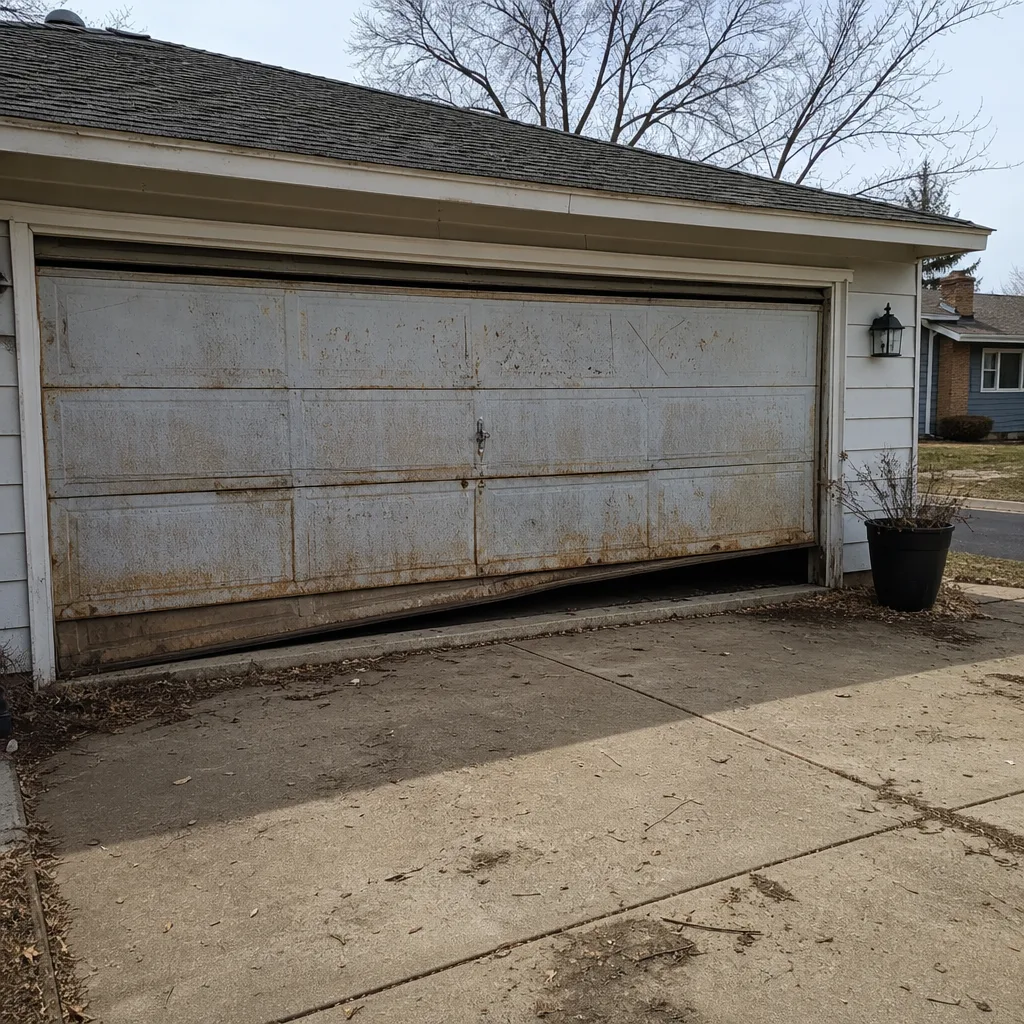 Before
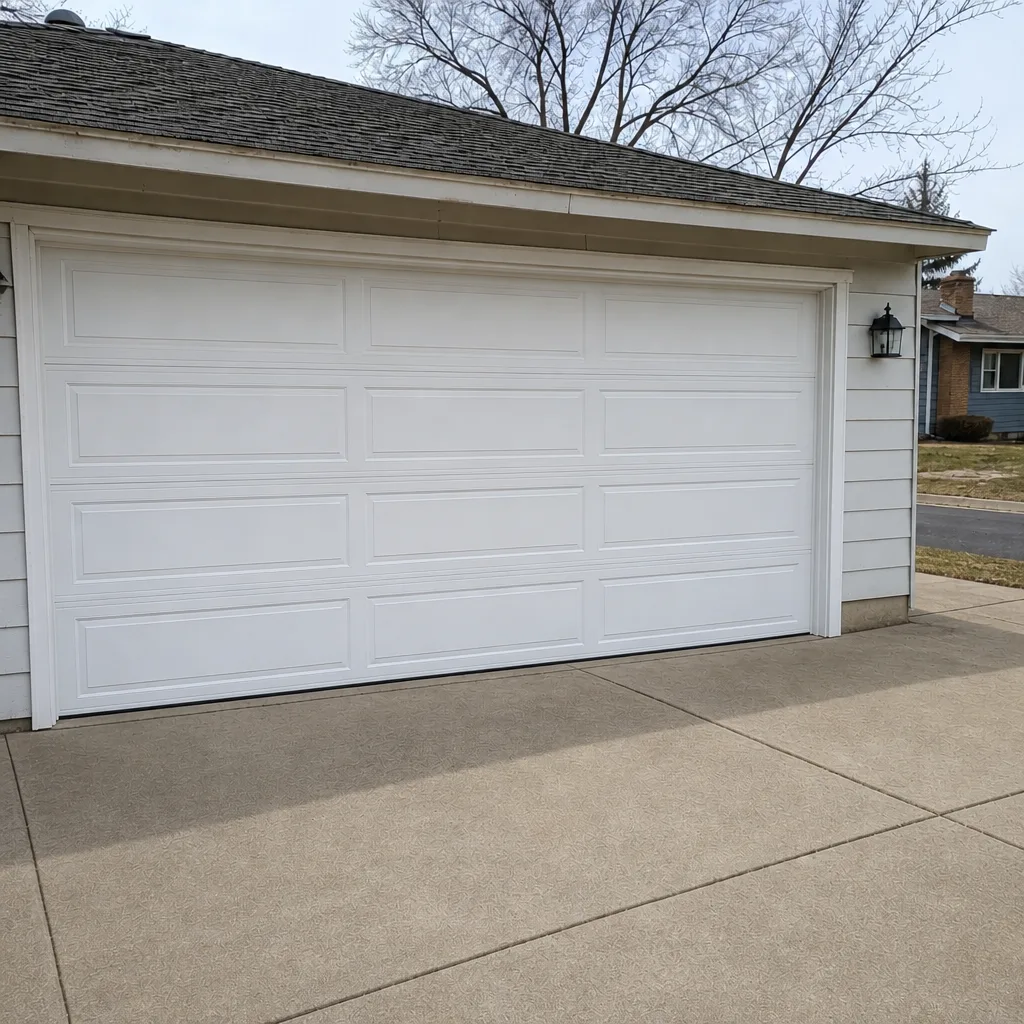 After
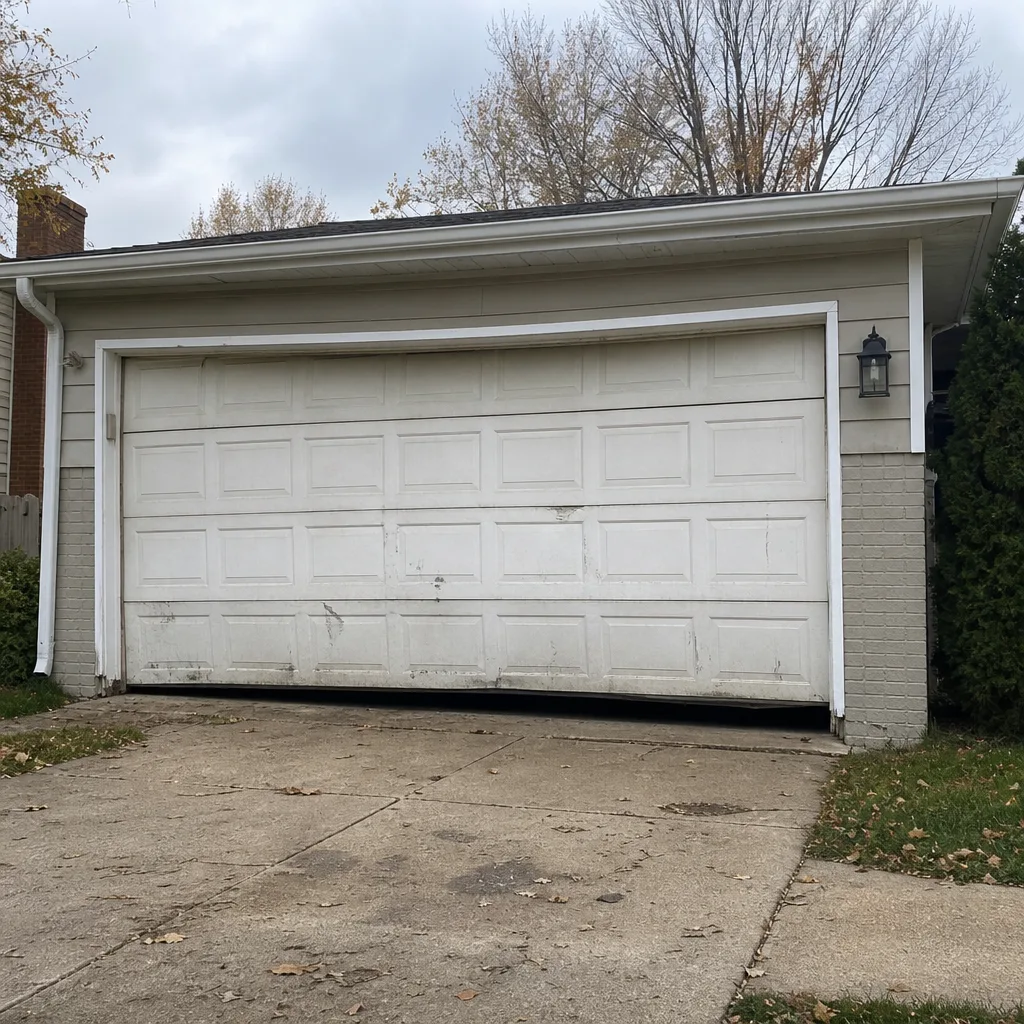 Before
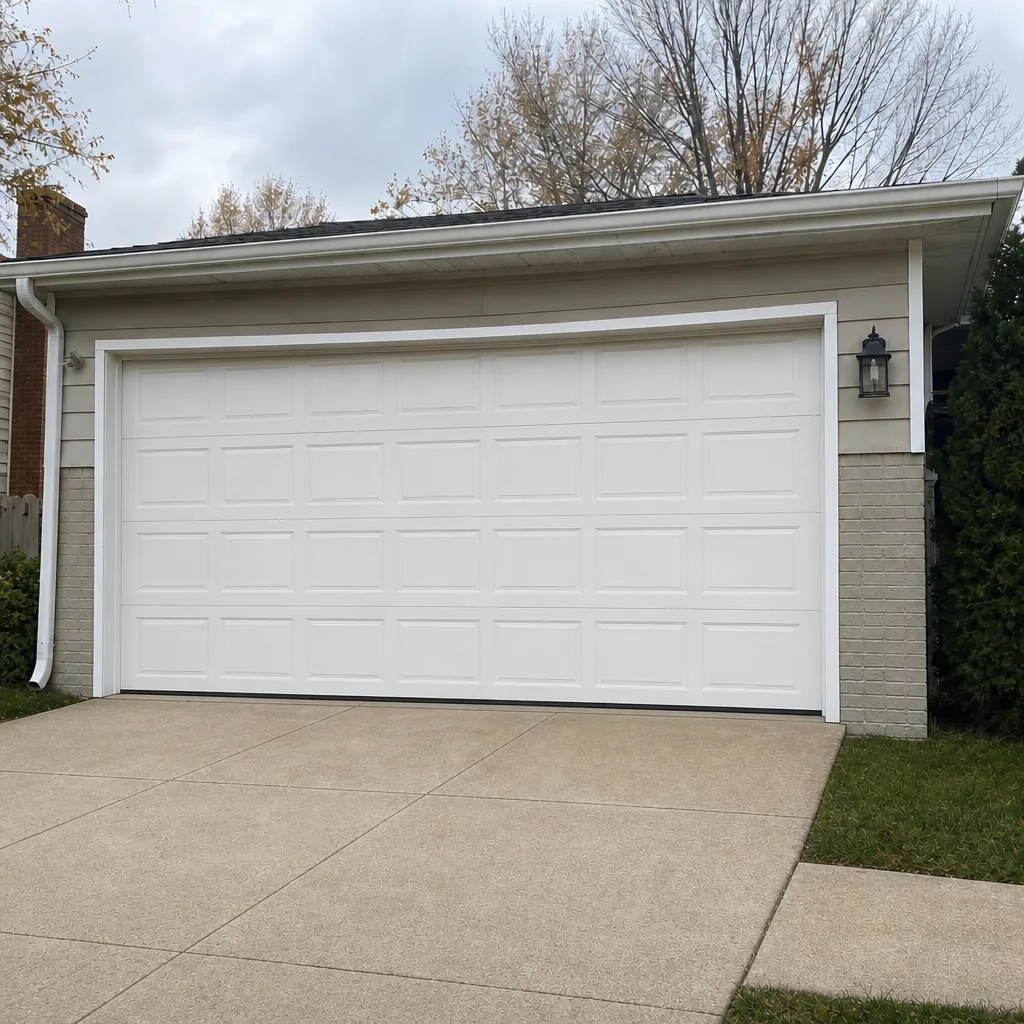 After
Frequently Asked Questions
Schedule a pre-freeze appointment in October and a post-thaw tune-up in March or April. Those two windows catch the tasks that matter most in this climate: adjustments and seals before the freeze, and bottom seals, thresholds, and alignment after the thaw. A summer check on the opener’s force settings and, for wood doors, on swelling and finish, rounds out the year.
Cold changes how the parts behave. Springs stiffen, rollers and hinges get less flexible, and the opener’s motor pulls more current against a stiffer door. A steady groan or hum is usually normal in deep cold, but a loud bang, a door that won’t lift, or grinding sounds are not – those are signs of a broken spring or a mechanical problem and need a technician. Call (855) 658-3994 for an estimate; estimates are free.
Yes, with attention. Don’t force a door that feels heavy, and don’t run the opener on a door that’s out of balance or has a broken spring. The opener isn’t designed to lift the door without spring help. If the door feels normal and the safety reverse works, it’s fine to use. If something feels off, have it checked before using it again – a quick call now beats a bent door or a burnt-out opener later.
Close the door and look along the bottom edge for daylight. Run a hand along the seal; it should be flexible and continuous. Cracks, hardness, or a gap between the seal and the floor are signs it needs replacing. In Edina, the thaw is when most seal damage shows up, so March is the right time to check. Call (855) 658-3994 if you’re not sure what you’re looking at.
Humidity. Wood components swell in humid air and shrink in dry air, so a door that fits well in winter can bind in summer. The opener may also need its force and travel settings recalibrated for the heavier, more humid door. If the sticking is severe or the finish is failing, a technician can check whether the door needs adjustment or replacement. Call us for a free estimate.
Yes, but only the right parts and with the right product. Apply a garage-door-specific lubricant to the hinges, the rollers’ bearings, and a light coat on the spring. Do not lubricate the tracks; they run dry. General-purpose oil or grease on the tracks attracts dirt and thickens in the cold, which makes winter performance worse. If your door hasn’t been serviced in a while, a fall tune-up is a good time to have it checked by a technician.
The Bottom Line
Edina’s climate puts four distinct stresses on a garage door, and each one hits a different part. A four-phase approach handles them in order: the October pre-freeze pass catches misalignments before the cold locks them in, deep cold demands attentive listening and a refusal to force a heavy door, the March thaw is the time to inspect bottom seals and thresholds for ice heave damage, and summer humidity calls for a look at wood components and opener sensitivity. The single most important takeaway: lubricate in fall, but only the right parts with the right product – skip the tracks, skip the grease, and let the season changes guide your inspection calendar.
If anything in the calendar turns up a problem you can’t or shouldn’t fix yourself – a broken spring, a frayed cable, a door off its tracks, an opener that won’t reverse – call us. We repair, maintain, and install garage doors in Edina, and we handle the brands you have. Call (855) 658-3994 for a free estimate. We answer 24/7. Fast dispatch from 7am to 7pm, Sunday through Friday.
Written by the team at Garage Door Repair Edina.