
Last updated November 22, 2026
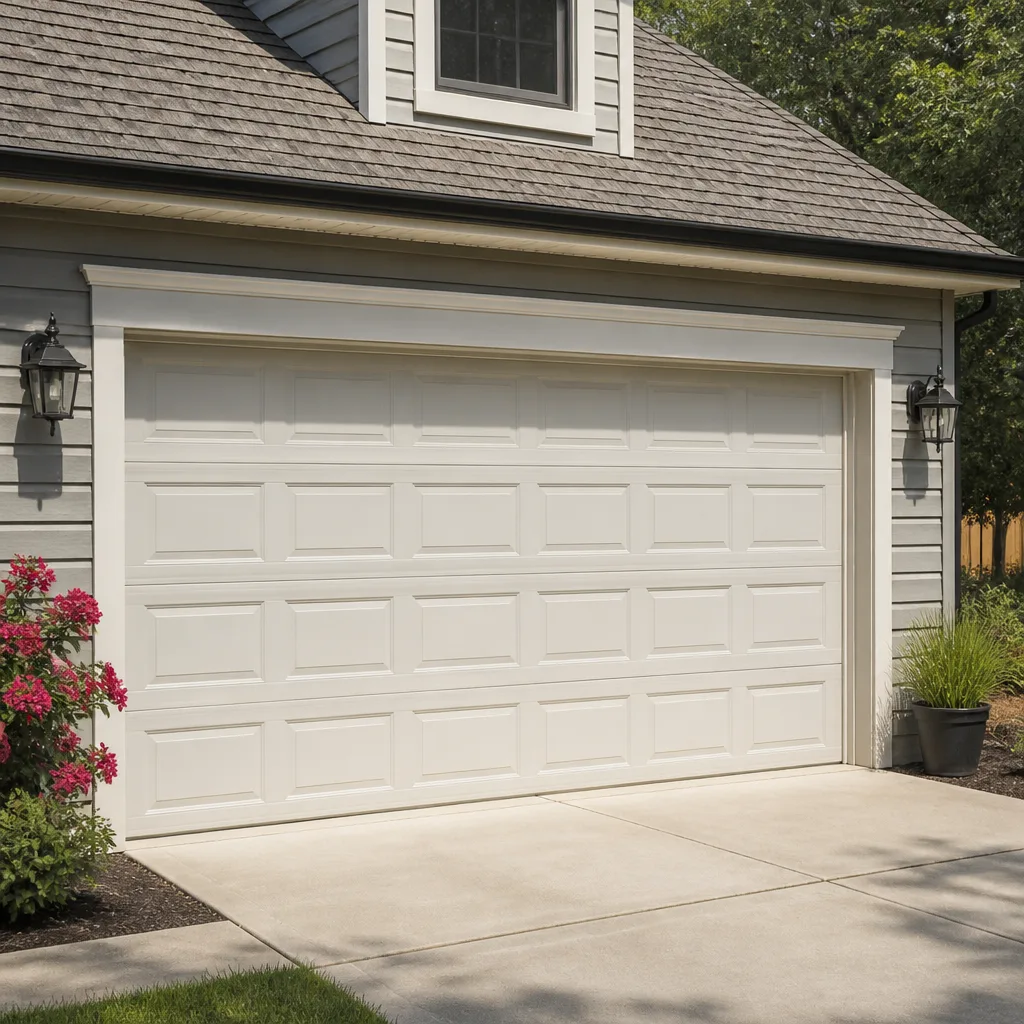 Raised-panel steel
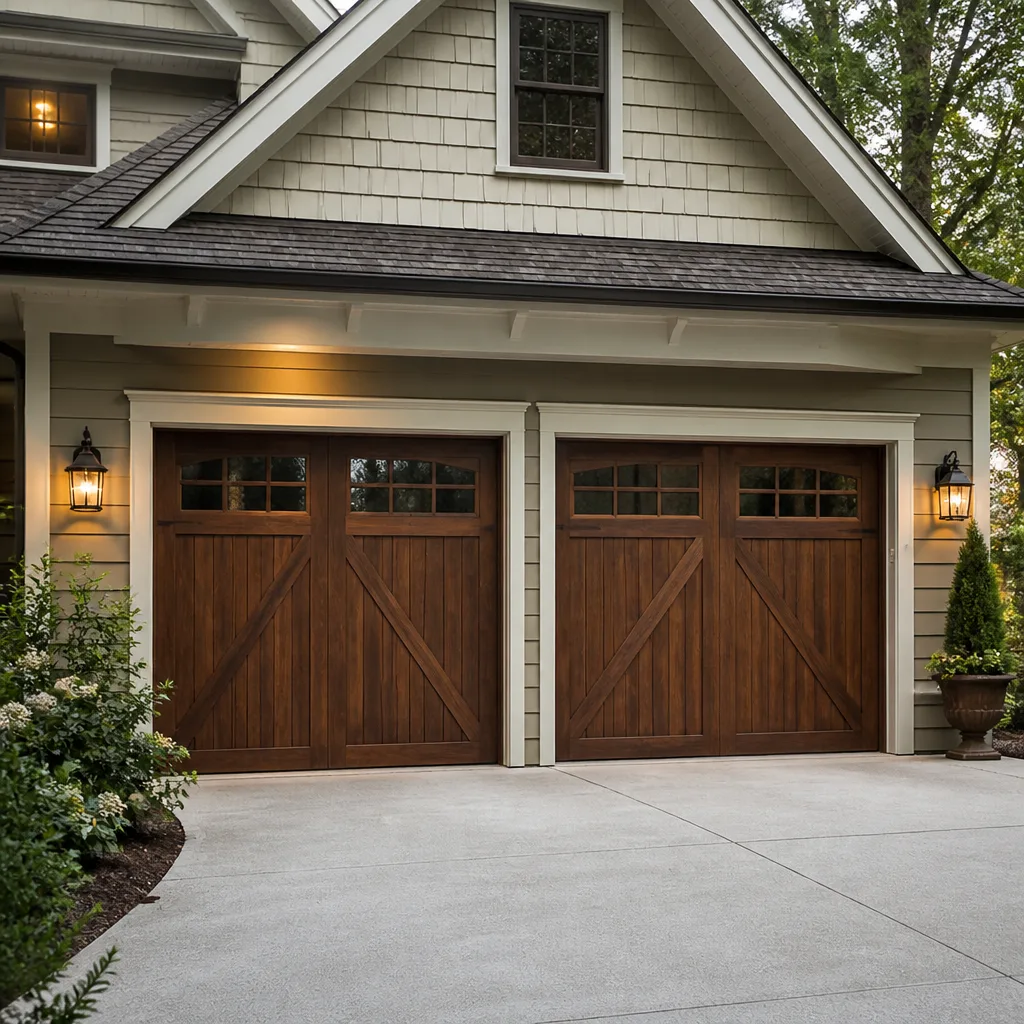 Carriage house
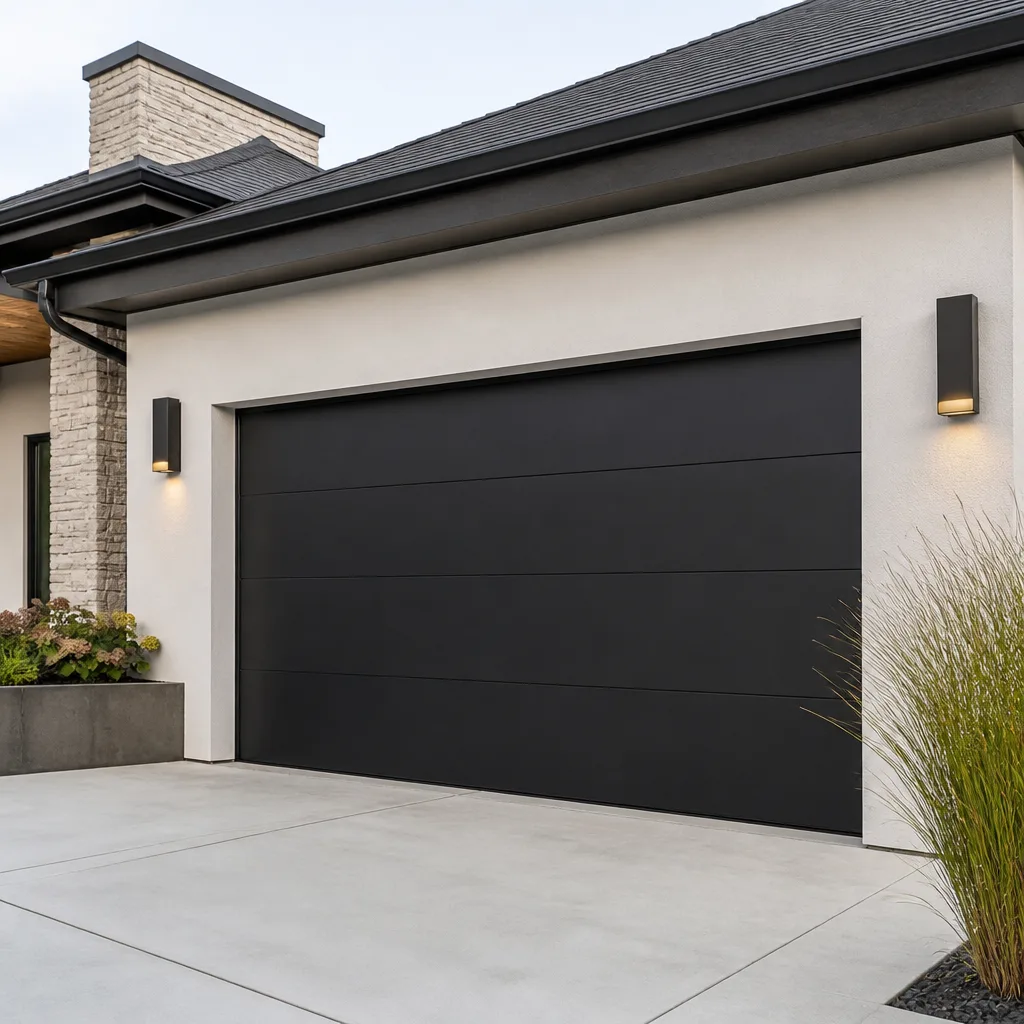 Modern flush
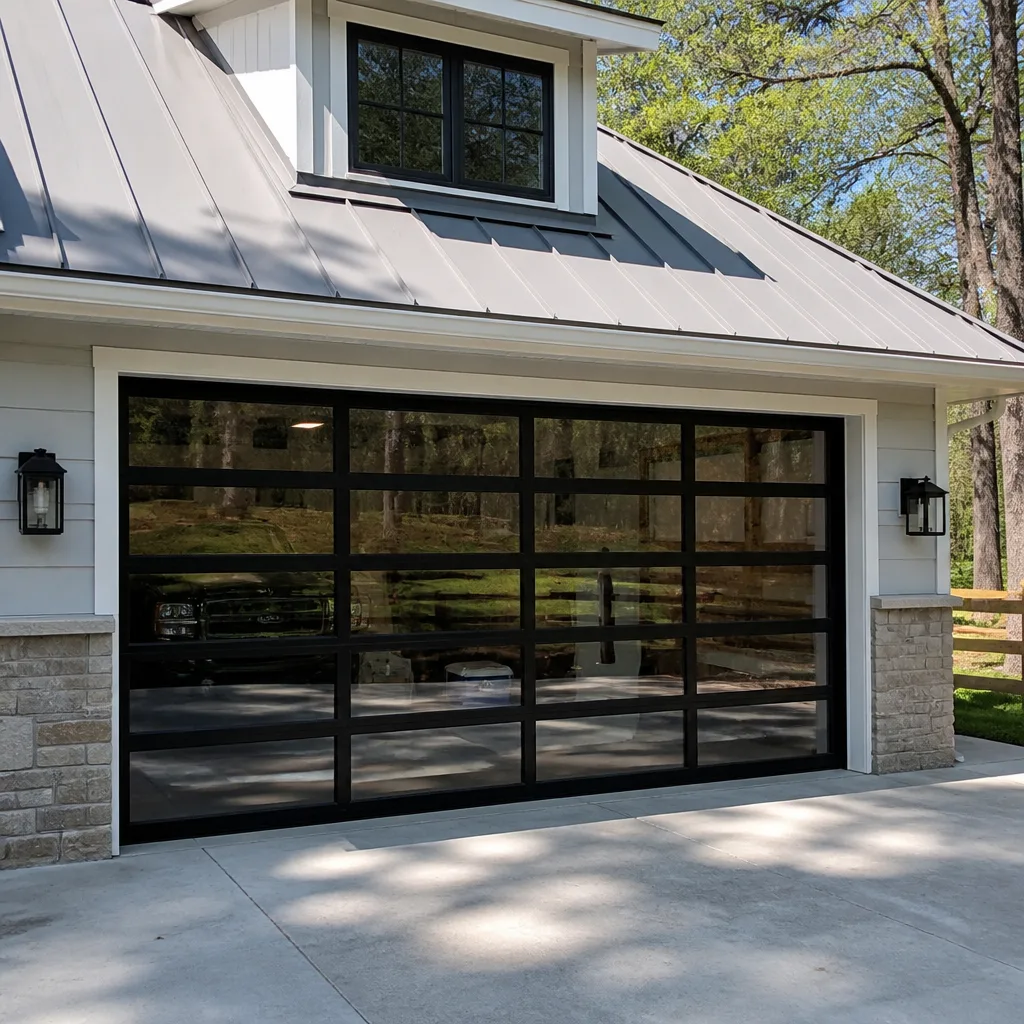 Full-view glass
 LiftMaster openers
 Chamberlain openers
Full 25-point door and opener safety check with every visit - springs, cables, rollers, tracks, and your LiftMaster or Chamberlain opener included
You get a price before we start. It does not change when the pro arrives.
Get your free estimateDIY vs Professional Garage Door: The Edina Homeowner’s Decision Guide
Most homeowners who ask whether they should fix their garage door themselves are already capable people. They’ve swapped out outlets, patched drywall, maybe even replumbed a bathroom. So the question isn’t really “can I do this?” It’s “should I?” Those are different questions, and garage doors are one of the few systems in your house where the answer depends heavily on which part failed. A misaligned safety sensor is a ten-minute fix. A torsion spring is a different category of problem entirely. This guide walks through the risk matrix task by task, shows you where DIY genuinely pencils out, explains why spring work is a hard stop even for skilled DIYers, and covers how to be a smart, informed customer when you do hire out – all from the perspective of a shop that works on Edina doors every week.
Quick Answer
About 70 percent of common garage door problems are reasonable DIY projects for a careful homeowner with basic tools: opener remote programming, safety sensor alignment, weather seal replacement, lubricating moving parts, and visual inspections. The remaining 30 percent – torsion springs, cable replacement, track realignment, and opener motor or gear replacement – carry real injury risk or require calibration tools most homeowners don’t own. Torsion springs store enough energy to cause serious injury when improperly released, which is why even experienced DIYers who handle their own electrical and plumbing work still draw a hard line there.
Styles & brands we work with
- Raised-panel steel
- Carriage house
- Modern flush
- Full-view glass
- LiftMaster openers
- Chamberlain openers
Table of Contents
- The Task-by-Task Risk Matrix
- Why Torsion Springs Are a Hard Stop
- What a YouTube Tutorial Doesn’t Account For
- Edina Climate and Your Garage Door
- Where DIY Genuinely Pencils Out
- How to Be a Smart Customer When You Hire Out
- Cost Comparison: DIY vs Professional
- When to Call a Professional
The Task-by-Task Risk Matrix
Not all garage door repairs are equal. Framing the DIY question as one big yes-or-no is where most homeowners go wrong. What you actually need is a task-by-task assessment: what’s the worst-case outcome if this goes badly, and do I have the tools and knowledge to avoid that outcome? Here’s how the work breaks down.
Low-risk, high-DIY-fit tasks:
- Programming a new remote to your opener. With a LiftMaster or Chamberlain unit, it’s a matter of pressing the learn button and syncing the remote. Instruction manuals and manufacturer videos cover this well.
- Aligning safety sensors. The two photo-eye sensors at the bottom of your tracks need to face each other and see a clear path. Realigning them is a screwdriver job.
- Replacing bottom weather seals. These wear out in Minnesota winters, and the replacement slides into a channel or is nailed into the bottom section. Straightforward work.
- Lubricating hinges, rollers, and tracks. A garage door-specific lubricant on the moving parts, once or twice a year, extends component life.
- Adjusting the opener’s travel limits or force settings when the door doesn’t close fully. The manual explains the process.
- Visual inspection of springs, cables, and rollers. Look, don’t touch.
Medium-risk, judgment-call tasks:
- Replacing a single hinge or roller. Doable, but you need to know how to safely support the door while working on it, and a door under tension is not a door you want to jostle.
- Adjusting track position slightly when a roller has jumped out. Sometimes this is just a matter of loosening a bolt and reseating. Sometimes it’s a sign of a bigger alignment issue.
- Replacing a garage door opener. The mechanical work is manageable, but the electrical connections, force calibration, and safety reversal testing require attention. Our garage door opener repair technicians handle this constantly and know the calibration test sequence cold.
High-risk, professional-only tasks:
- Torsion spring replacement or adjustment. This is the hard line for every credible source in the trade, and we’ll explain why in detail below.
- Cable replacement. Cables are under extreme tension and can whip when released.
- Track replacement or significant realignment after impact.
- Panel replacement on a door that’s still under spring tension.
- Any work on the door’s structural integrity – struts, stiles, section replacement on a large door.
Why Torsion Springs Are a Hard Stop
Every trade has its no-go zone. Plumbers who’ll replace their own water heater still won’t open up a gas line. Electricians who rewire their whole house won’t touch the service panel mains. For garage doors, that zone is the torsion spring, and the reason isn’t liability language – it’s the actual mechanical energy stored in the system.
A torsion spring is a tightly wound coil of steel mounted on a bar above the door. It’s under constant high tension, holding the full weight of the door in a balanced system. When a torsion spring fails, it doesn’t just break – it releases that stored energy. The two failure modes look different:
- Breakage under normal use: The spring snaps cleanly and the door becomes extremely heavy (unbalanced), but the break typically happens within the coil. This is the common failure. It’s loud and startling, but usually contained.
- Improper release during work: If a spring is being adjusted or removed without the right winding bars and the correct procedure, the stored energy releases through the winding bars or the spring itself, in an uncontrolled direction. This is where serious injuries happen.
The practical takeaway is this: a torsion spring system is a stored-energy system, and working on it is fundamentally different from working on a system that’s simply powered off. You can safely unplug a garage door motor. You can’t unplug a spring’s stored energy without releasing it properly. Professional technicians use winding bars sized to the spring, follow a specific tension release sequence, and know the risks of mismeasuring the spring gauge – because putting a wrong-tension spring on a door creates the same risk in a new form.
This is also why we offer garage door repair intentionally as a named service rather than farming it out. Spring work is the technically demanding heart of this trade, and a company that can’t do it in-house is one that will eventually hand you off to a subcontractor. We’d rather do it ourselves.
What a YouTube Tutorial Doesn’t Account For
We’re not going to tell you the tutorials are wrong. Many are accurate and genuinely useful for the low-risk tasks on the matrix above. The gap is subtler than that, and it’s worth understanding before you size up a repair from video.
1. Every door is different. The video shows a door with a specific spring gauge, drum configuration, and track profile. Your door may have a different setup – especially on older Edina homes where the garage was built decades after the house and may have a door system that predates current standards. If a tutorial’s procedures don’t match your hardware, the video is no longer a tutorial, it’s misinformation. This is exactly why we service all major brands – LiftMaster, Chamberlain, Genie, Clopay, Amarr, Wayne Dalton, Craftsman, and Raynor – because a technician who knows only one brand will misdiagnose the door they’ve never worked on.
2. The video shows the steps succeeding. What it doesn’t show is the twenty minutes of careful problem-solving when something doesn’t quite fit, or the diagnostic reasoning for why the door is behaving oddly in the first place. DIY skill lives in that diagnostic gap. A door that won’t close could be a sensor issue, a travel limit issue, a force setting issue, a track obstruction, a wiring fault, or a failing logic board. The tutorial assumes you’ve already diagnosed correctly. Diagnosis is the harder half of the job.
3. YouTube doesn’t travel with you. When something goes sideways – a roller jumps a track halfway through a repair, a bolt strips at the worst moment – the video can’t answer your new, much more specific question. A technician with up to 10 years of experience has done this long enough to handle those surprises calmly, which matters more on a garage door than on a kitchen cabinet.
4. Safety reversal testing is not optional. Any repair that touches the door’s balance, tracks, or opener settings requires retesting the safety reversal system before the door goes back into daily use. It’s a two-minute test – place an obstruction in the door’s path and confirm the door reverses – but it’s also the step most DIY repairs skip, and it’s the one that protects the people and pets in your household.
Edina Climate and Your Garage Door
Edina garage doors live in a climate that’s genuinely hard on the system, and that affects both what fails and how DIY-friendly a repair is. The specific pattern of freeze-thaw in the Twin Cities metro means the following show up again and again on doors around here:
- Spring fatigue is accelerated. A torsion spring rated for a certain cycle count will hit that count faster when it’s working against a door that’s heavier in winter (snow load, ice on the bottom seal) and operates in wide swings of temperature. A door spring doesn’t usually fail on a mild day – it fails on the coldest week of the year, when the steel is most brittle.
- Weather seals crack and harden. Bottom seals that were supple in October turn brittle by February. That’s a DIY-friendly replacement, but it’s not decorative. A failing bottom seal lets cold air, moisture, and small pests into the garage, and it can cause the door’s safety system to work harder than it should.
- Metal contraction loosens hardware. Hinges, bolts, and track brackets that were tight in summer can work loose over a Minnesota winter. Checking and snugging hardware in the fall is a quick job that pays off.
- Salt and grit from roads degrade rollers. The grit that road crews put down around Edina gets tracked into garages and gets into roller tracks. Keeping the tracks clean and the rollers lubricated makes a real difference in roller lifespan.
- Ice at the door base creates level issues. Repeated freezing and thawing at the base of the door can shift the concrete floor slightly, which is one reason doors sometimes drag on the bottom seal in late winter. If a door starts closing unevenly, get it looked at – the fix may be simple, but the cause matters.
If your Edina home is in a neighborhood like Morningside, Countryside, or the areas near Centennial Lakes, you’re dealing with the same climate cycle on a different generation of door. Older doors need more frequent inspection; newer doors benefit more from simple maintenance. Either way, the climate sets the tempo for what needs attention.
Where DIY Genuinely Pencils Out
We’re not here to talk you out of every repair. Some jobs really are worth doing yourself, and a homeowner who handles the low-risk tasks well is a homeowner who’ll recognize a high-risk task instantly when they see one. Here’s where DIY makes sense, ranked by return on effort.
- Remote and keypad programming. Low risk, low tool requirement, high satisfaction. Follow the manufacturer’s procedure for your opener model. If you have a LiftMaster or Craftsman unit, the learn button and remote pairing sequence is well documented.
- Safety sensor alignment. If the door closes and reverses immediately, or won’t close at all, the photo-eye sensors are the first thing to check. Look for a blinking LED on one sensor – that’s telling you the beam is interrupted or misaligned. Wipe the lenses, straighten the brackets, and confirm they’re pointing at each other.
- Bottom weather seal replacement. Measure your door’s width, buy the correct profile, and slide or fasten the new one in. Edina homeowners usually do this in spring or early fall, before the brittle-cold season sets in.
- Lubrication and hardware tightening. A garage door lubricant on hinges, rollers, and springs, plus a check of the bolts and brackets, is a maintenance task most homeowners can own completely.
- Cleaning and inspecting. Getting a flashlight and looking at the whole system – springs, cables, rollers, drums, tracks – once per season makes you a better-informed customer when something does fail. You’ll spot wear early.
- Replacing a failing wall button or adding a second wall station. Follow the manufacturer’s wiring diagram and turn off the opener’s power first. Manageable for a confident DIYer.
Where we consistently see DIY attempts turn into a professional call is around mid-level repairs that look easier than they are: roller replacement on a door under tension, opener replacement without proper calibration, or a track adjustment gone wrong. If you’re not sure which side of the line a task falls on, that’s your signal to ask before you start.
How to Be a Smart Customer When You Hire Out
Hiring a pro doesn’t mean handing over the keys and hoping for the best. A homeowner who understands the system and knows the right questions gets better work and better outcomes, and can tell the difference between a technician who’s diagnosing and one who’s guessing. Here’s how to be an informed customer on a garage door repair.
Before the visit:
- Note exactly what the door is doing: won’t open, won’t close, reverses immediately, opens partway, making a specific noise (describe it – a bang, a scrape, a rattle). Specific symptoms shorten diagnosis time.
- Check whether the opener’s light is blinking and whether the manual release has been pulled. If someone in the household pulled the red cord, the door is disconnected from the opener and that’s a different repair.
- Confirm the company services your brand. A shop that only installs Clopay may struggle to diagnose your Raynor or Wayne Dalton system. We work on all eight major residential brands, so your existing door is covered.
During the visit:
- Ask what failed and why. A good technician will explain the failure mode in plain terms: “the torsion spring on the left side fatigued and broke, and the door is now unbalanced.” That explanation is the diagnostic work, and it should come before any price discussion.
- Ask whether the repair involves both springs. On a two-spring door (which most double-wide doors have), a matched pair is usually the right call, since the surviving spring has the same cycle count as the one that broke.
- Confirm the price in writing before work begins. Our estimates are free, and the written quote is the price – the invoice shouldn’t surprise you.
- Watch the safety reversal test at the end. Any completed repair should include a test that the door reverses when an obstruction is placed in the path.
After the visit:
- Test the door yourself at least twice – once open fully, once close fully – before the technician leaves.
- Note the date and what was replaced. It’s useful for tracking cycle life and warranty coverage on parts.
- If the door starts behaving differently in the weeks after a repair, call the company that did the work. That should be the same shop, every time.
Cost Comparison: DIY vs Professional
The cost conversation for garage doors is usually framed as “how much can I save by doing it myself?” The more useful framing is “what’s the risk-adjusted cost of each option?” Here’s a rough comparison for the tasks where the number matter. All professional figures below are typical estimated ranges for the Edina area, and the written estimate from the technician sets the final price.
- Safety sensor alignment: DIY materials, essentially zero. Professional service, typically a short service call included in a broader visit. This is a DIY job unless it’s part of another repair.
- Bottom weather seal replacement: DIY seal kit around $40-$100 depending on door width. Professional replacement typically $150-$300 including the seal and labor. DIY pencils out here if you’re comfortable with the installation.
- Remote or keypad programming: DIY, free with the manual. Professional service usually included in a service visit at no additional charge.
- Opener replacement (new unit supplied and installed): DIY unit cost around $150-$350 for a basic opener, plus installation. Professional replacement typically $400-$700 including the opener, belt or chain, labor, and calibration. The professional route usually includes hauling the old unit away and verifying the safety reversal system.
- Torsion spring replacement, single spring: professional service typically $180-$340. A matched pair is usually replaced together, so a pair costs about twice that. DIY is not a legitimate cost-saving option here – see the risk section above.
- Cable replacement: professional service typically $150-$300. Same category as springs – professional only.
- Track realignment after impact: professional service typically $150-$350 depending on whether tracks need replacement. DIY is not advisable on a door under tension.
- New garage door installation: professional only, priced per job by estimate depending on door size, material, and design. Our garage door installation team measures on-site and quotes before ordering.
The honest summary: DIY saves money on the low-risk tasks and saves almost nothing – while adding real risk – on the high-risk tasks. The spring and cable categories are where the risk-adjusted math tips decisively toward professional work.
Common Mistakes to Avoid
- Pulling the manual release on a door with a broken spring. If the door is unbalanced because a spring has broken, pulling the red release cord drops the entire door’s weight onto the tracks and can cause serious damage or injury. Leave the release alone and call a professional.
- Buying a replacement spring by matching visible size. The spring gauge, length, and wire diameter all factor into the correct replacement. A spring that’s close but not exact creates a door that’s either too heavy or too strong, and that imbalance causes premature failures elsewhere. A technician measures the door’s weight and the spring’s specifications together.
- Assuming the opener is the problem when the door is unbalanced. If a door closes hard or struggles to open, the opener may be doing its best against a door it can’t lift correctly. Replacing the opener without addressing the spring tension wastes money and will lead to the same failure on a new unit.
- Skipping the safety reversal test after any repair. This is the one step that protects your household, and it’s the one most often skipped. It takes two minutes and should be done after every repair, DIY or professional.
- Ignoring climate-related maintenance in Edina. A door that works fine in August can fail in February because the seal has cracked and the tracks have collected grit. A fall maintenance pass prevents the majority of winter emergency calls.
- Calling a general handyman for spring or cable work. Garage door spring repair is a specialty. A handyman who does many trades is unlikely to have the correct winding bars, spring measurement tools, and cycle-count knowledge to do this job safely. When it’s a spring, it’s a garage door specialist’s job.
- Waiting until the door stops working entirely. A door that runs roughly, squeaks, or closes unevenly is telling you something. Small fixes get much bigger when ignored.
See the difference
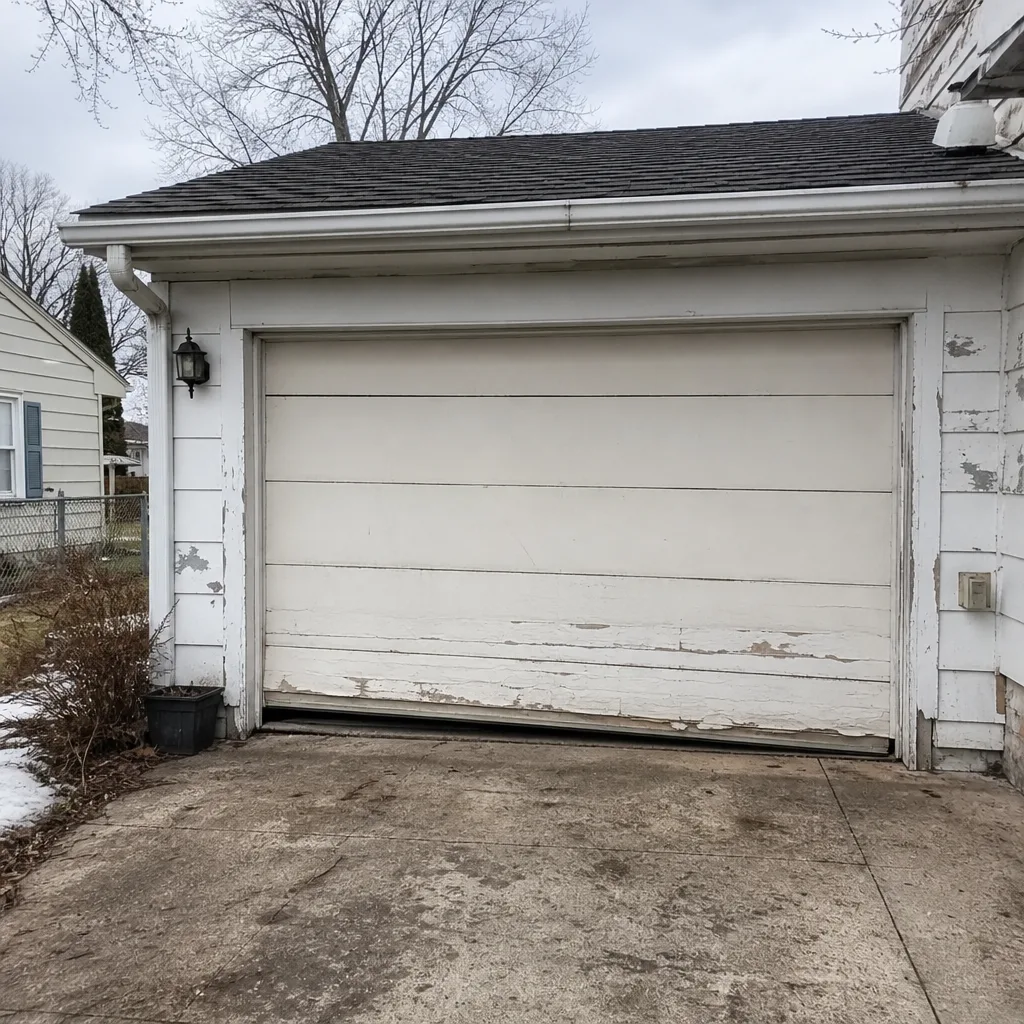 Before
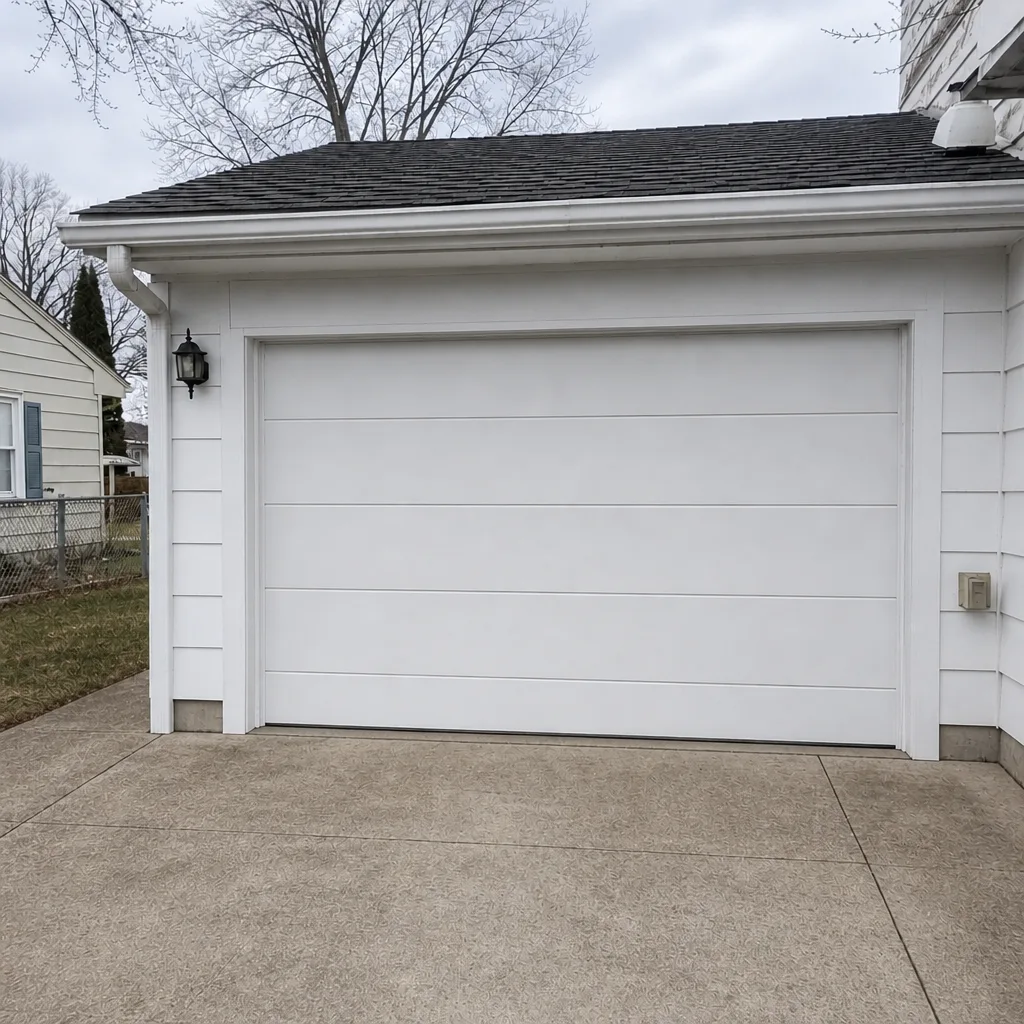 After
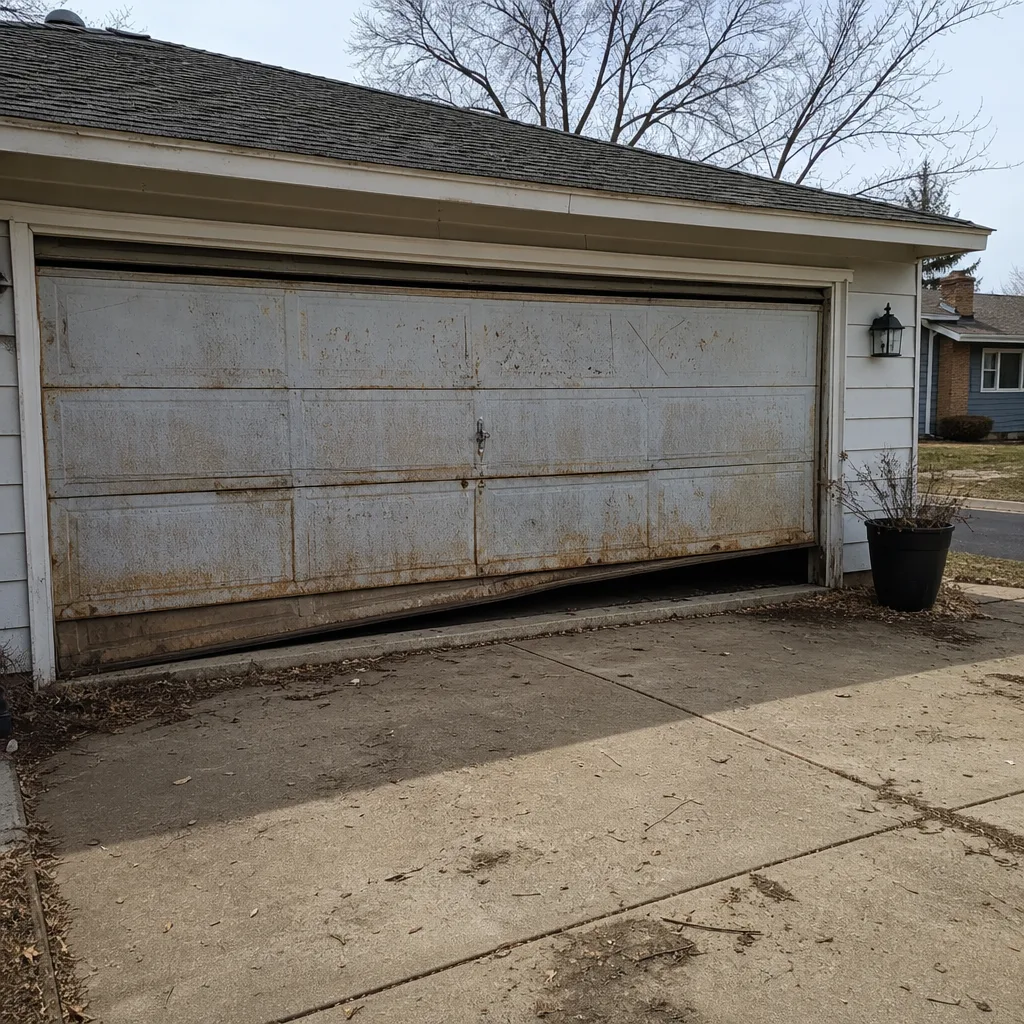 Before
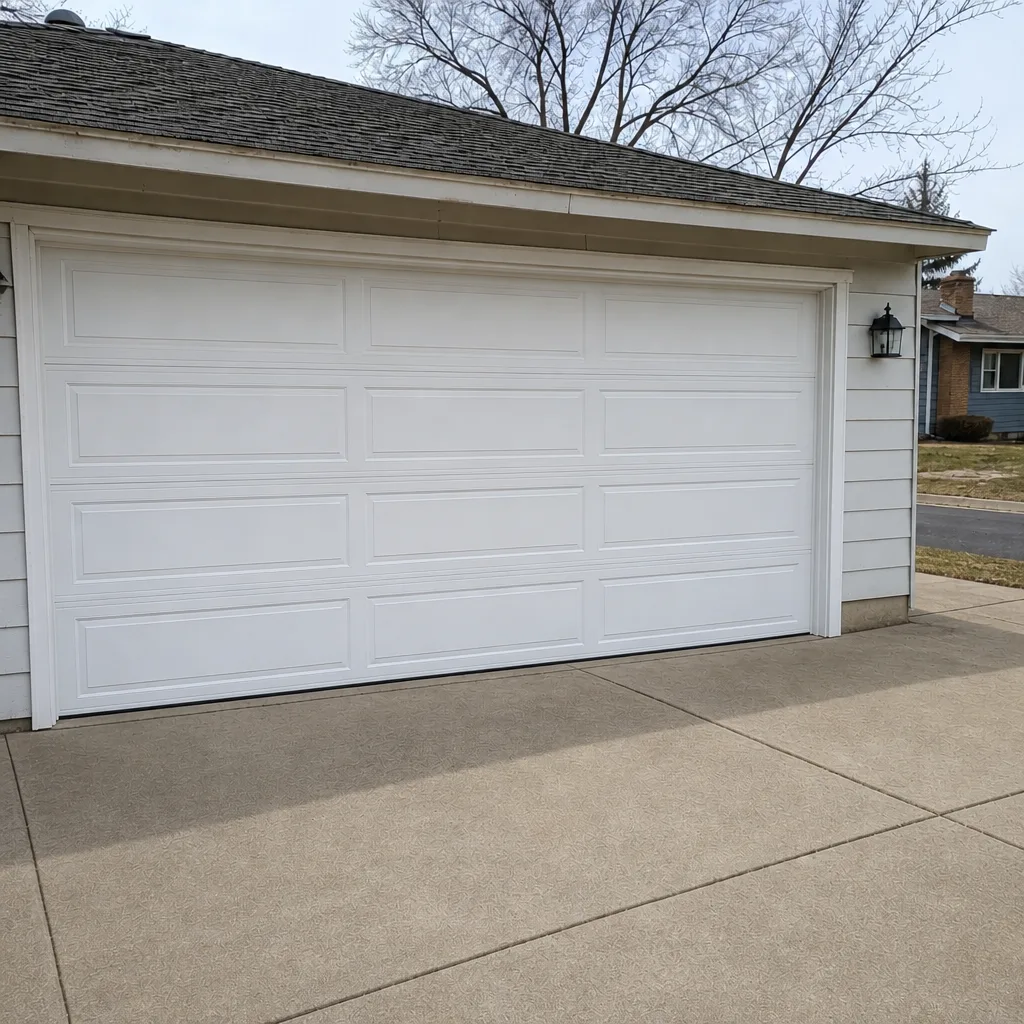 After
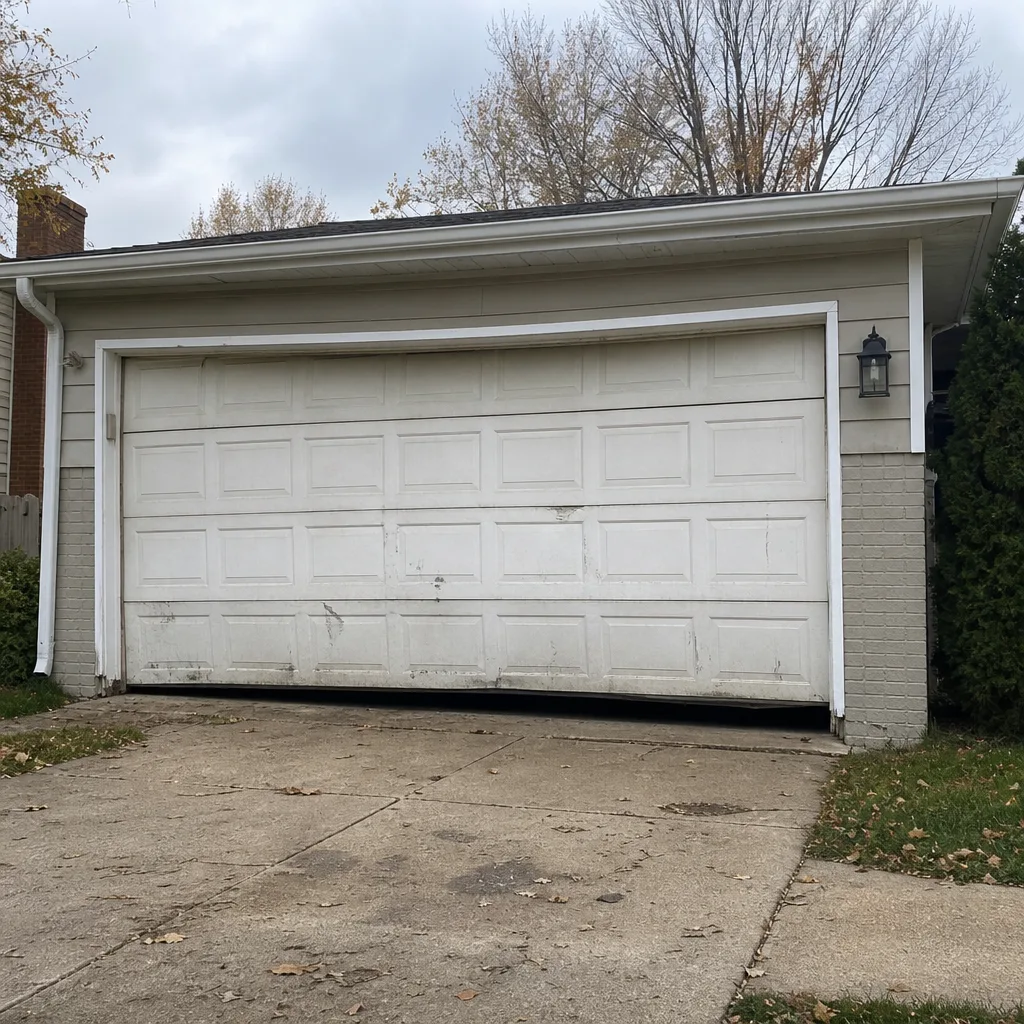 Before
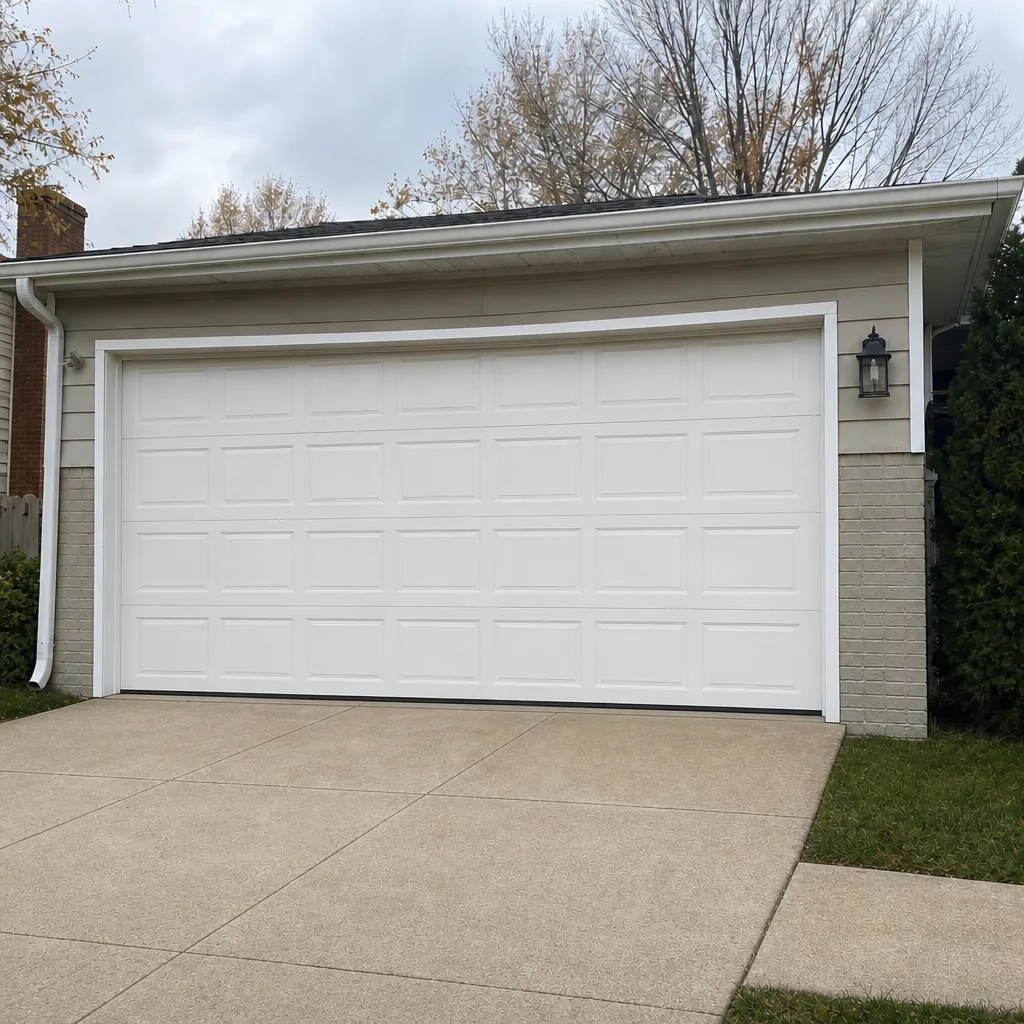 After
When to Call a Professional
Call a professional when the failure involves stored energy, the door’s structural balance, or an opener that requires calibration to safety standards. That covers: broken torsion springs, snapped cables, a door off its tracks, a door that’s become dangerously heavy to lift by hand, an opener that runs but won’t move the door, and any repair where the cost of getting it wrong is more than the cost of the repair. It also covers the situation where you’ve tried a DIY fix and the problem is worse, not better – that’s not a failure, it’s just a different starting point. If it’s an emergency (door stuck open overnight, door won’t close), we offer same-day and emergency service so the problem doesn’t sit. Garage Door Repair Edina offers free estimates in Edina – call (855) 658-3994. We answer 24/7. Fast dispatch from 7am to 7pm, Sunday through Friday. A call outside dispatch hours is booked into the next opening, Sunday through Friday, 7am to 7pm.
Frequently Asked Questions
You shouldn’t. Torsion springs store enough energy to cause serious injury or death when released improperly, and releasing that energy requires winding bars, correct spring measurement, and procedure knowledge most homeowners don’t have. Even experienced DIYers who handle their own electrical and plumbing work draw the line at torsion springs. The cost of a professional single-spring repair in the Edina area is typically $180-$340, and a matched pair is typically about twice that – a reasonable price to avoid a serious injury. Call (855) 658-3994 for an exact quote; estimates are free.
The safe DIY list is opener remote programming, safety sensor alignment, bottom weather seal replacement, lubrication, hardware tightening, and visual inspection. These tasks carry minimal injury risk and use standard household tools. Track adjustment, roller replacement on a tensioned door, cable replacement, and spring work are professional territory. If you’re unsure which category a task falls into, ask before you start – we’re happy to help you tell the difference.
Typical estimated ranges for the Edina area: spring replacement is about $180-$340 for a single spring (a pair is usually replaced together and costs about twice that), cable replacement is about $150-$300, track realignment is about $150-$350, opener replacement installed is about $400-$700, and a bottom weather seal replacement is about $150-$300. The written estimate from the technician is the final price, and it’s quoted before any work starts. Call (855) 658-3994 for an exact quote; estimates are free.
We offer same-day and emergency service for urgent garage door failures, and we answer the phone 24/7. Fast dispatch is 7am-7pm, Sunday through Friday. A call outside those hours is booked into the next opening, Sunday through Friday, 7am to 7pm. If the door is stuck open and your garage is exposed, that’s the priority – call us right away and we’ll discuss the fastest path.
No. We quote the price in writing and get your agreement before any work starts, and the written quote is what you pay. If the diagnosis turns up something extra – a second failure, additional wear – the technician will explain it and quote that work separately before touching it. You decide at each step. Call (855) 658-3994 for a free estimate.
We service the eight major residential brands a homeowner is likely to own: LiftMaster, Chamberlain, Genie, Clopay, Amarr, Wayne Dalton, Craftsman, and Raynor. That means technicians diagnose the door you actually have, including older systems or mismatched components. If you have a brand not on that list, call and we’ll confirm coverage before you book. Call (855) 658-3994 for an exact quote; estimates are free.
The Bottom Line
The DIY vs professional question for garage doors isn’t a philosophy – it’s a task-by-task risk assessment. Handle the safe work yourself: lubricate, inspect, align sensors, swap bottom seals, program remotes. Those jobs save real money and they keep you in tune with the system. Step back from the tasks that involve stored energy, the door’s structural balance, or calibration to safety standards – and honestly, the cost math on those isn’t close, even before you account for injury risk. Every one of those jobs is priced per job by the written estimate and quoted before any work begins. For any Edina homeowner who isn’t sure where a repair sits on the matrix, one call settles it. Our technicians have up to 10 years of experience and work on the brand you have. Call (855) 658-3994 for a free estimate. We answer 24/7. Fast dispatch from 7am to 7pm, Sunday through Friday.
Written by the team at Garage Door Repair Edina.