
Last updated November 22, 2026
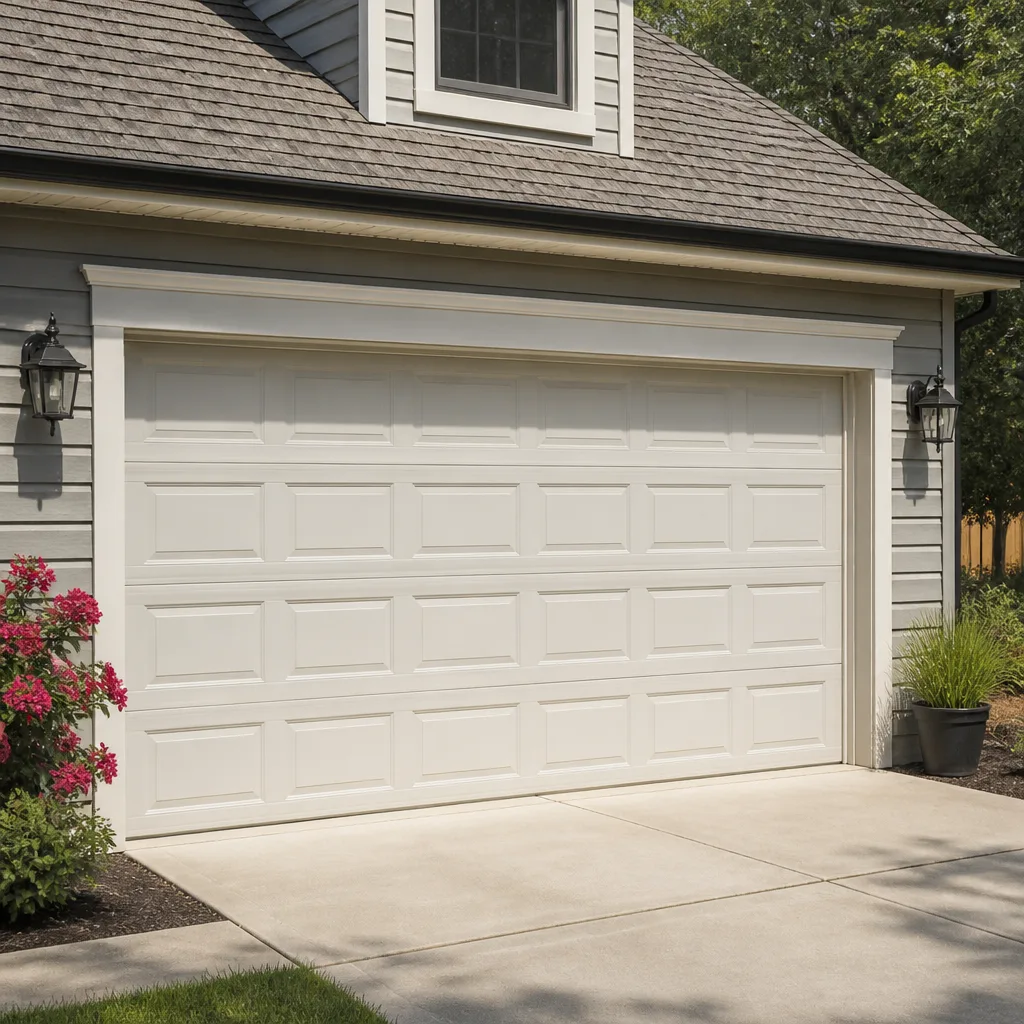 Raised-panel steel
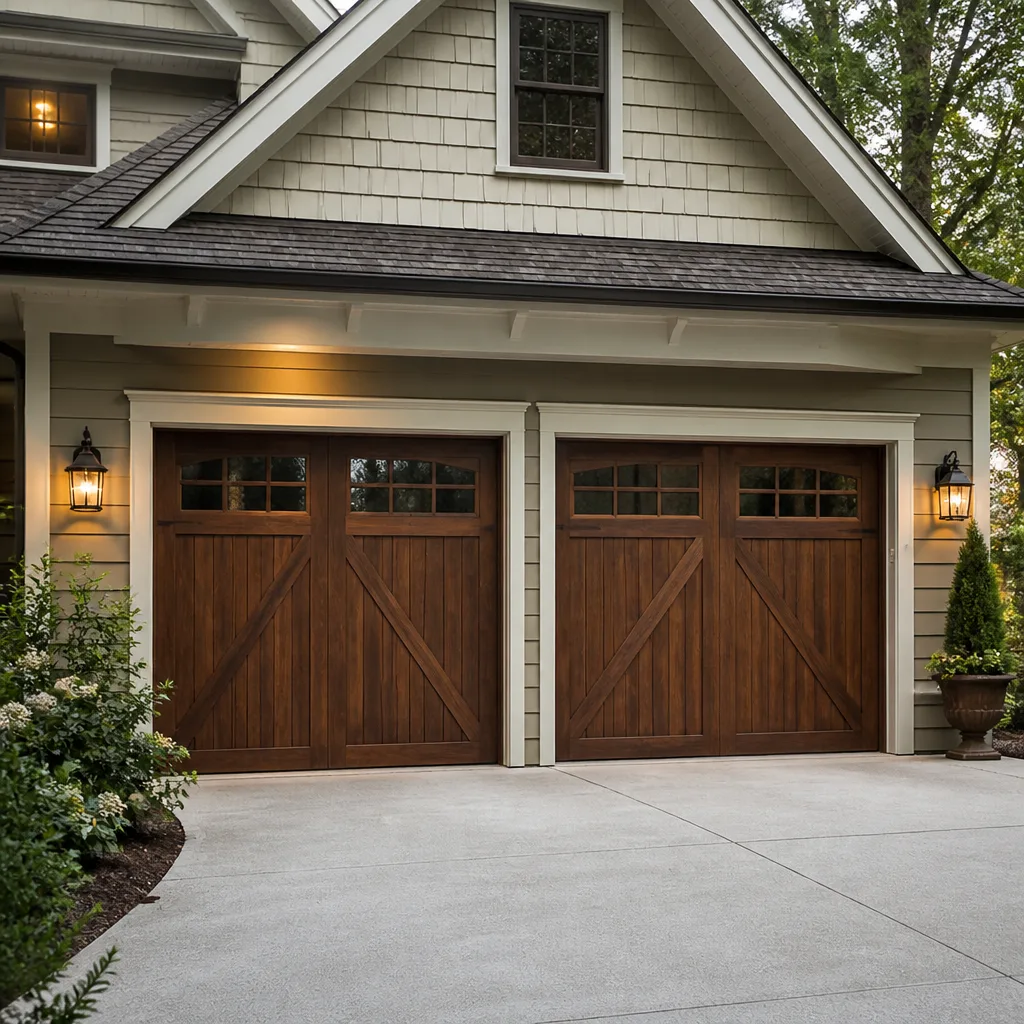 Carriage house
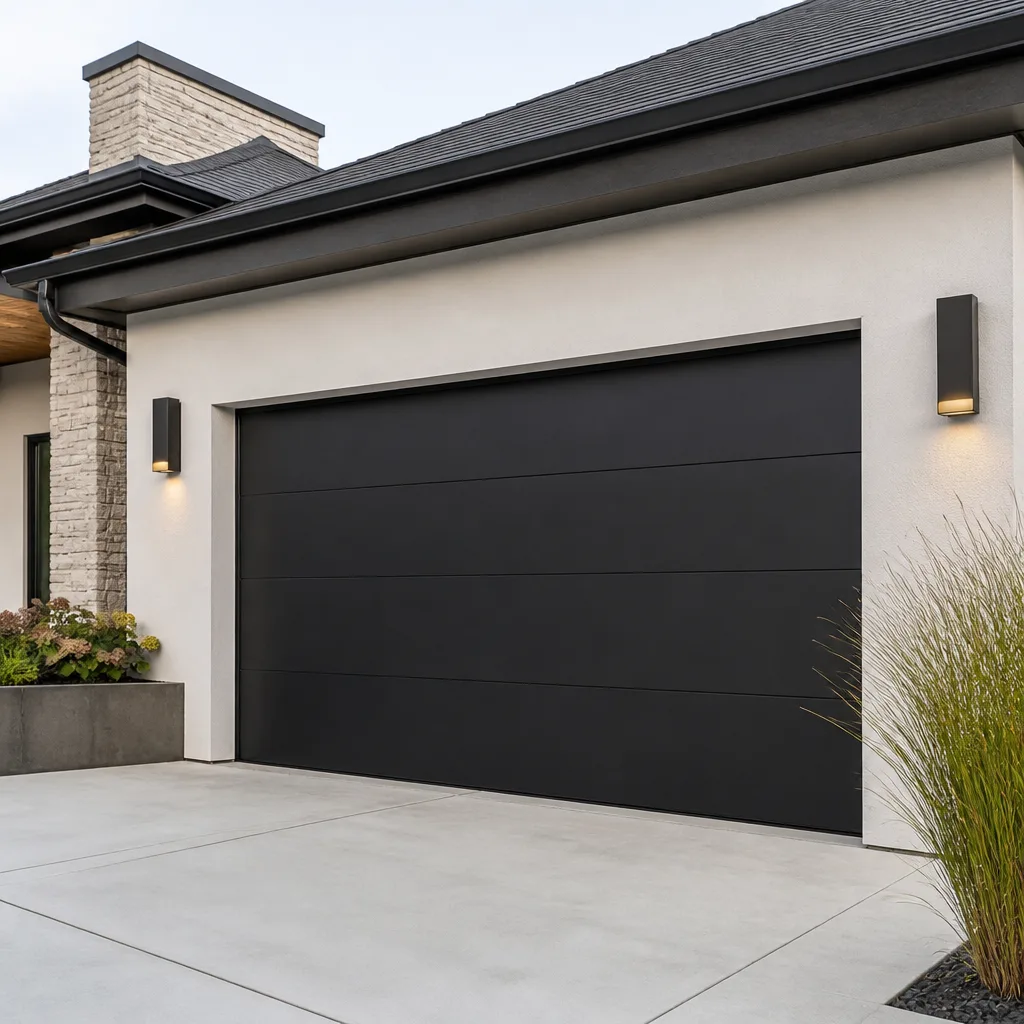 Modern flush
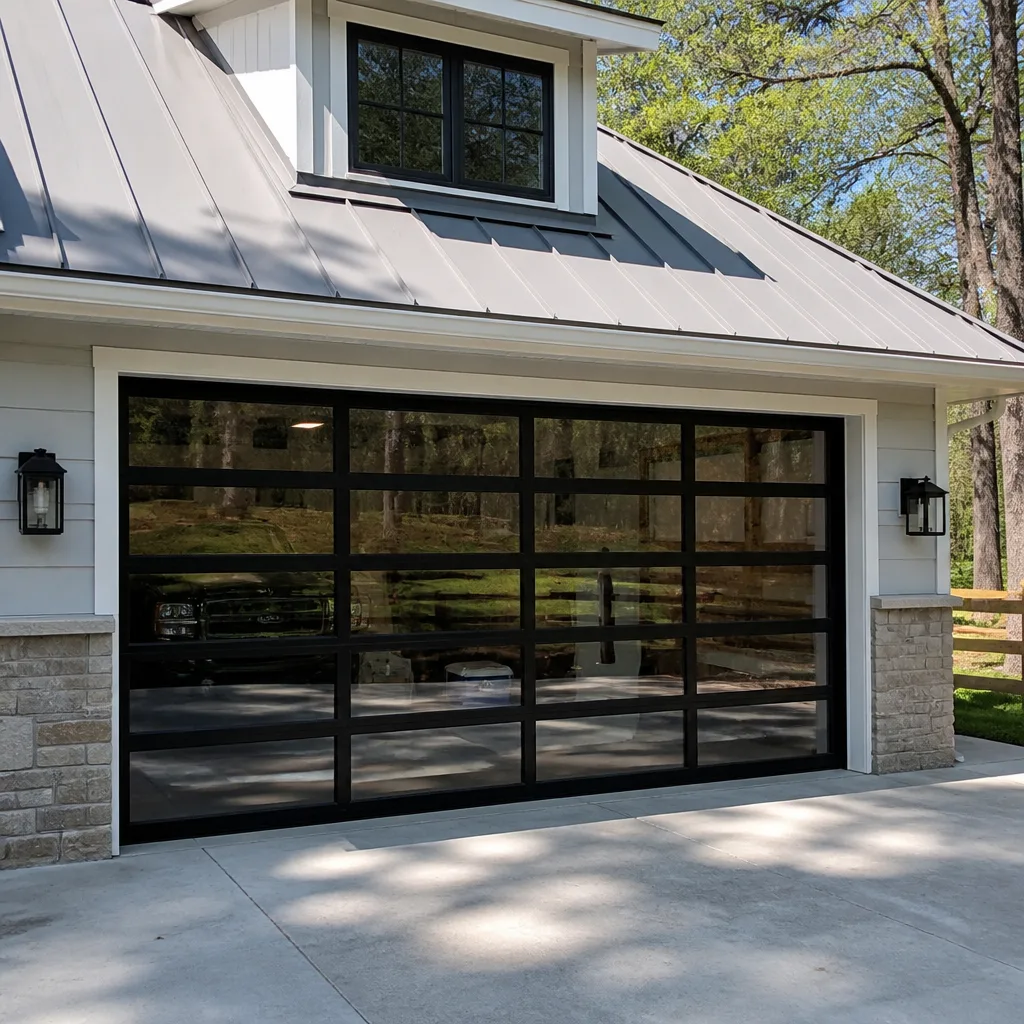 Full-view glass
 LiftMaster openers
 Chamberlain openers
Full 25-point door and opener safety check with every visit - springs, cables, rollers, tracks, and your LiftMaster or Chamberlain opener included
You get a price before we start. It does not change when the pro arrives.
Get your free estimateGarage Door Emergency Preparedness Guide for Edina Homes
Most garage door emergencies get worse in the first fifteen minutes, and almost always because of something the homeowner did on purpose. When a door won’t open with the car trapped inside at 6 a.m. in January, the instinct is to force it, yank the red cord, or keep cycling the opener until something gives. Each of those moves can turn a straightforward spring failure into a bent track, a stripped gear, or a door hanging off its hinges. In Edina, these failures cluster around the first hard freeze and the deep cold snaps that follow, because cold makes steel brittle and shrinks the tolerances everything runs on. This guide walks through what to do, what never to do, and the two things worth having on hand before anything breaks.
Quick Answer
A garage door emergency in Edina is best handled by stopping all movement of the door, leaving the emergency release alone unless a car is trapped and you’ve read the disengagement steps below, and calling a garage door specialist. The first fifteen minutes decide whether you’re looking at a spring replacement or a spring plus tracks, cables, and an opener rebuild. We answer 24/7 at (855) 658-3994, with fast dispatch from 7am to 7pm.
Styles & brands we work with
- Raised-panel steel
- Carriage house
- Modern flush
- Full-view glass
- LiftMaster openers
- Chamberlain openers
Table of Contents
- Why Edina Garage Doors Fail in Predictable Patterns
- Emergency 1: The Door Won’t Open and the Car Is Inside
- Emergency 2: The Door Is Stuck Open in Winter
- Emergency 3: The Door Is Off Its Tracks
- How to Use the Emergency Release Cord Without Damaging Anything
- What to Do When You Hear a Spring Break
- Securing an Open or Unlocked Door While You Wait
- Pre-Emergency Prep: Two Things to Know Before Anything Fails
Why Edina Garage Doors Fail in Predictable Patterns
Garage door failures aren’t random. In Edina they follow the weather. The first sustained cold snap of the season, usually somewhere in late November or December, is when torsion and extension springs snap at the highest rate. Steel that has been cycling all summer at 70 degrees doesn’t like being asked to do the same job at zero. The metal gets less forgiving, the lubricant thickens, and a spring that was already near the end of its fatigue life gives up on the first cold morning the door gets used.
The second pattern is age clustering. Edina has a lot of housing stock from the 1960s through the 1990s, and a large share of those homes still have their original openers or a chain-drive unit installed a couple of decades ago. Those openers work fine until they don’t, and the failure usually shows up as a stripped gear, a failed capacitor, or a logic board that quits after a power flicker. Homes in the Countryside and Highlands neighborhoods see the same thing: older LiftMaster and Craftsman units that have never had a gear or capacitor replaced.
The third pattern is usage. A household that runs the door six or eight times a day puts roughly 2,500 to 3,000 cycles on the system per year. Most springs are rated for a cycle count, not a calendar age, so a busy household wearing out a spring in year eight while a quieter one gets twelve years from the same hardware is completely normal. That’s why we ask about cycles, not just age, when a customer calls.
What this means for you is simple. If you know your door is older, or if the temperature just dropped twenty degrees overnight, treat the next few mornings as higher risk. Watch and listen. A door that starts moving slower, sounds rougher, or hesitates before it lifts is telling you something.
Emergency 1: The Door Won’t Open and the Car Is Inside
This is the classic Edina morning emergency: you’re dressed, the car is loaded, and the door won’t budge. How you handle the next ten minutes determines whether the repair is a spring and nothing else.
- Stop pressing the button. If the opener runs but the door doesn’t move, or the door moves an inch and stops, you have a broken spring or a snapped cable. Cycling the opener repeatedly drives the motor against a dead load and can strip the gear or burn out the logic board. One or two tries to confirm the symptom is enough.
- Look at the springs. From a safe distance, without touching anything, check the torsion bar above the door or the extension springs along the horizontal tracks. A visible gap in a torsion spring, or an extension spring stretched out and hanging loose, confirms the diagnosis.
- Check the opener’s behavior. If the motor hums but nothing moves, that points to the spring or a stripped opener gear. If the opener clicks and the light flashes but there’s no motor sound, the problem may be the opener itself, not the door.
- Don’t force the door up by hand. A door with a broken spring weighs far more than it looks. Trying to muscle it open can bend the tracks, kink a cable, or bring the whole door down.
- Use a side door if you have one. If the garage has a service door to the house or the yard, use it and leave the overhead door alone. The car stays parked and the repair gets scheduled without any secondary damage.
- Only if you have no other exit, disengage the opener correctly. Follow the release cord steps below. Never do this with the door partially open. Only with the door fully closed.
If your opener is a modern LiftMaster with a wall-mounted battery backup, the door may still lift once or twice after a power outage. That’s a convenience, not a fix. If the spring is broken, the backup will lift the door a few times and then the battery drains and you’re stuck again.
Call us with the door still closed and we can usually diagnose over the phone and book the right part. If you need repair today, garage door repair covers same-day service for exactly this situation.
Emergency 2: The Door Is Stuck Open in Winter
A door stuck open in January is a security problem, a heat loss problem, and a snow-drift-into-the-garage problem all at once. The most common causes are a broken spring on the way down, a photo-eye misalignment, a limit switch that’s drifted, or a track obstruction the door hit and reversed on.
Start by confirming what the opener is doing. If the door goes up fine but reverses immediately on the way down, the safety sensors are the first suspect. The two photo-eye lenses at the bottom of the tracks need a clear line of sight. Snow, ice, dirt, a spider web, or a bumped bracket will interrupt them. Wipe both lenses and check that the small indicator lights on each unit are solid, not blinking. If one is dark, the alignment or the wiring is the issue.
If the sensors are clean and aligned and the door still reverses, look at the tracks near the floor. A small obstruction, an ice chunk, or a bent track flange will trip the reversal. Never ignore a door that reverses. The reversal is the safety system telling you it detected resistance, and forcing the door down by holding the button is the most common way homeowners break the opener’s gear assembly.
If the door won’t move at all and just hangs there, the spring or the opener is dead. In that case:
- Close the door manually only if the spring is intact and the door is light. If a spring is broken, do not attempt to close it by hand.
- If you can’t close it, secure the opening with a temporary barrier (see the security section below) and keep the garage’s interior door locked.
- Call us. A door stuck open in cold weather is treated as urgent because the longer it stays open, the more likely the tracks fill with snow and the door’s own weight causes damage.
We work on your brand, not just one we’d prefer to sell. Whether your opener is a Genie, a Chamberlain, or a Raynor unit, our technicians are trained across eight of the major manufacturers because the door you have is the door that needs fixing. For opener-specific problems, garage door opener repair is the right call.
Emergency 3: The Door Is Off Its Tracks
A door off its tracks is the one situation where homeowners most often make the damage worse. The door is jammed at an angle, one side higher than the other, and the rollers have popped out of the curved track sections. It looks like something you can nudge back in. It isn’t.
The reason is load. A garage door is under constant tension from its springs and cables. When a roller leaves the track, that tension is no longer balanced, and the door can drop, twist, or tear away from the hinges with almost no warning. A door hanging off one track has killed people. This is not the moment to try to save a service call.
What to do:
- Clear the area under and around the door. Move the car if it’s outside the path, move anything under the door, and keep children and pets out of the garage.
- Do not touch the door, the tracks, or the rollers. Don’t try to lift, push, or straighten anything.
- Do not operate the opener. Cycling the opener on an off-track door can pull the door fully free of its mountings.
- If the door is partially open, block the opening from the inside with a ladder or a heavy object so no one walks under it, and close the service door.
- Call for emergency service. An off-track door needs a technician with the right tools to safely lower the door and re-seat it. This is a two-person job with the springs de-tensioned first.
Homeowners in Edina who call us early with an off-track door usually end up with a track realignment and new rollers. Homeowners who try to force it back often end up replacing the tracks, the hinges, and sometimes the panels. That’s the difference the first fifteen minutes makes.
How to Use the Emergency Release Cord Without Damaging Anything
The red emergency release cord on your opener is one of the most misunderstood parts of the whole system. Pulling it detaches the door from the opener’s trolley. It does not fix anything, and in some situations pulling it makes the repair more expensive. Knowing when to pull it and when to leave it alone is the single most useful skill in this guide.
When to pull it: only when the door is fully closed, the spring is intact, the door moves freely by hand, and you have no other way to exit the garage. This is a safety-of-last-resort exit, not a repair step.
When never to pull it:
- The door is partially open. The door will drop under its own weight the moment it disconnects from the opener, and a door with a broken spring weighs much more than its rated balance. People get hurt doing this.
- A spring is broken. The door isn’t balanced, and pulling the cord means you’re now holding the full weight with your hands.
- The door is off its tracks. Detaching it from the opener frees it to fall.
- The car is inside but there’s a service door. Use the service door.
How to re-engage it afterward: this is where homeowners often cause the next problem. Once the door is disconnected, the trolley is in a different position than the door. To reconnect, you need to run the opener until the trolley carriage clicks back onto the release arm. On a chain-drive opener, that means pressing the wall button once with the door disconnected and listening for the trolley to travel to the correct position. On a belt-drive unit, it’s similar. If the trolley won’t engage, don’t force it. That’s a sign the door and the opener are out of alignment, which usually means something else is wrong.
If the release cord has been pulled and you can’t get the door reconnected, that’s the call. We can re-engage it and diagnose why it disengaged in the first place.
What to Do When You Hear a Spring Break
The sound is loud and unmistakable, like a gunshot from inside the garage. You’ll know it happened before you see it. The spring, either the torsion spring on the bar above the door or one of the extension springs along the track, has just failed. Here’s what to do, and what not to do.
What to do:
- Stay out of the garage if the door is open. A door with a broken spring can come down on its own.
- Look at the door from a safe distance. Don’t walk under it. Confirm it’s still fully closed and resting on the floor.
- Stop using the opener. Don’t press the button to see if it works.
- Keep the door closed until a technician arrives. If you have a service door, use it. The overhead door stays shut.
- Call for spring repair. Spring repair is a named, standalone service for a reason. It’s the highest-risk, most technically demanding repair in the trade.
What not to do:
- Don’t try to raise the door. A door with one broken spring on a two-spring system still has the other spring under full tension, and it’s now carrying twice its designed load.
- Don’t touch the torsion bar, the winding cones, or the cables. Torsion springs are wound with hundreds of pounds of stored energy. A slip with the wrong tool can break a wrist or worse.
- Don’t try to cut or remove a broken spring yourself. Even a broken spring has residual tension, and the winding procedure on a replacement spring requires specific rods and specific technique.
- Don’t put the door back into service with one broken spring “for now.” That’s how you end up with two broken springs and a bent torsion bar.
Spring repair is a job we do in-house. We don’t outsource it because it’s the repair that most often reveals whether the technician actually knows the trade. On a two-spring door, the springs are almost always replaced as a matched pair, since putting a new spring next to a tired one is how you get a callback in a few months.
Securing an Open or Unlocked Door While You Wait
A garage door that’s stuck open or won’t latch is a security hole. If you can’t close it and you’re waiting for a technician, bridge the gap with a temporary measure that doesn’t damage the door or the tracks.
- Lock the interior service door. This is the single most important step. If the garage connects to the house, that door is now your front line. Make sure it’s locked and not just closed.
- Block the opening from the inside if the door is fully open. A heavy vehicle parked sideways in the opening, a line of storage bins, or a rabbit fence across the threshold stops casual entry. Don’t climb over the door or prop it with anything that could fall.
- Use a manual lock if your door has one. Many older doors, including a lot of Wayne Dalton and Raynor models, have a slide-bolt lock on the inside. With the door fully closed, engage it.
- If the door is partially open and won’t budge, secure the gap from below, not above. Stack sturdy bins or a piece of plywood at the opening on the inside of the garage, not under the door. Never put anything under a partially open door that could get crushed and shift.
- Turn on exterior lighting. A garage that’s illuminated is less attractive to opportunistic theft than a dark one. Motion-sensor lights are worth having on hand for exactly this reason.
Don’t nail or screw anything into the door or the tracks. That creates a second repair, and it voids the door’s balance. The goal here is to make the opening inconvenient, not to build a fortress.
Pre-Emergency Prep: Two Things to Know Before Anything Fails
Every Edina homeowner should have two pieces of information ready before a door fails. Not equipment, not tools. Just two facts.
One: the make and model of your opener and your door. Write it down on a piece of tape on the inside wall of the garage, or a note on your phone. When the door fails at 6 a.m., you don’t want to be on your hands and knees with a flashlight looking for a model plate. Knowing whether you have a LiftMaster or a Craftsman opener, a belt-drive or a chain-drive, and whether the door is steel or wood saves the technician a step and gets you a faster diagnosis.
Two: the annual service window. The best time to have a garage door inspected in Edina is in the fall, before the first hard freeze. A technician can measure spring tension, check cable wear at the drums, inspect rollers for flat spots, test the reversal on the safety system, and lubricate the moving parts with cold-rated lubricant. A door that gets this once a year fails less often, and when it does fail it fails in a way that’s easier to repair. A pre-winter tune-up is a scheduled job, not an emergency, and the price is set by a written estimate before work starts.
Two more things worth knowing: the location of your emergency release cord (it’s the red handle hanging from the trolley), and whether your opener has a battery backup. If it does, keep the battery fresh. If it doesn’t, a power outage in a storm means the door has to be operated by hand, which is only safe if the spring is intact.
One safety note worth repeating: never get on a ladder to inspect springs, cables, or the torsion assembly yourself. The stored energy in a wound torsion spring is enough to cause serious injury even when the door is closed. If anything looks off up there, that’s a job for a technician. Our technicians have up to 10 years of experience, and every one of them has seen what a homeowner’s well-intentioned inspection can turn into.
If you’re planning ahead instead of reacting, garage door installation is the right starting point when the door itself is at the end of its life, not just the spring.
Common Mistakes to Avoid
- Pulling the release cord with the door partially open. The door will drop under its own weight. If a spring is broken, that drop is not gentle. Never pull it unless the door is fully closed and the spring is intact.
- Cycling the opener to “check if it works now.” A broken spring means the opener is pushing against the dead weight of the door every time you press the button. Each press can strip the gear or burn out the logic board.
- Holding the wall button down to force a reversing door closed. This defeats the safety system and is the fastest way to bend a panel. The reversal exists because the door detected something. Find out what.
- Using a general handyman for a spring or cable repair. Garage doors are the only trade we handle, and there’s a reason. Springs, cables, and torsion assemblies require specific tools and specific knowledge. A generalist fixing a door is a risk to the door and to themselves.
- Ignoring a slow or noisy door for months. A door that shudders, squeals, or hesitates is telling you the rollers, hinges, or spring tension are off. Waiting until it fails in January means an emergency repair in the cold instead of a scheduled one in October.
- Lubricating the tracks. Tracks should be clean and dry. Lubricant on the tracks attracts grit and makes the rollers slide instead of roll, which accelerates wear. Lubricate the hinges, rollers, and spring, not the track.
- Leaving the garage-to-house door unlocked while the overhead door is stuck open. That interior door is the actual security line. Lock it every time the overhead door is compromised.
See the difference
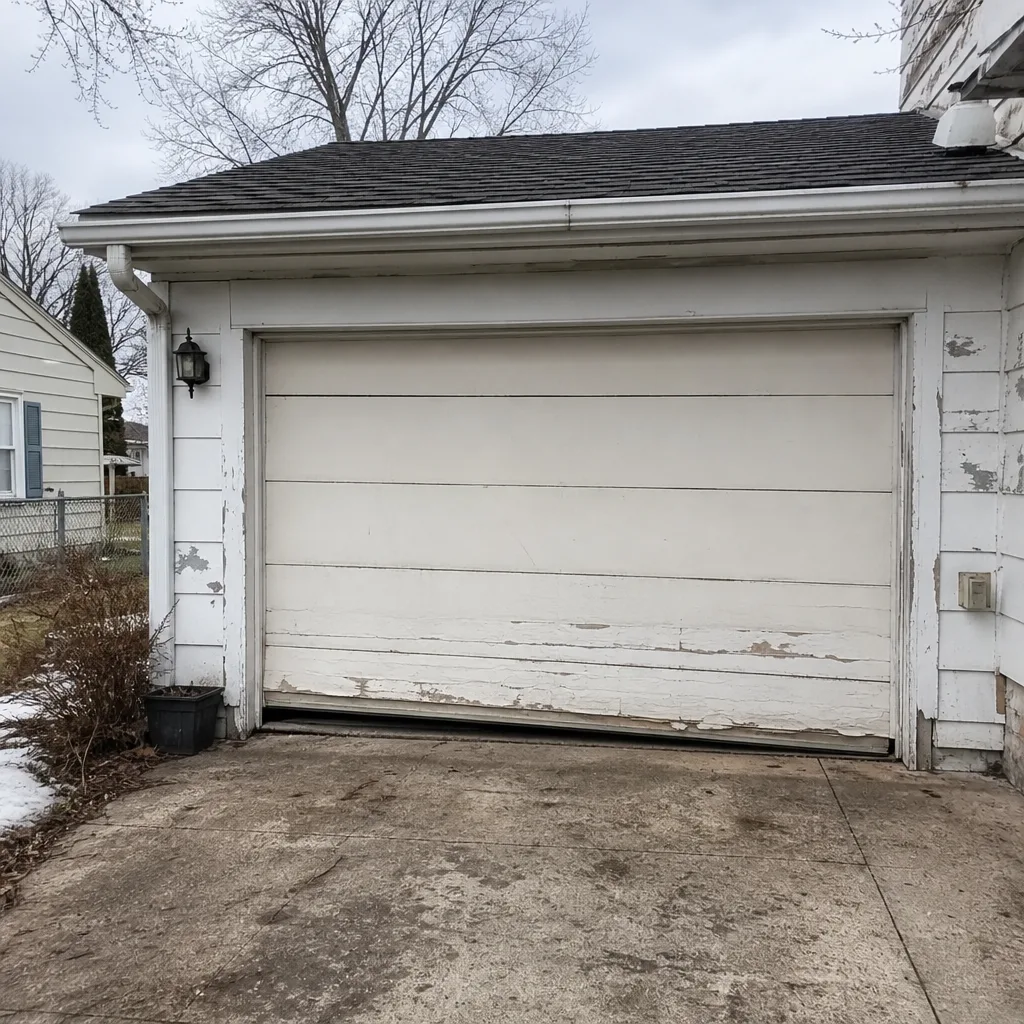 Before
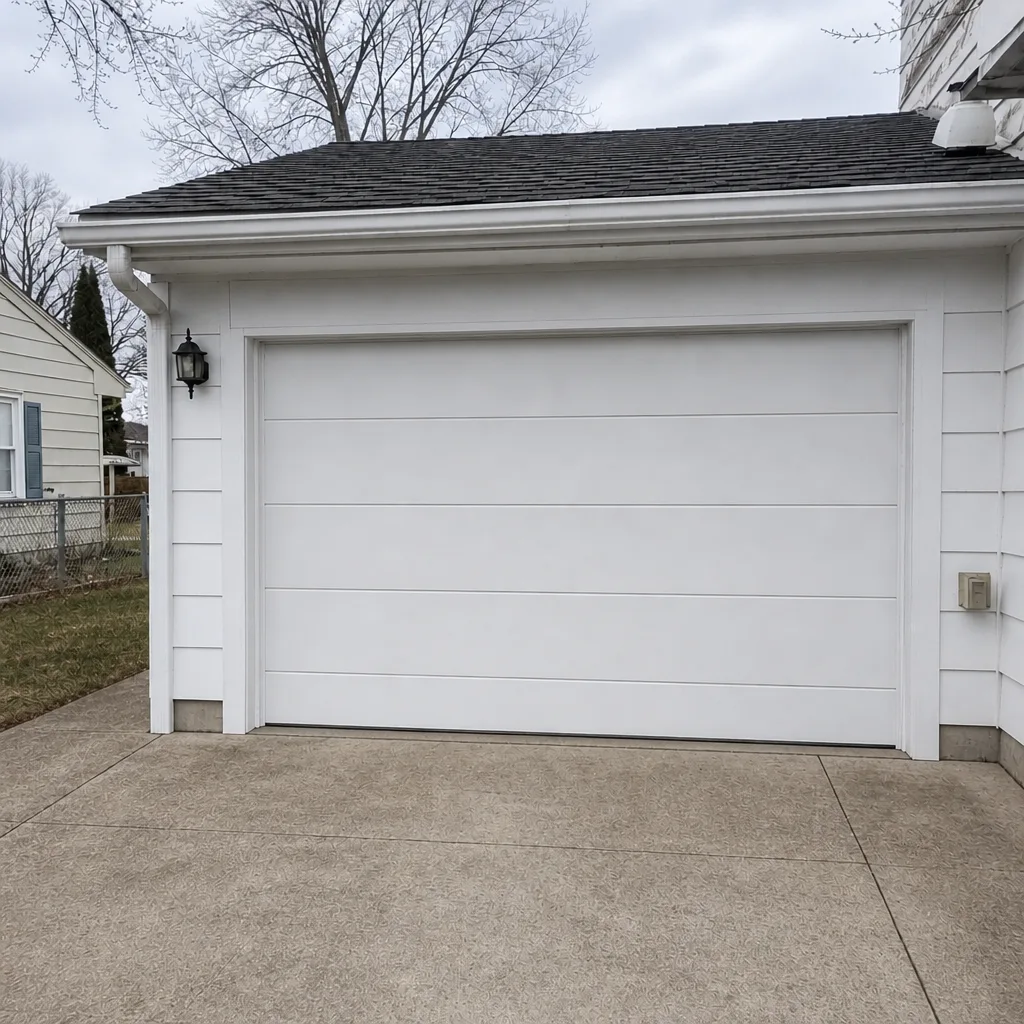 After
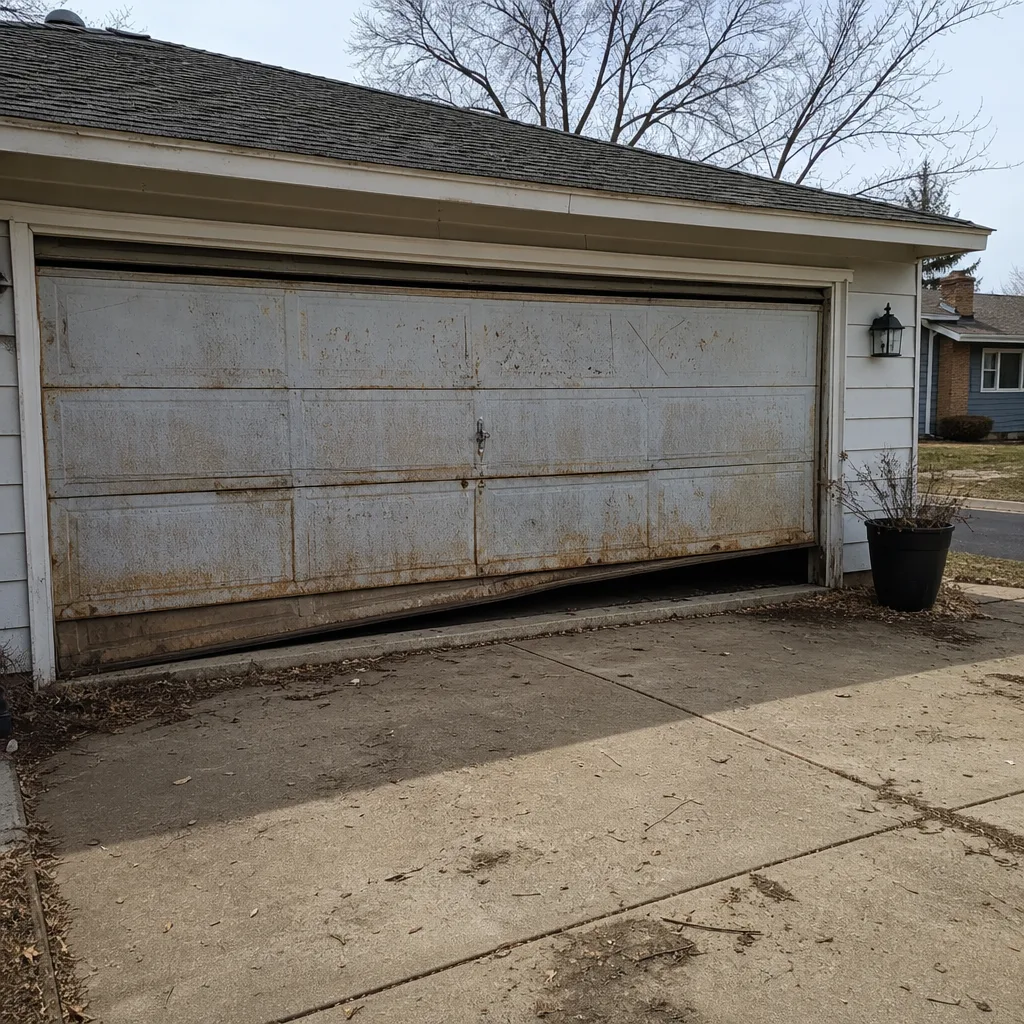 Before
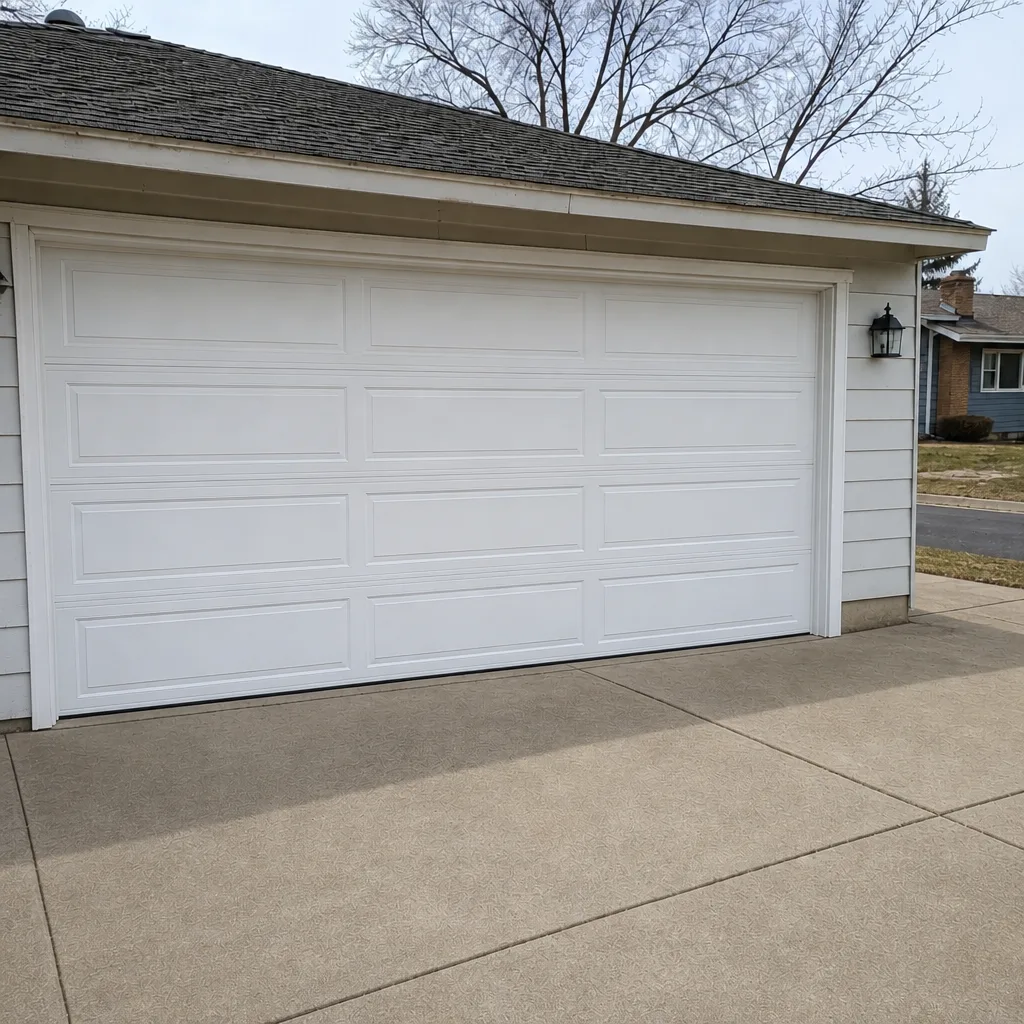 After
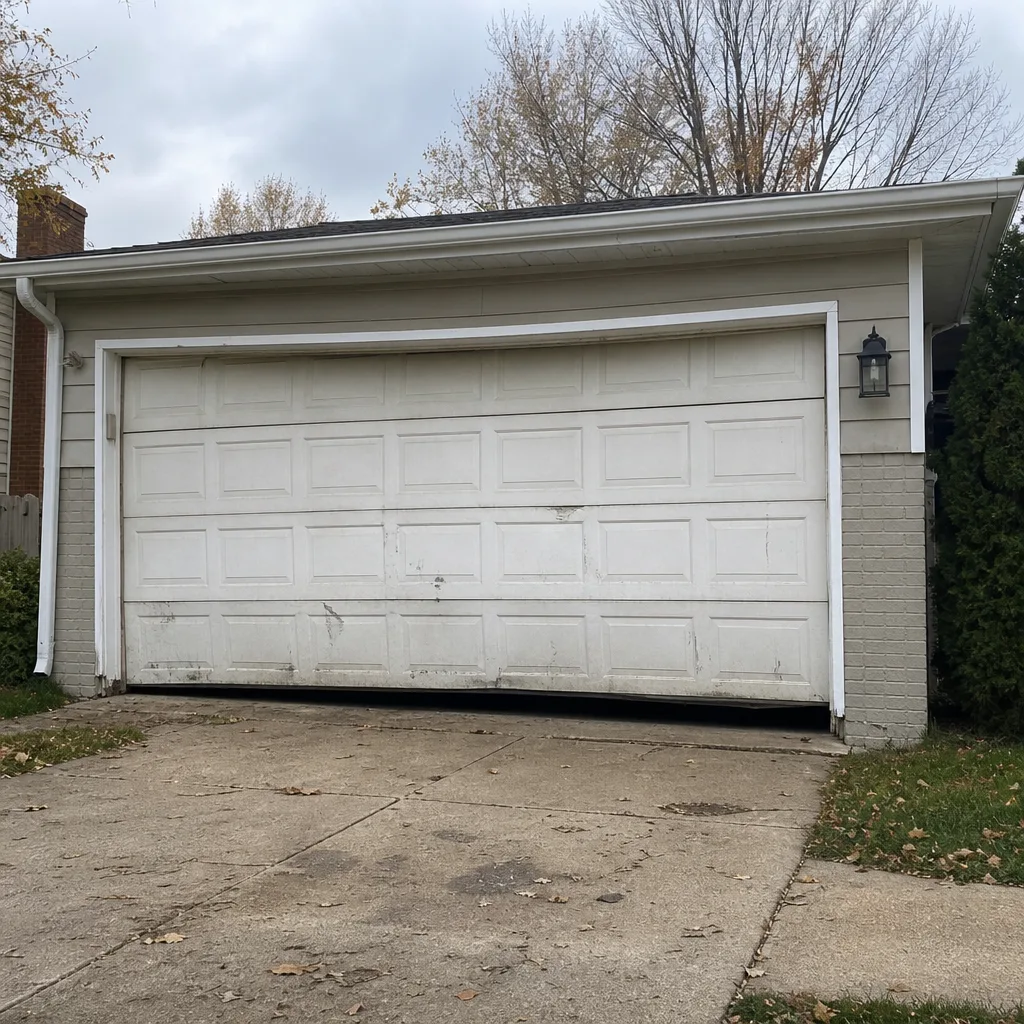 Before
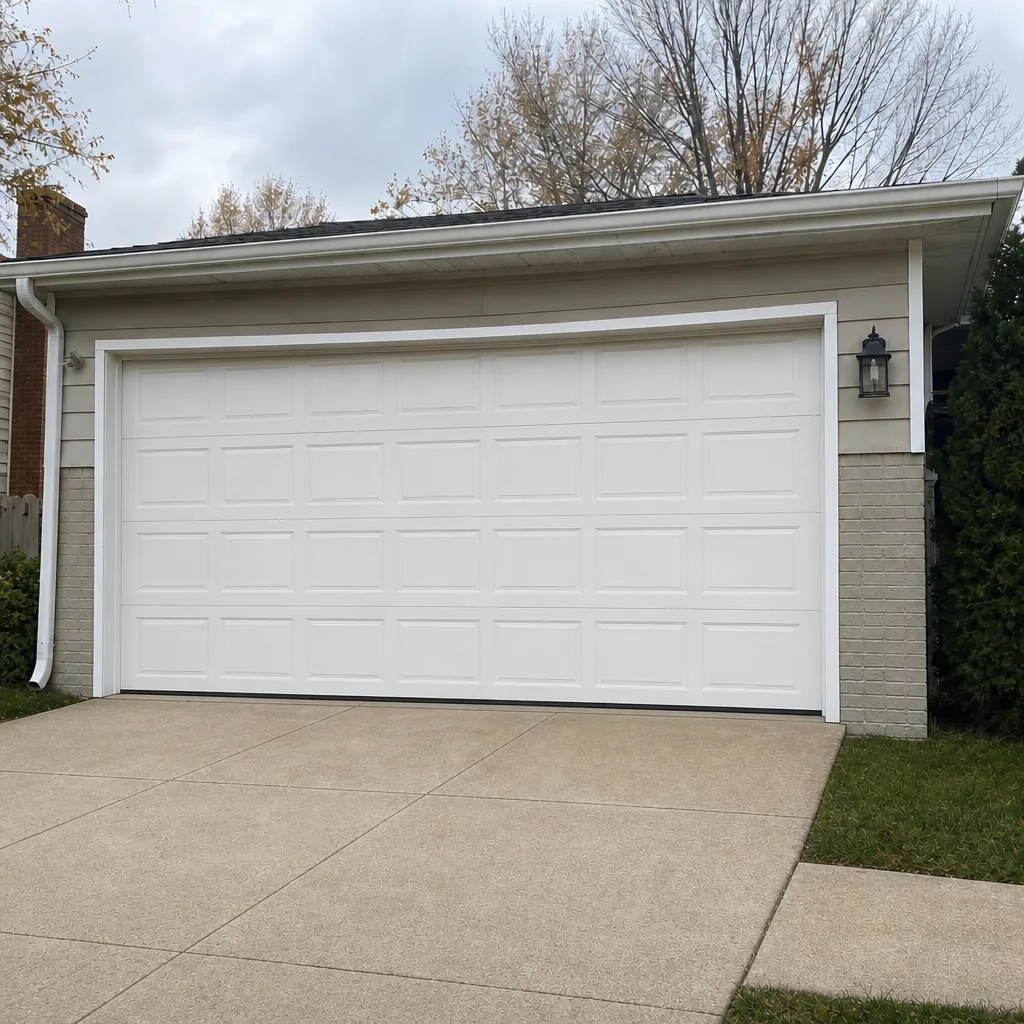 After
When to Call a Professional
Call a professional the moment you see a broken spring, a snapped cable, a door off its tracks, or a door that has come down hard and won’t lift. Don’t wait for a convenient time. Also call if the opener runs but the door doesn’t move, if the door reverses on its own, or if the door is stuck open and you can’t secure it. These are the situations where the next attempt to fix it yourself is what makes the repair expensive. The one exception is a simple sensor misalignment or a remote that needs a new battery; those are homeowner-level.
Garage Door Repair Edina offers free estimates in Edina. Call (855) 658-3994. We answer 24/7. Fast dispatch from 7am to 7pm, Sunday through Friday. The price is quoted and agreed before any work starts, and the written estimate sets the final price.
Frequently Asked Questions
Stop pressing the opener button and look at the springs from a safe distance. If you see a gap in the torsion spring or a stretched extension spring, the door has a broken spring and the opener can’t be run until it’s repaired. If the springs look intact, check the photo-eye sensors near the floor for dirt or misalignment. Either way, don’t force the door up by hand. Call (855) 658-3994 for a same-day diagnosis.
Spring repair in the Edina area typically runs about $180 to $340 for a single spring, and a matched pair is usually replaced together, so a pair runs roughly double that. The exact price depends on the spring size, the door’s weight, and whether the cables or drums also need attention. We quote before any work starts, so the written estimate is the price. Call (855) 658-3994 for a free estimate.
Only if the spring is intact and the door is fully closed. Pull the red release cord once, then lift the door slowly by hand. If the spring is broken, the door is too heavy to lift safely and pulling the cord can let it drop. Once the power is back, the door may need to be re-engaged to the opener’s trolley, which is a two-person job on most doors. If the trolley won’t re-engage, that’s the call to make.
It means a roller has left the track, usually after an impact, a worn hinge, or a broken cable. The door is unbalanced and can fall without warning. Don’t touch it, don’t run the opener, and don’t try to push the roller back in. Keep people out of the garage and call for emergency service. We answer 24/7 at (855) 658-3994. Fast dispatch from 7am to 7pm, Sunday through Friday.
The repair itself is the same, but the failure rate is higher because cold makes springs brittle, so Edina sees a spike in broken springs at the first hard freeze. If one spring breaks on a two-spring door, we usually recommend replacing both as a pair, since a new spring next to a fatigued one tends to fail within months. The price for a pair is roughly double the single-spring range. Call (855) 658-3994 for a free estimate.
The local professional we connect you with is licensed and insured as their state requires. We work on the brand you have, including LiftMaster, Chamberlain, Genie, Clopay, Amarr, Wayne Dalton, Craftsman, and Raynor, and garage doors are the only trade we handle. Every job is quoted and agreed before work starts. Call (855) 658-3994 for a free estimate.
The Bottom Line
Most Edina garage door emergencies follow the weather and the age of the equipment, and most of the damage happens in the first fifteen minutes. Stop the door, don’t force it, don’t pull the release cord unless the door is fully closed and you have no other exit, and don’t run the opener after a spring breaks. Two prep steps make all the difference: know your opener and door model, and get the door serviced in the fall before the first hard freeze. If something fails, call a specialist who does garage doors only. Our technicians have up to 10 years of experience, we service eight of the major brands, and every job is quoted before it starts.
For same-day help anywhere in Edina, call (855) 658-3994. We answer 24/7. Fast dispatch from 7am to 7pm, Sunday through Friday. Browse our Garage Door Repair Edina page to see what a first visit looks like.
Written by the team at Garage Door Repair Edina.