
Last updated November 22, 2026
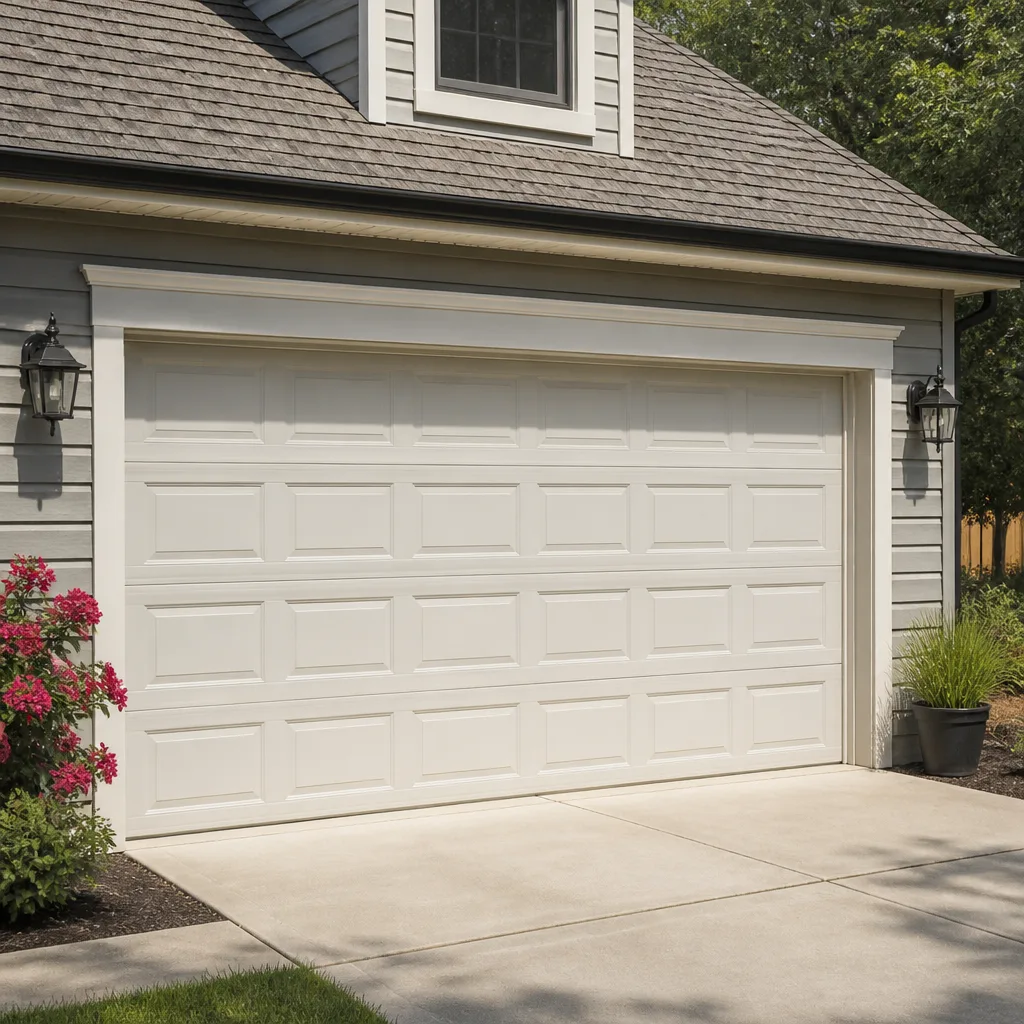 Raised-panel steel
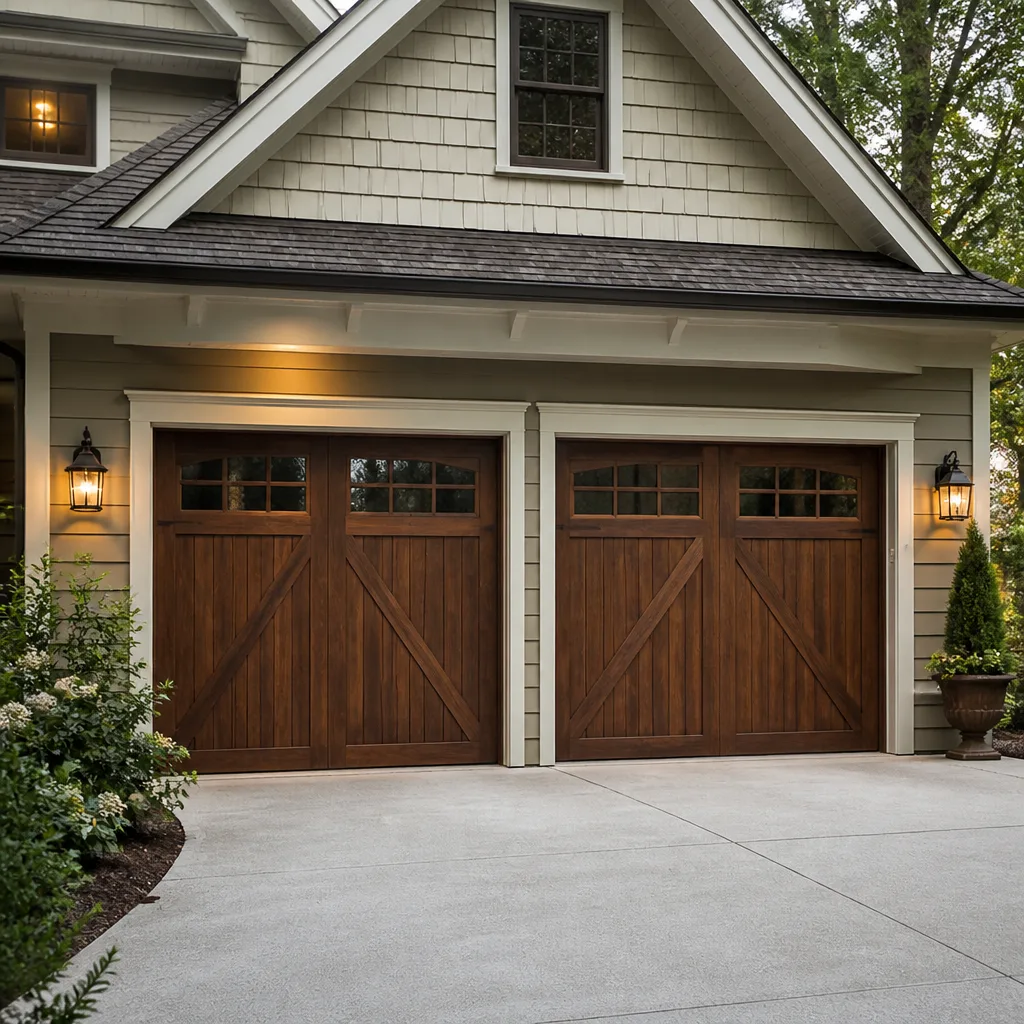 Carriage house
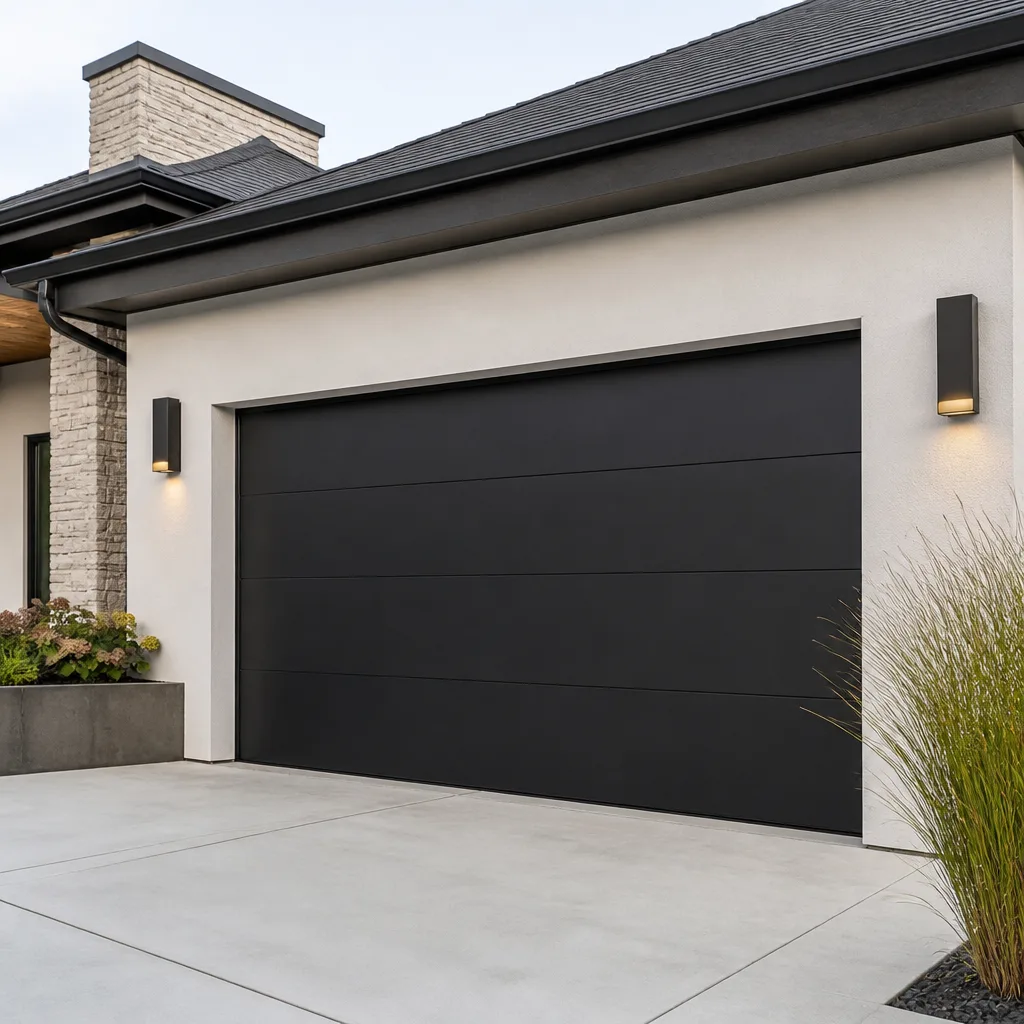 Modern flush
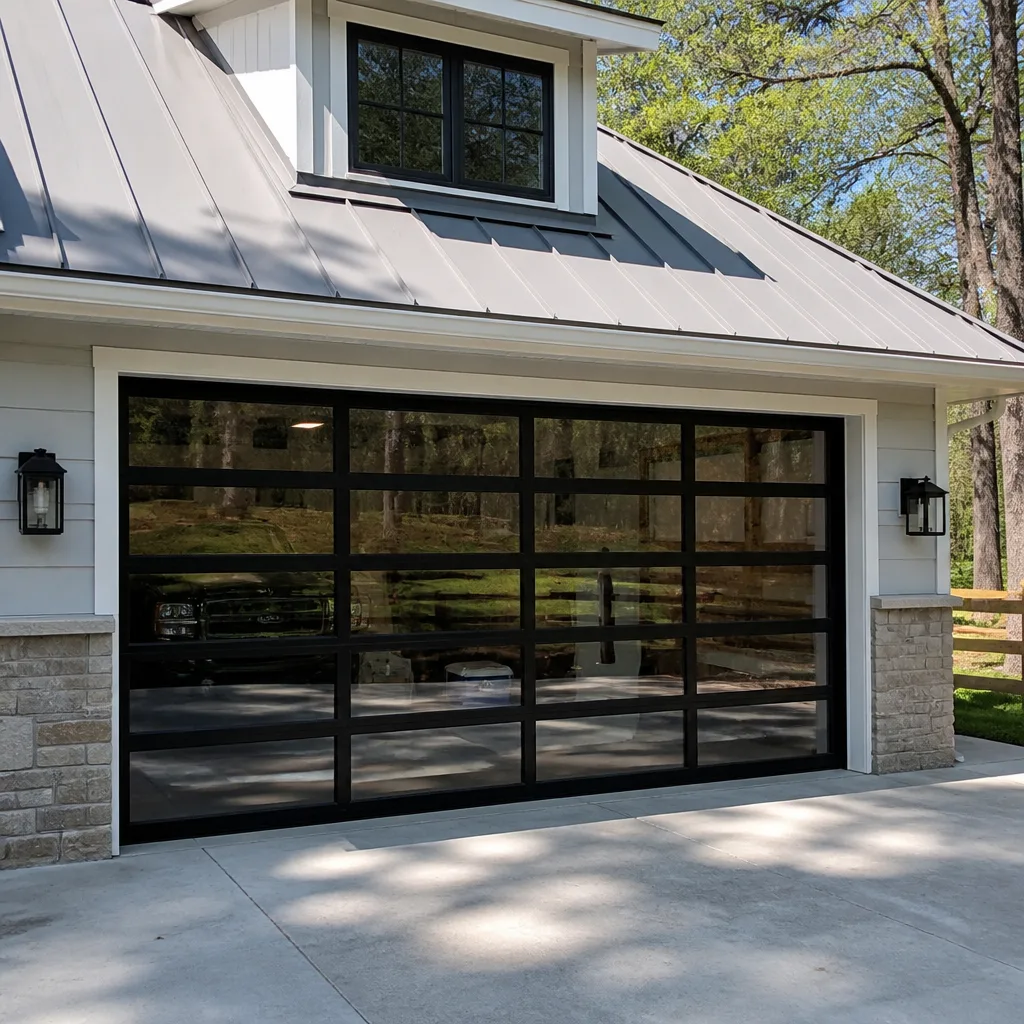 Full-view glass
 LiftMaster openers
 Chamberlain openers
Full 25-point door and opener safety check with every visit - springs, cables, rollers, tracks, and your LiftMaster or Chamberlain opener included
You get a price before we start. It does not change when the pro arrives.
Get your free estimateGarage Door Repair Maintenance Checklist for Edina Homeowners
A garage door spring that fails in March didn’t break in March. The stress fracture started accumulating back in October, when the first hard freeze hit and the temperature swings began and nobody thought to check the tension. That’s the thing most maintenance checklists get wrong: they’re written for warm climates where a garage door is basically lawn equipment – something you look at when it squeaks. A door in Edina lives through a much harder cycle, and the parts that fail are the ones nobody inspects. What follows is a task-by-task protocol with real pass/fail criteria, organized around how a door actually ages in Minnesota. You’ll learn what to lubricate (and what not to), how to run a balance test that tells you something, and which jobs are safe to do yourself.
Quick Answer
A garage door maintenance checklist for Edina homeowners should cover six things: lubrication of the correct points with the correct product, a manual balance and tension test, a visual inspection of the torsion springs for micro-cracking and rust pitting, weather seal inspection tied to the frost line and ice heave at the door’s base, a safety-reverse and photo-eye test, and a hardware torque check. Do the DIY-safe items monthly in winter and quarterly the rest of the year. Spring, cable, and track re-alignment work belongs with a trained technician because those components are under extreme tension and can cause serious injury.
Styles & brands we work with
- Raised-panel steel
- Carriage house
- Modern flush
- Full-view glass
- LiftMaster openers
- Chamberlain openers
Table of Contents
- Why Edina Garage Doors Age Differently
- Lubrication: The Right Product on the Right Points
- The Balance and Tension Test
- Spring Inspection: Reading the Warning Signs
- Weather Seals, Frost Lines, and Ice Heave
- Safety Reverse and Photo-Eye Testing
- The Seasonal Maintenance Calendar
- What’s DIY-Safe and What Needs a Pro
Why Edina Garage Doors Age Differently
Edina sits in a climate that puts a garage door through roughly two full thermal cycles a year – an extreme one between October and April, and a milder one in late spring and fall. Each cycle expands and contracts the metal tracks, the hinges, the springs, and the door panels themselves. Over a few seasons that expansion and contraction loosens fasteners, widens gaps at the seals, and works hard on the steel of the springs. A door that lives in a mild climate may run for a decade or more with almost no attention. The same door here starts telling you it needs attention within a couple of years.
There’s a second factor homeowners rarely think about: the freeze-thaw pattern at ground level. Snow melts off your car in the garage, runs to the base of the door, and refreezes overnight. That ice has real lifting power. It heaves the bottom weather seal, sometimes cracks the bottom panel, and can lift a door slightly off its closed position so the opener has to work harder every morning. Left alone, that repeated load adds stress to the opener’s gears and to the spring tension.
In neighborhoods across Edina – from the established blocks near the Country Club District to the newer builds on the city’s western edge – we see the same pattern: doors that are mechanically sound but poorly maintained until something fails. The maintenance matters most because the failure is expensive and untimely.
One more thing worth understanding up front. The brand on your door matters for how the parts wear and what replacement pieces fit. We work on the brand you have – Clopay, Amarr, Wayne Dalton, and Craftsman are all familiar territory, along with LiftMaster, Chamberlain, Genie, and Raynor openers. Maintenance advice should be specific to your actual door, not a generic list.
Lubrication: The Right Product on the Right Points
The single most mishandled maintenance task is lubrication. Almost every guide says “lubricate moving parts,” which tells you nothing useful. The wrong product, or the wrong point, can turn a quiet door into a fast-wearing one. Here’s what actually works and where it goes.
What to use
- White lithium grease or a silicone-based garage door lubricant for hinges, rollers (the metal shaft only), and the spring coils.
- Do not use WD-40 or any thin penetrating oil as a substitute. It cleans away protective film and attracts dust, leaving metal drier than before.
- Do not use heavy chassis grease or wheel bearing grease on track surfaces. It collects grit and accelerates roller wear.
The correct lubrication points
- Hinges: one short spray on the pivot points of each hinge. Wipe away drips.
- Rollers: a very light coat on the metal shaft, never the wheel or the track.
- Spring coils: a light wipe of white lithium along the spring’s length. This slows corrosion, not motion.
- Bearing plates and the opener rail chain: a small amount on the chain, wiped clean of buildup.
The most common mistake: lubricating the tracks
The tracks are not a lubrication point. Greasing the horizontal rails attracts grit from Edina’s spring road dust and turns the roll surfaces into a grinding paste. Wipe the tracks clean with a dry cloth and leave them bare. This is the number one thing we correct on service calls, and it’s entirely preventable.
Lubricate lightly every 3 to 4 months during cold-season cycles. Over-lubrication is as problematic as none, so a small amount on the right points beats a heavy coat everywhere.
The Balance and Tension Test
This test tells you whether the door’s spring system is doing its share of the lifting work or whether your opener is picking up the slack. It’s the simplest diagnostic a homeowner can run, and almost nobody does it. Here’s the protocol.
- Disconnect the opener. Pull the manual release cord so the door runs freely on its track. Do this whenever the door is fully closed.
- Lift the door halfway to chest height and let go.
- Observe. A balanced door stays put within a few inches of where you released it. A door that sinks to the floor needs more spring tension. A door that springs upward has too much.
- Test the up-and-down stroke by hand slowly. It should feel like steady, even resistance. Lifting should feel easy; lowering should feel controlled.
What the results mean
- Stays put: pass. Spring tension matches door weight.
- Drops 12 inches or more: the springs have lost tension or are fatigued. The opener is lifting the whole weight of the door, which shortens its life and can bend the opener arm.
- Won’t lift, or feels unusually stiff: spring tension is high or a cable has slipped. Stop and call a technician.
The mechanical reason this matters: an unbalanced door makes every opener cycle overwork the drive gears. A garage door opener is designed to move a door that mostly lifts itself. When the spring system fails, the opener wears out fast, and eventually the door may not open at all. Balance is the leading indicator of spring health.
Do this test quarterly, and again any time the door starts sounding different. If it fails, don’t try to adjust spring tension yourself; that’s the part of this trade that injures homeowners, and we’ll explain why below.
Spring Inspection: Reading the Warning Signs
Springs don’t fail instantly and without warning. They accumulate fatigue over a season, and the visual evidence is there if you know what to look for. You can and should look. You should not touch beyond that.
Visual criteria
- Micro-cracking: fine surface fissures running perpendicular to the coil’s length. Use a flashlight at an angle to catch them. If found, plan for replacement.
- Rust pitting: orange-brown pitting or flaking on the spring wire. Rust weakens the steel and accelerates fatigue.
- Gaps in the coil: a visible separation or distorted pitch in a torsion spring is a clear indicator of failure in progress.
- Uneven coil contact: the coils on a healthy spring are wound close and even. A spring with one stretched segment is stressed.
Seasonal patterns in Edina
Springs fail more often as temperatures drop – the metal contracts, and stress concentrates in any section already weakened. In Edina, late fall and early spring are the peak times for breakage. That’s the reason to do a visual inspection in October and again in February or March. A spring that’s beginning to pit or crack in October gives you time to schedule the replacement at your convenience instead of dealing with a door that won’t close on a cold morning.
Why you don’t touch the spring
A torsion spring holds the entire weight of the door in tension. Adjusting or replacing one requires specialized winding bars, a controlled release sequence, and knowledge of how the tension matches your door’s weight. A wrong slip with a winding bar can cause serious injury or launch the spring. This is not a task to attempt.
When it’s time to replace, spring repair done right means replacing both springs as a matched pair whenever one fails, because a second spring on the same door is at the same age and wear. One spring that breaks usually means the other is close behind. Our technicians handle garage door repair for this exact job, and it’s one of the most safety-critical repairs in the trade.
Weather Seals, Frost Lines, and Ice Heave
The bottom seal is your door’s first line against cold air, moisture, and small pests – and in Edina it takes more stress than almost anywhere. The freeze-thaw line at the bottom of the door is where the damage shows.
What to inspect
- Bottom rubber seal: check for cracks, compression, or sections that don’t make contact with the floor when the door is closed.
- Side and top weather stripping: check for tears, gaps, or loss of elasticity around the frame.
- Panel bottoms: look for paint bubbles, rust, or surface damage at the lower edge where ice heave hits.
- Ground line: check the point where the door meets the floor for uneven gaps, standing water, or ice buildup.
The ice heave problem
Snowmelt from a warmed garage runs down and refreezes at the door line overnight. Repeated ice expansion lifts the bottom seal, can warp the bottom panel, and eventually lifts the door slightly out of its closed position. When the door can’t close flush, the opener tries to force it, and the cycle repeats each morning. In Edina, this cycles for much of the winter and into early spring.
The fix is partly preventive and partly reactive. Making sure the bottom seal is in good shape going into winter helps. Clearing the seal line of standing snow, rather than letting it melt and refreeze against the door, makes a difference. If the bottom panel is already warped or buckled from repeated heaving, replacement is the solution, and it’s a job for a technician.
The frost line depth in Edina is something to keep in mind for door base inspections. Once the ground freezes, the door’s contact with the floor won’t be flat. That’s a seasonal condition, not a fault.
Safety Reverse and Photo-Eye Testing
These two tests are the most important for household safety, especially if you have children or pets. Both take a few minutes and should be done monthly.
Photo-eye test
- Locate the photo-eye sensors on both sides of the door, near the floor.
- Close the door using the opener. While it’s moving, wave a hand or an object through the beam.
- The door should reverse immediately and go back to open. If not, the door is a safety risk and needs adjustment or repair.
Contact reverse test
- Place a 2×4 flat on the floor in the middle of the door’s travel path.
- Close the door. When it contacts the board, it should reverse and return to the open position.
- If the door doesn’t reverse, stop using the opener until a technician can adjust the force or reverse settings. This is not a DIY fix on most modern openers.
Photo-eye alignment is also a common cause of “the door opens fine but won’t close.” Before calling for service, check whether the sensors on both sides are pointed at each other and whether the indicator light shows a clear beam. If alignment or dirt isn’t the issue, you likely need garage door opener repair. It’s worth noting that openers on most brands – LiftMaster, Chamberlain, Genie, and others – have specific photo-eye behavior, and knowing your model makes diagnosing faster.
The Seasonal Maintenance Calendar
The right frequency for Edina isn’t the same as a mild-climate schedule. Here’s a cycle-aware calendar that maps to how the weather actually behaves here.
October: pre-freeze inspection
- Balance and tension test
- Spring visual inspection for pitting and micro-cracking
- Replace worn bottom seal before first freeze
- Light lubrication on hinges, rollers, and spring coils
Monthly: baseline tests
- Safety reverse and photo-eye check (both tests)
- Visual inspection for loose hardware and track alignment
- Listen for unusual sounds (grinding, popping, or shaking)
February or March: post-winter inspection
- Balance and tension test again
- Spring inspection (higher breakage risk during cold snaps)
- Check bottom panel for ice-heave damage
- Wipe tracks clean of road grit and winter buildup
June: mid-year check
- Full lubrication cycle
- Hardware torque check (all bolts and hinges)
- Weather stripping inspection for summer pests
This calendar matters because it aligns the most critical inspection points (balance test, spring visual inspection) with the times when Edina’s temperature transitions do the most mechanical damage. A door that gets this routine stays in service far longer.
What’s DIY-Safe and What Needs a Pro
Not every maintenance task is safe for a homeowner. Some are routine. Others are genuinely dangerous, and knowing the difference is important. We’ve seen otherwise careful homeowners attempt spring adjustments and regret it.
DIY-safe tasks
- Lubrication of hinges, rollers, chains, bearings
- Wiping tracks clean with a dry cloth
- Visual spring inspection with a flashlight
- Balance and tension test (manual release and observe only)
- Safety reverse and photo-eye test
- Clearing snow from the door line
- Tightening visible hinge and hardware screws
Tasks that need a trained technician
- Spring winding, replacement, and tension adjustment. Extreme stored energy. Wrong slip causes serious injury.
- Cable inspection and replacement. The cables are under tension; a snapped cable can whip and cause injury.
- Track straightening and re-alignment. Wrong alignment binds the door and strains the opener.
- Panel replacement. Improper lift, wrong fit, and re-balancing all require a pro.
- Opener repair and motor replacement. Electrical and force adjustment are expert territory.
The mechanical reason for the split
Real risk in this trade comes from stored energy. The spring and cables both hold the full weight of the door in tension. A technician who knows how to bleed that energy safely is working in a controlled way – a homeowner is not. The rest of the checklist – lubrication, cleaning, testing, inspecting – is all observation and light maintenance and poses no such risk.
If your inspection turns up something on the “pro” list, that’s not an overreaction. It’s the right call. Calling a specialist is always less expensive than a preventable injury or a second failure.
Common Mistakes to Avoid
- Greasing the tracks. It collects grit and accelerates roller wear. Tracks get wiped dry, not lubricated, and Edina spring dust makes this especially important.
- Using WD-40 or thin oil as “lubricant.” These clean off protective films and are not lubrication. Use white lithium or a silicone garage-door product instead.
- Skipping the balance test. Without it, the first sign of a spring problem is a broken spring, not a warning. The test is the warning.
- Replacing one spring while the other is at the same age. Springs fail in matched pairs more often than either alone – replace both.
- Ignoring a bottom seal leaking cold air all winter. In Edina, that means a cold garage and rising energy costs, and it often points to ice heave you haven’t yet noticed.
- Pushing the manual release on a running door. The door can crash down under its own weight. Release only when the door is fully closed.
- Trying to fix the reverse setting yourself on a modern opener. A door that won’t reverse is a serious safety hazard, not a minor adjustment. Call a technician, and check the photo-eye first for a quick fix.
We see the same mistakes repeatedly. None of them are unusual. The good news: they’re all correctable, and once you know them, they don’t repeat.
See the difference
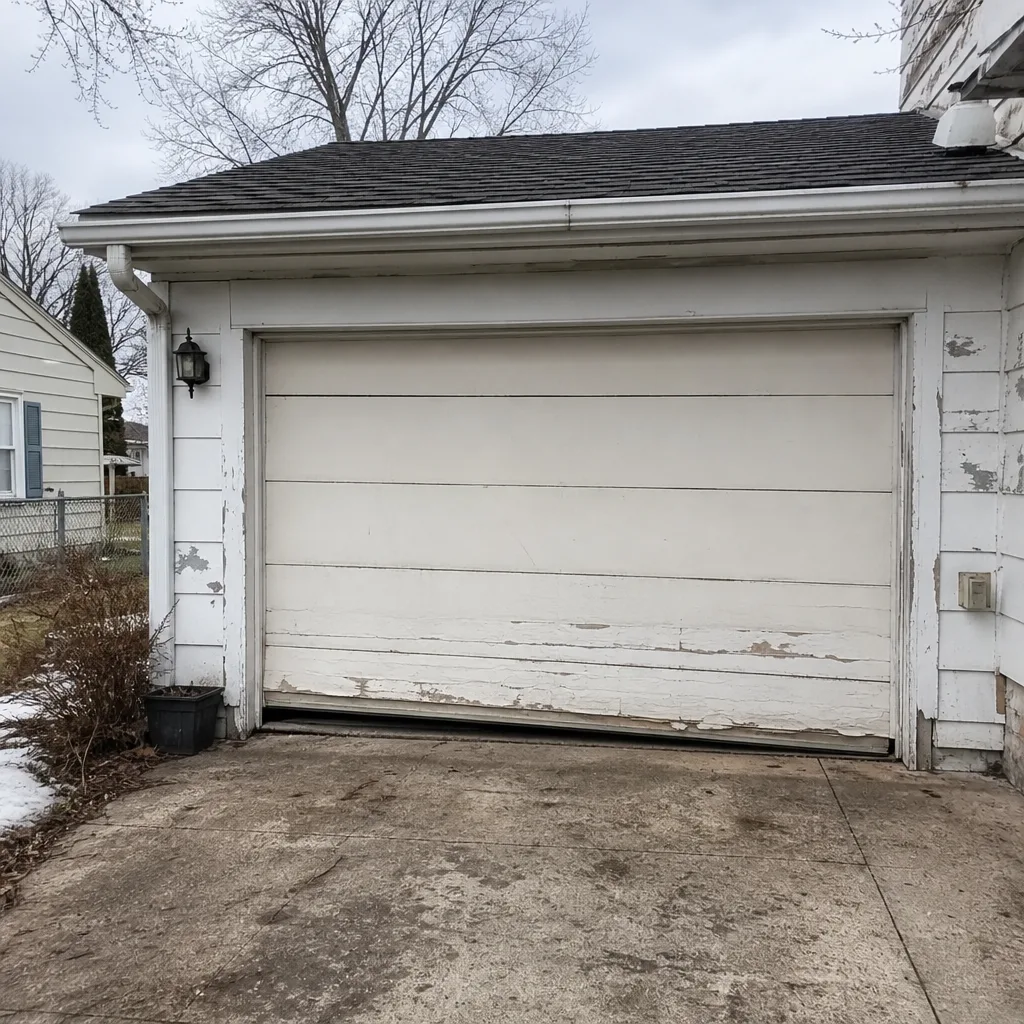 Before
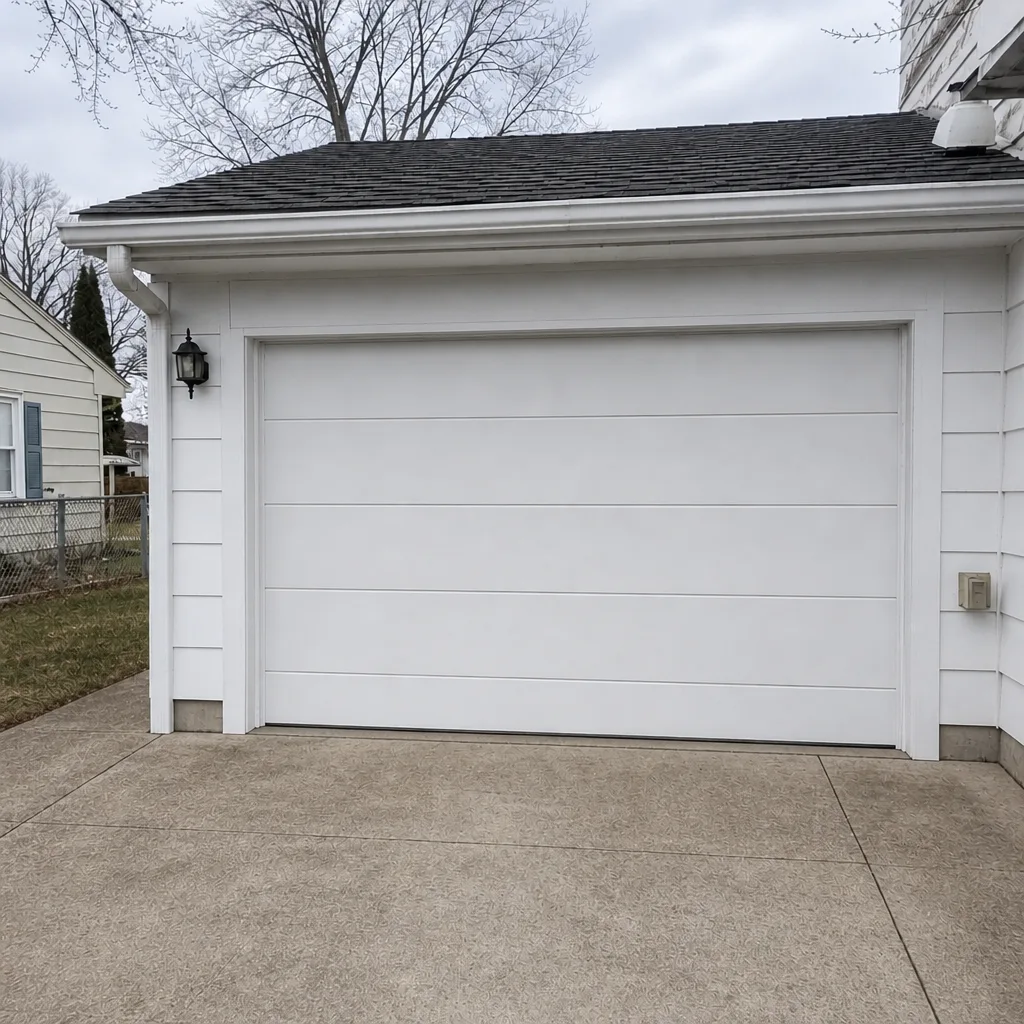 After
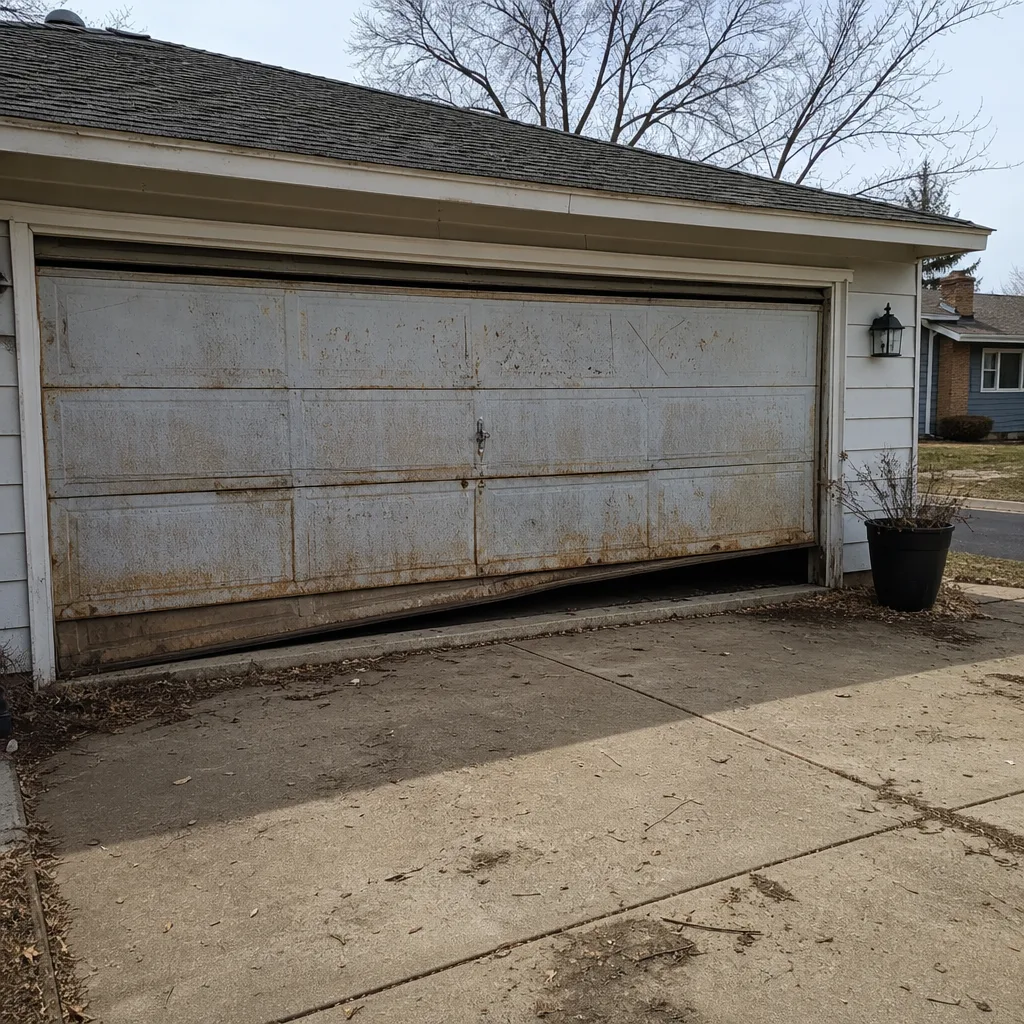 Before
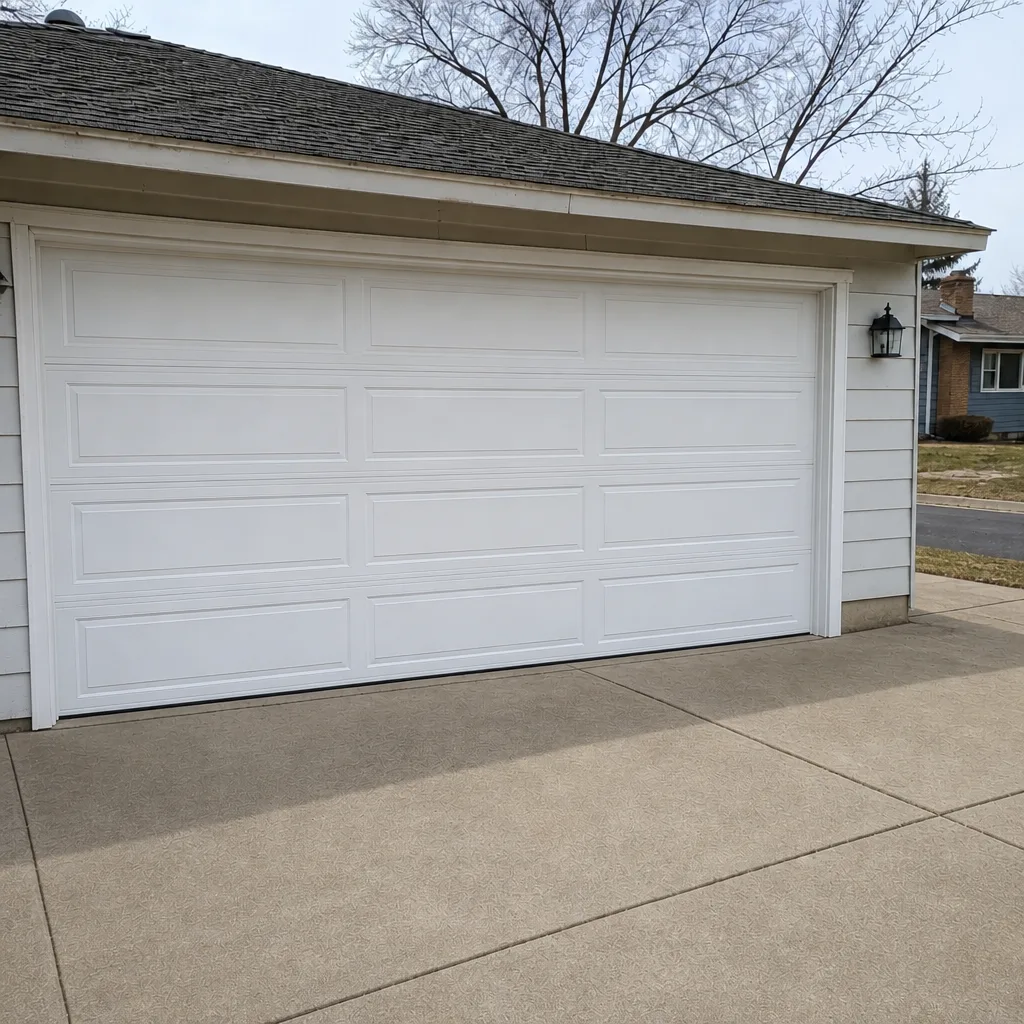 After
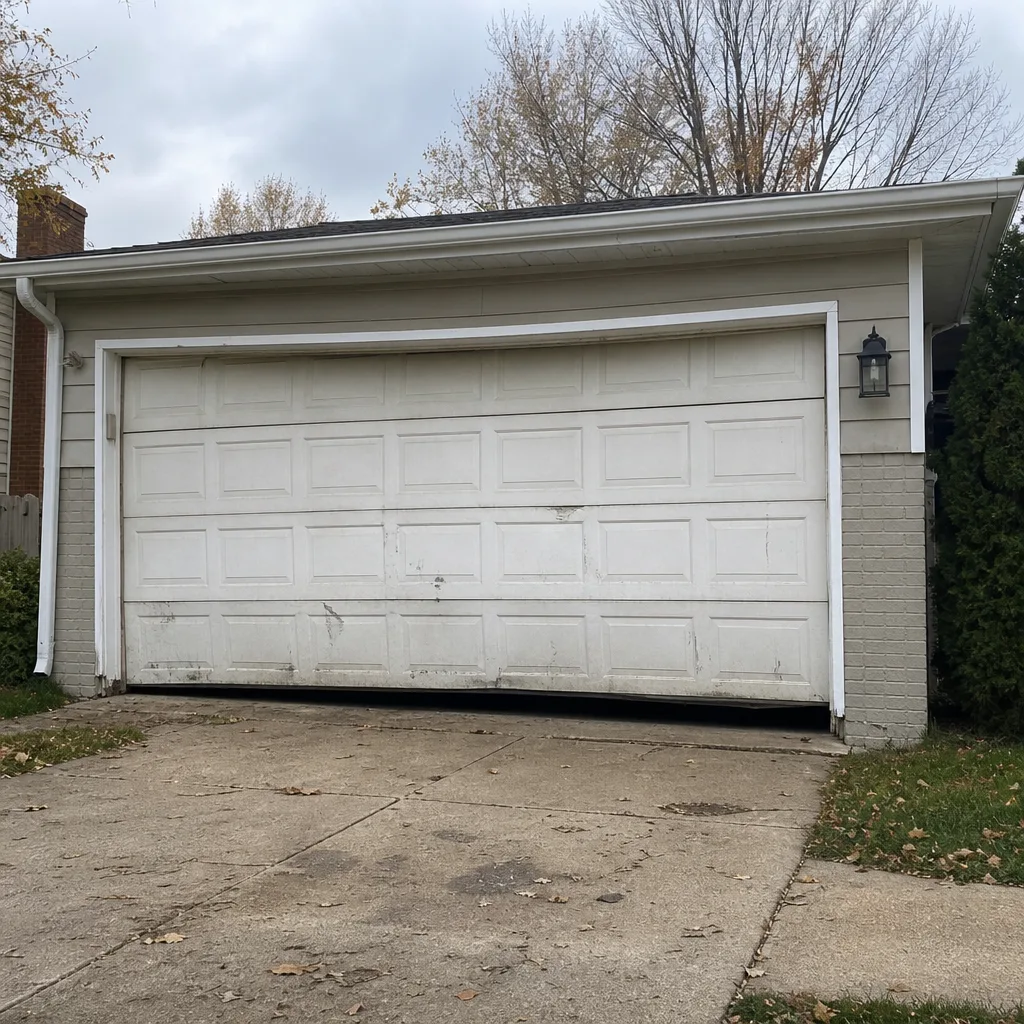 Before
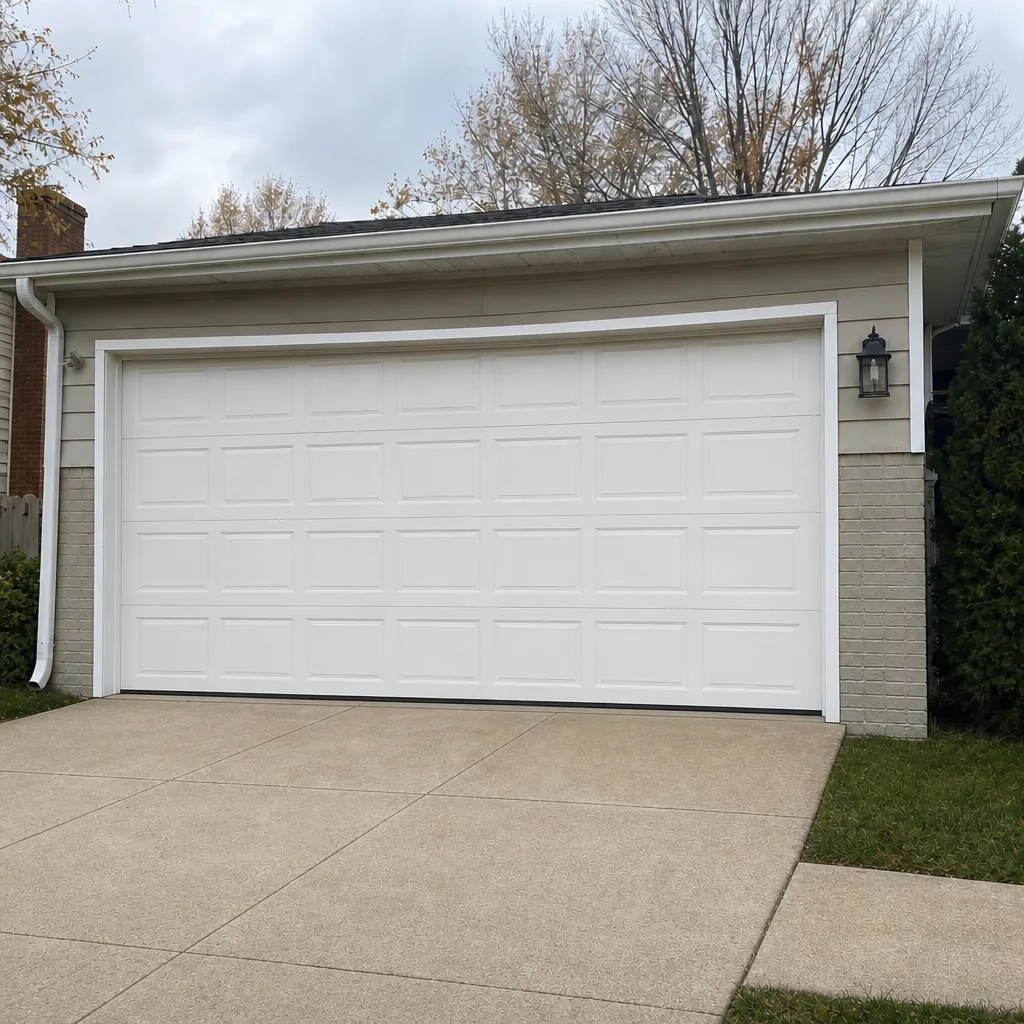 After
When to Call a Professional
Call a professional garage door technician if any of these are true: a spring shows cracks, pitting, or a gap; the balance test fails with the door dropping 12 or more inches; the door doesn’t fully close or opens unevenly; either safety reverse test fails; or the track is bent or a cable has slipped. These are not tweaks to manage yourself. A spring or cable that lets go can cause serious injury, and a door that doesn’t reverse is a genuine household hazard. Our technicians have up to 10 years of experience, trained across the brands most Edina homeowners actually own – Clopay, Amarr, Wayne Dalton, Craftsman, and more. Garage Door Repair Edina offers free estimates in Edina and can walk you through the fix. Call (855) 658-3994 to get an estimate. We answer 24/7. Fast dispatch from 7am to 7pm, Sunday through Friday.
Frequently Asked Questions
Lubricate every 3 to 4 months throughout the year, with a light coat of white lithium grease or silicone garage door lubricant on hinges, roller shafts, and spring coils. Edina’s temperature swings make it harder on the moving parts than a mild climate would, so cold-season checks matter most. Never lubricate the tracks, and don’t overapply. Call (855) 658-3994 for an exact quote on maintenance – estimates are free.
Look for micro-cracking, rust pitting, gaps in the coil, or an unbalanced door that drops during the balance test. In Edina, late fall and early spring are the peak times for spring breakage as metal contracts in cold. If you see any of these signs, stop using the door and call a technician. A spring under tension is not a DIY item. Call (855) 658-3994 – estimates are free.
Yes, as long as you observe and don’t adjust. Pull the manual release cord when the door is fully closed, lift the door halfway, and let go. If it stays put, tension is correct. If it drops or springs up, call a technician; don’t attempt the adjustment yourself. Call (855) 658-3994 for an exact quote on a tension adjustment – estimates are free.
Snowmelt from a warmed garage running to the door line and refreezing overnight is the biggest cause. Repeated ice expansion heaves the bottom seal and can warp the bottom panel. Keep the bottom seal in good shape going into winter, clear standing snow from the seal line, and have a technician inspect any panel buckling. Call (855) 658-3994 for an exact quote on replacement – estimates are free.
Replace rather than repair when you have repeated spring failures, significant panel rust, structural warping, or you’re spending on repairs more often than once a year. Edina’s climate can accelerate panel corrosion at the bottom edge, so that’s a good check. Our garage door installation team handles the full replacement from measure to final adjustment. Call (855) 658-3994 for an exact quote – estimates are free.
Brand matters for parts and diagnosis, but not for whether maintenance is possible. We work on all major brands, including LiftMaster, Chamberlain, Genie, and craftsman openers, so the equipment you have is covered. If your opener brand isn’t a fit for the repair, we’ll know quickly. Call (855) 658-3994 for an exact quote – estimates are free.
No. A failing spring compromises door balance, forces the opener to lift the full door weight, and can snap without warning. In Edina’s cold snaps, a fatigued spring is most likely to fail. Stop using the door and call a specialist. Call (855) 658-3994 – estimates are free.
The Bottom Line
A garage door in Edina fails on a different timeline than the generic maintenance guide suggests. The parts that break are the ones nobody inspects: springs, cables, seals, and balance. The good news is that a real checklist prevents most of it. Do the balance test every quarter, inspect springs visually twice a year, lubricate the right points and never the tracks, check the bottom seal against ice heave before winter, and run both safety reverse tests monthly. That covers most of the risk. The rest – spring, cable, track, and opener work – belongs with a trained technician for a straightforward reason: the stored energy in those parts is dangerous. What you do at home keeps you informed. What we do on site keeps you safe. Our technicians have up to 10 years of experience across every major brand, and we work on the brand you have, not just the one we prefer. When something on the “pro” list comes up, get an accurate diagnosis the first time. Garage door repair Edina handles every job as a garage door job. Call (855) 658-3994 to request a free estimate. We answer 24/7. Fast dispatch from 7am to 7pm, Sunday through Friday.
Written by the team at Garage Door Repair Edina.