
Last updated November 22, 2026
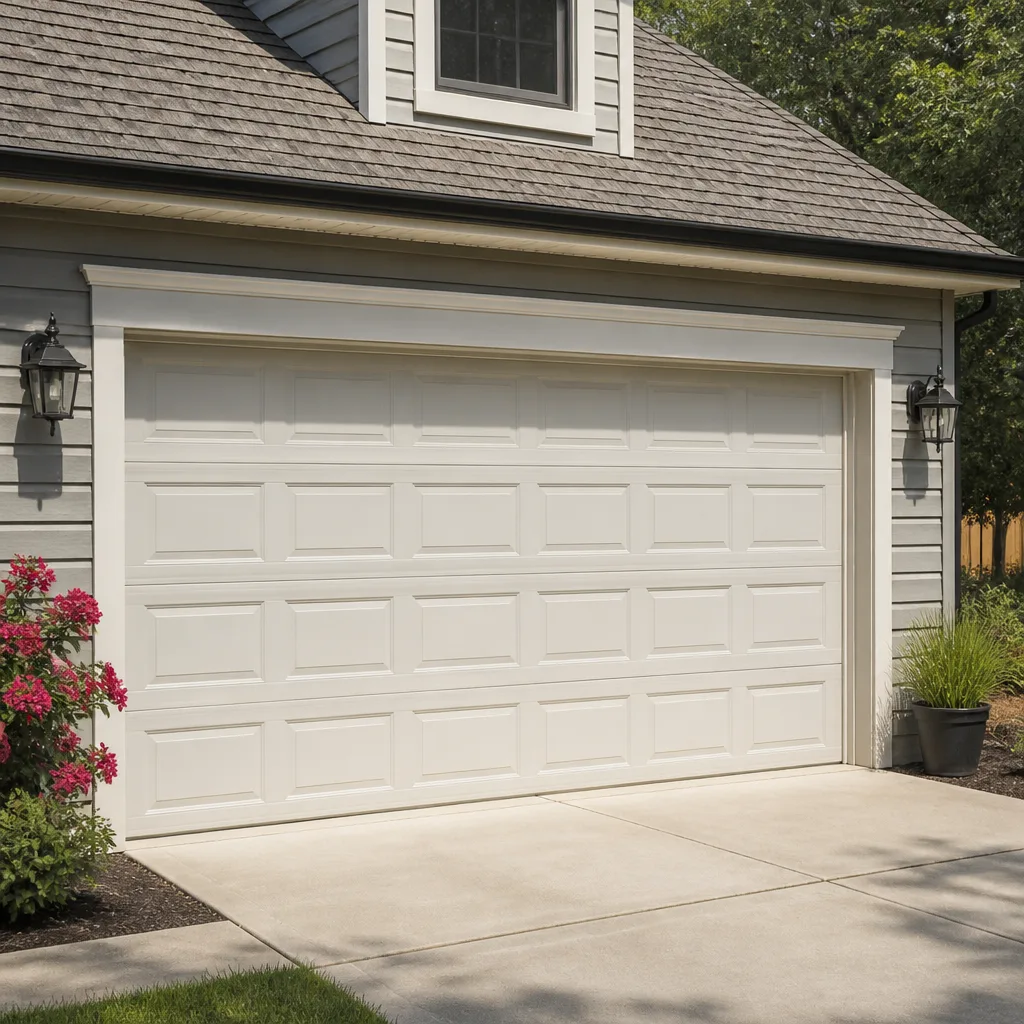 Raised-panel steel
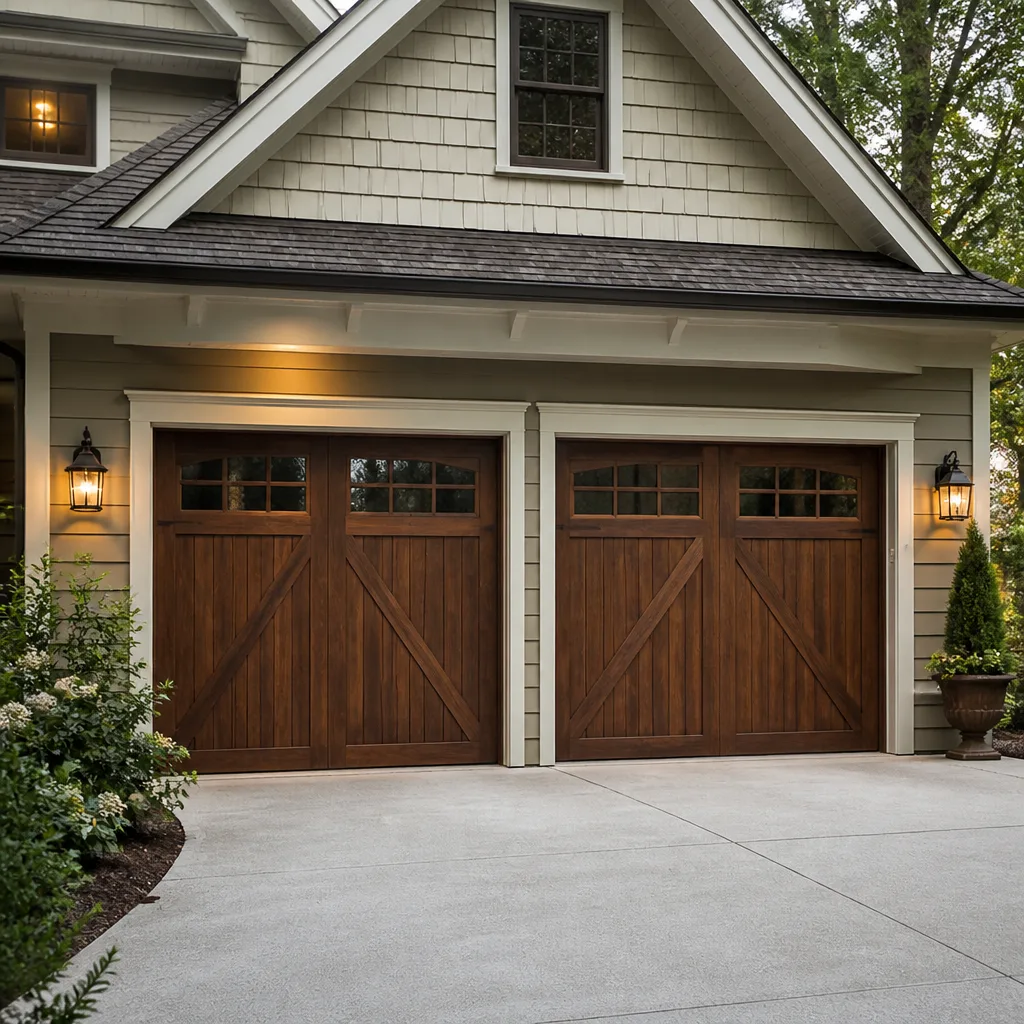 Carriage house
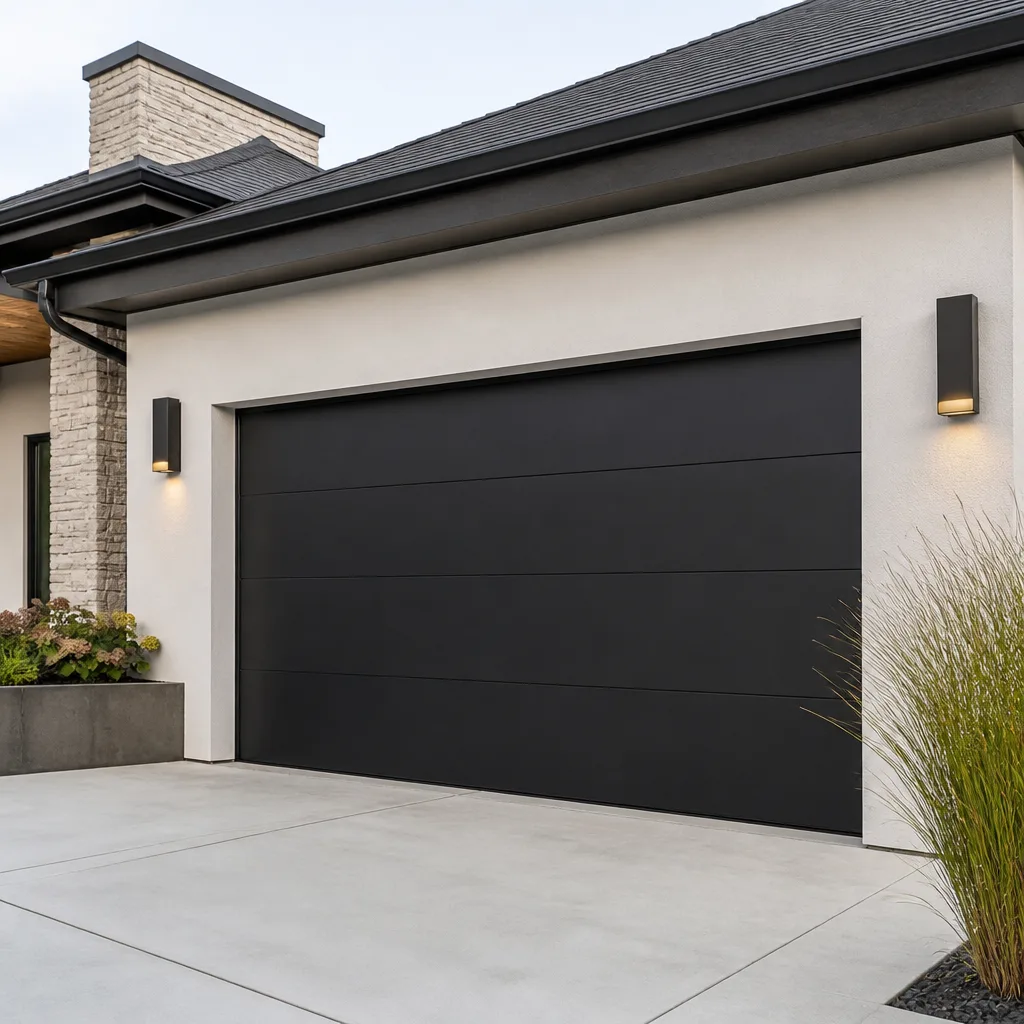 Modern flush
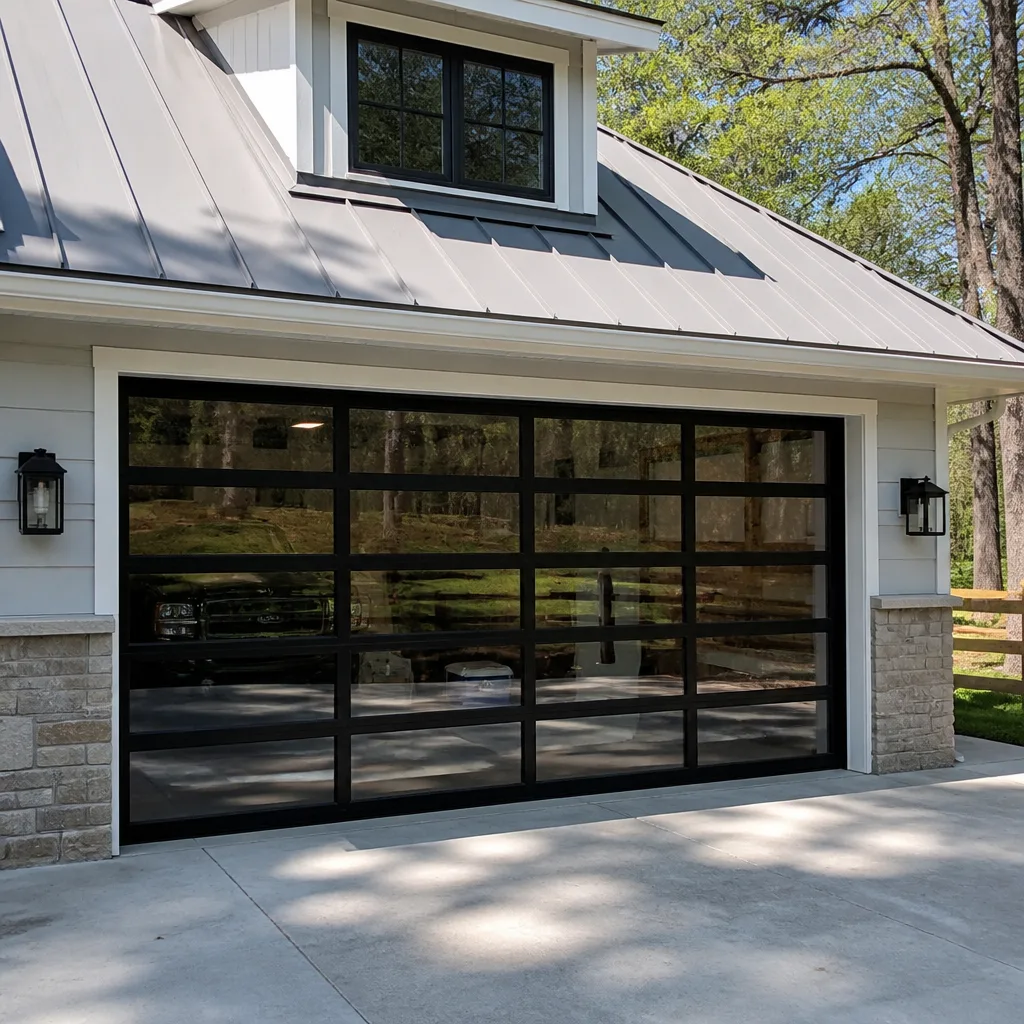 Full-view glass
 LiftMaster openers
 Chamberlain openers
Full 25-point door and opener safety check with every visit - springs, cables, rollers, tracks, and your LiftMaster or Chamberlain opener included
You get a price before we start. It does not change when the pro arrives.
Get your free estimateGarage Door Permits, Codes & Inspections in Edina, MN: What You Need to Know
Most Edina homeowners assume a garage door replacement is a simple swap that never touches City Hall. Often that’s true. But a replacement that changes the opening, adds a hardwired opener, or lands in a neighborhood with its own design standards can pull a permit requirement along with it, and skipping that step doesn’t just invite a fine. It can surface as an unpermitted alteration on a title search and stall a home sale years down the road. In this guide we’ll walk through when Edina requires a permit for garage door work, which parts of the Minnesota State Building Code apply, what neighborhood overlay rules add on top, what an inspection actually checks, and how to confirm a contractor pulled the permit instead of claiming the job was exempt.
Quick Answer
In Edina, a like-for-like garage door replacement in an existing opening usually does not require a separate building permit, but any work that alters the opening, changes structural framing, or involves new hardwired electrical for an opener typically does. Because the rules turn on details of your specific project and neighborhood, the reliable move is to call the City of Edina’s building department before the work starts and ask how your job is classified. Getting that answer in writing is what protects you at resale.
Styles & brands we work with
- Raised-panel steel
- Carriage house
- Modern flush
- Full-view glass
- LiftMaster openers
- Chamberlain openers
Table of Contents
- When does Edina require a permit for garage door work?
- When is a garage door replacement exempt in Edina?
- Which Minnesota State Building Code sections apply?
- How do Edina neighborhood and HOA overlay rules work?
- What does a garage door inspection actually check?
- Which installation shortcuts fail inspection?
- How do you verify a contractor pulled the permit?
- Why unpermitted work can follow you to closing
When does Edina require a permit for garage door work?
The short answer is that Edina requires a permit when the project crosses from replacing an existing component into changing the structure, the opening, or the electrical that serves the door. A permit exists to verify the work meets the code in force at the time of the job, and that verification only makes sense when the scope touches something the code governs.
From what we’ve seen across Edina jobs, the trigger points tend to cluster in a few predictable places. A replacement door ordered to fit the existing opening is usually a different category from a project that widens the opening, raises the header, or adds structural support to fit a taller door. Adding or relocating a hardwired opener, or running new electrical to a garage that didn’t have it, is another clear category. And any project that changes the exterior appearance in a neighborhood with design standards can pull in a separate review even when the structural work itself is minor.
Rather than guess, work through these questions before you sign anything:
- Does the new door fit the current opening exactly, or is the opening changing size?
- Is any framing, header, or structural support being modified?
- Is electrical being added, moved, or hardwired for the opener?
- Does your neighborhood have design standards that cover exterior changes?
- Has the city classified the job as repair, replacement, or alteration?
Those five answers point you to the right permit conversation. A specialist who handles Garage Door Repair Edina work regularly already knows how to frame the question to the building department so the answer is clear.
When is a garage door replacement exempt in Edina?
The clearest exemption path is a true like-for-like replacement: the existing opening stays the same size and framing, the electrical serving the door is unchanged, and the new door is installed in the same spot. That kind of swap is typically treated as ordinary maintenance rather than construction, and many Edina homeowners complete it without a building permit. The key word is typically. The city’s own determination controls, not a contractor’s opinion.
Exemption also tends to hold for repairs that restore the door to working order, such as replacing a broken spring, fixing a bent track, or swapping a dead opener for one that uses the same wiring. Those jobs don’t alter the structure and don’t add load to the electrical system. Spring work is one of the most technically demanding and safety-critical repairs in the trade, which is why we handle garage door repair of that kind directly rather than outsourcing it. But repair versus alteration is the line that matters here, and a phone call to the city is the safe confirmation.
Two situations quietly move an apparently simple job out of the exempt column:
- The old door was a nonstandard size and the new one requires minor framing adjustments.
- The opener is upgraded to a model that needs a dedicated circuit rather than the existing wiring.
Either of those can turn a “no permit needed” assumption into a paperwork surprise. When the scope is even slightly unclear, treat the job as permit-eligible and confirm with the building department first. A written answer protects you later, and it costs you nothing but a few minutes.
Which Minnesota State Building Code sections apply?
Two parts of the Minnesota State Building Code come up most often on garage door work: fire separation between the garage and the living space, and the safety requirements for automatic openers. Both are about life safety, and both are the reason an inspection is more than paperwork.
Fire separation matters because an attached garage shares a wall and often a ceiling assembly with the house. When that separation is compromised during a door replacement, whether by cutting into the wall to fit a larger door or by an install that leaves the sealing incomplete, the assembly no longer does its job of slowing a fire’s spread into the living area. The inspector’s job is to confirm the separation is intact after the work, not just that the door opens and closes.
Opener safety requirements are the second cluster. Modern openers include safety reverse features that are required to function, and the code expects them to be verified. If your new opener is a LiftMaster or Chamberlain with the standard reversing system, the inspection will check that the safety reverse actually stops the door on obstruction. A Genie or Raynor unit is held to the same standard. The brand doesn’t change the requirement, only the way it’s tested.
Common code-elements an inspector will look at:
- Fire separation integrity between the garage and the house, including any sealed penetrations.
- Functioning safety reverse on the automatic opener.
- Proper attachment of the door to the framing and track.
- Electrical connections made to code where the opener is hardwired.
- Any structural change to the opening backed by plans and approvals.
If you’re planning an install or replacement, the garage door installation side of the job is where these code elements get built in, and where getting them wrong becomes an inspection problem rather than a repair call. If the opener itself is the issue, our garage door opener repair coverage addresses the safety reverse and wiring components directly.
How do Edina neighborhood and HOA overlay rules work?
City code is only the first layer of rules in Edina. Several neighborhoods carry design standards or HOA overlay requirements that add aesthetic conditions on top of what the building department enforces. That means a door that passes the city code inspection can still run into a design committee that reviews color, material, style, and window configuration before installation.
Edina neighborhoods with design-conscious character, including areas like Countryside and Morningside, often have an HOA or architectural review process in place. The overlay rules typically cover:
- Door style and panel configuration.
- Color and finish matching the home and neighboring homes.
- Window patterns and material choice.
- Whether the door reads as “matching” the existing architectural character.
The practical consequence is that the approval sequence matters. If you order a door before checking the overlay rules, you can end up with a product you can’t install without a fight. In our experience the cleanest path is to confirm the design standards first, get design sign-off, then order the door, then pull any required city permit, then install. That sequence avoids the costly loop of returning a door that doesn’t meet a rule you didn’t know existed.
We service LiftMaster, Chamberlain, Genie, Clopay, Amarr, Wayne Dalton, Craftsman, and Raynor equipment across Edina, which means a design or color constraint rarely forces a homeowner to accept a door system they don’t want. The brand you have is the brand we work with, and the overlay rule is a separate conversation from the hardware.
What does a garage door inspection actually check?
An inspection confirms the completed work meets the code in force and that the door is safe in normal use. It’s not a cosmetic review. The inspector is looking for structural integrity, fire separation, and functioning safety devices, and the door has to demonstrate all three before the job is signed off.
What we’ve learned from walking jobs through inspection in Edina is that the failure points are consistent. The check list looks roughly like this:
- Structural attachment. The door, track, and opener are securely attached to the framing, and any structural change matches the approved plans.
- Fire separation. The garage-to-house separation is intact, with penetrations properly sealed.
- Safety reverse. The opener’s reversing system stops the door on obstruction, verified on the spot.
- Electrical. Hardwired connections are to code and the circuit is appropriate.
- Clearance and operation. The door opens and closes fully, with correct clearances and no binding.
- Documentation. The permit is on file and the approved scope matches what was installed.
The safety reverse check is where we see homeowner worry most often. If the opener has been swapped and the safety reverse wasn’t set or tested correctly, that’s a fail on the spot, and it’s a genuine safety issue rather than a technicality. A technician who understands the safety systems in the major brands will set and verify that feature as part of the install, not as an afterthought.
Which installation shortcuts fail inspection?
Most inspection failures trace back to a shortcut that looked harmless during the install and shows up under scrutiny. These aren’t exotic mistakes. They’re the common ones we’ve seen turn a straightforward Edina job into a re-inspection.
- Reusing old track or brackets that are slightly bent or corroded. The door may operate fine to the naked eye but fail the attachment and operation check.
- Skipping the fire separation seal after an opening change. Any gap left between the garage and the house is a fire-spread path, and inspectors catch it.
- Installing the opener without a safety reverse test. The unit’s reversing function must be verified, not assumed.
- Improper electrical connections for a hardwired opener. Cutting corners on the circuit or the connection is a fail.
- Not matching the installed door to the approved permit scope. If the plans specified one door and a different one went in, that mismatch stops the sign-off.
- Disconnecting a structural element without a plan. Removing a bracket or header that the plan required is a structural problem.
Each of these is avoidable. The fix is a technician who treats the installation and the inspection requirements as the same job, which is why a single-trade specialist is a different experience from a general contractor who handles doors as one part of a broad scope.
How do you verify a contractor pulled the permit?
You verify by checking directly with the City of Edina’s building department, not by taking a contractor’s word that the job was exempt or that they “handled it.” The permit is a public record, and the city can confirm whether one exists for your address and what scope it covers. That one call is the strongest protection you can build into the contract.
The step-by-step approach that works:
- Before work starts, ask the contractor in writing whether a permit is required for your project and why.
- If they say it’s exempt, ask them to explain the basis, and confirm the classification with the city yourself.
- If a permit is required, ask for the permit number and the exact scope it covers once it’s issued.
- Confirm with the city that the permit number exists and matches your address and project.
- After the work, confirm the inspection has been requested and passed, and keep a copy of the final record.
- Keep that record with your home’s documents so it’s ready at resale.
The verify step is where a claim of exemption gets tested. If a contractor tells you no permit is needed, and the city says one is, that mismatch is a warning sign about the whole job. A professional will welcome the question, because the paperwork protects their customer as much as it protects them.
Why unpermitted work can follow you to closing
Unpermitted work has a way of surfacing years after everyone who did it has moved on. When a home in Edina goes on the market, the buyer’s inspection and title search can turn up an alteration that doesn’t match the permitted scope, and that’s when a problem nobody remembered becomes a problem on the closing table.
An unpermitted garage door replacement shows up in a few ways. A title search may note an alteration with no corresponding permit. A buyer’s inspector may call out a fire separation gap or an opener without a functioning safety reverse. Either one can stall the sale, require a retroactive permit process, or force a negotiation at the worst possible moment. The stakes are higher in a market where buyers and lenders review records carefully, and Edina is exactly that kind of market.
The counter to all of this is simple. Keep the paperwork. A permit, an inspection record, and a written scope that matches what was installed are the evidence that the work was done correctly. If your project is genuinely exempt, having a written note from the city saying so is worth keeping too. The goal isn’t to create a folder of forms. It’s to make sure that when you or a future owner looks at the garage door, the record is there and it’s clean.
Common Mistakes to Avoid
- Assuming every replacement is exempt. A like-for-like swap usually is, but a changed opening, added framing, or new hardwired electrical can move the job into permit territory. Confirm with the city before ordering.
- Ordering the door before checking the neighborhood design rules. An HOA or design overlay in Edina can require a different color, style, or window pattern, and a door ordered too soon becomes a product you can’t install.
- Taking the contractor’s word on permits. A verbal “we handled it” isn’t a permit. Ask for the number and verify it with the building department.
- Reusing old track and brackets to save time. Slightly bent hardware can fail the attachment and operation check and force a re-inspection.
- Skipping the safety reverse test on a new opener. The reversing system has to be verified and functioning, and it’s one of the most common inspection failures.
- Disconnecting a structural element without approved plans. Removing a header or bracket the plan required is a structural violation, not a convenience.
- Not keeping the final inspection record. Without it, a future buyer or lender can question the work, and the burden lands on you at closing.
See the difference
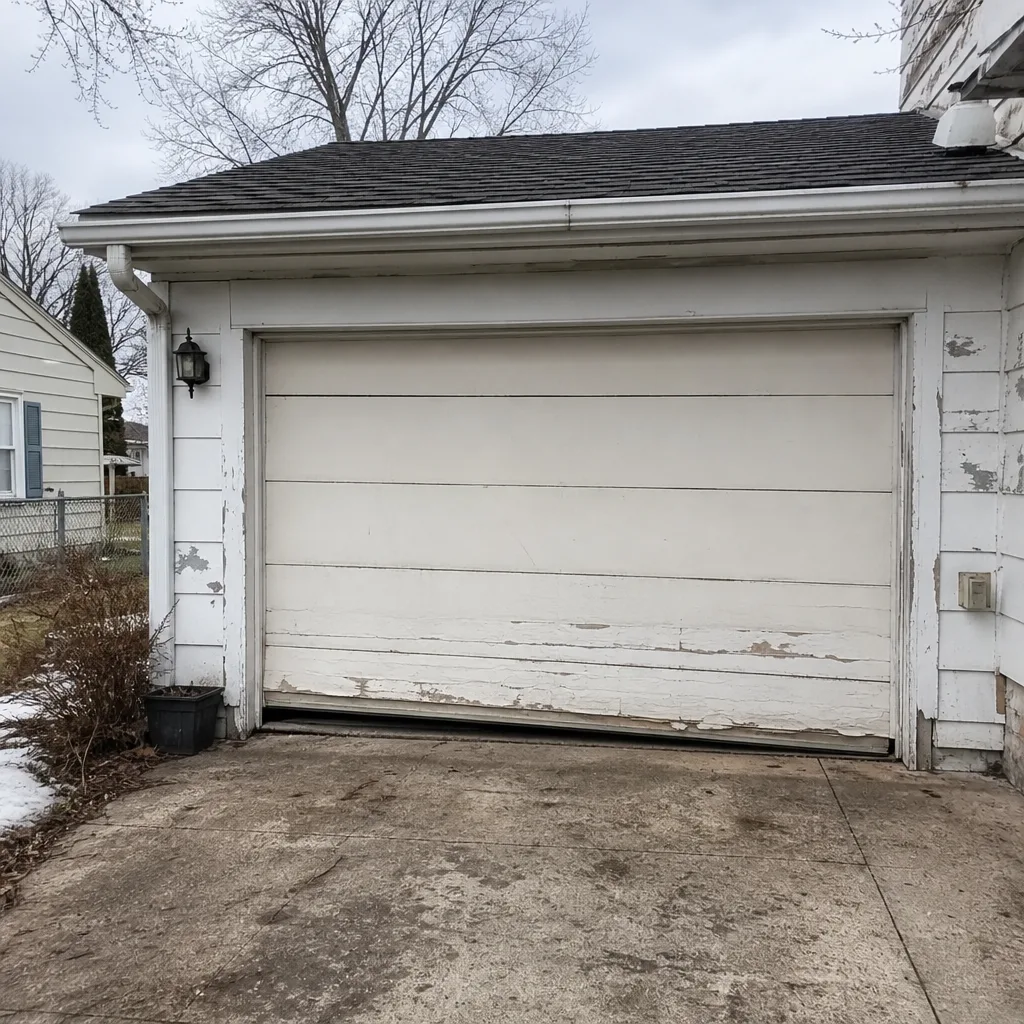 Before
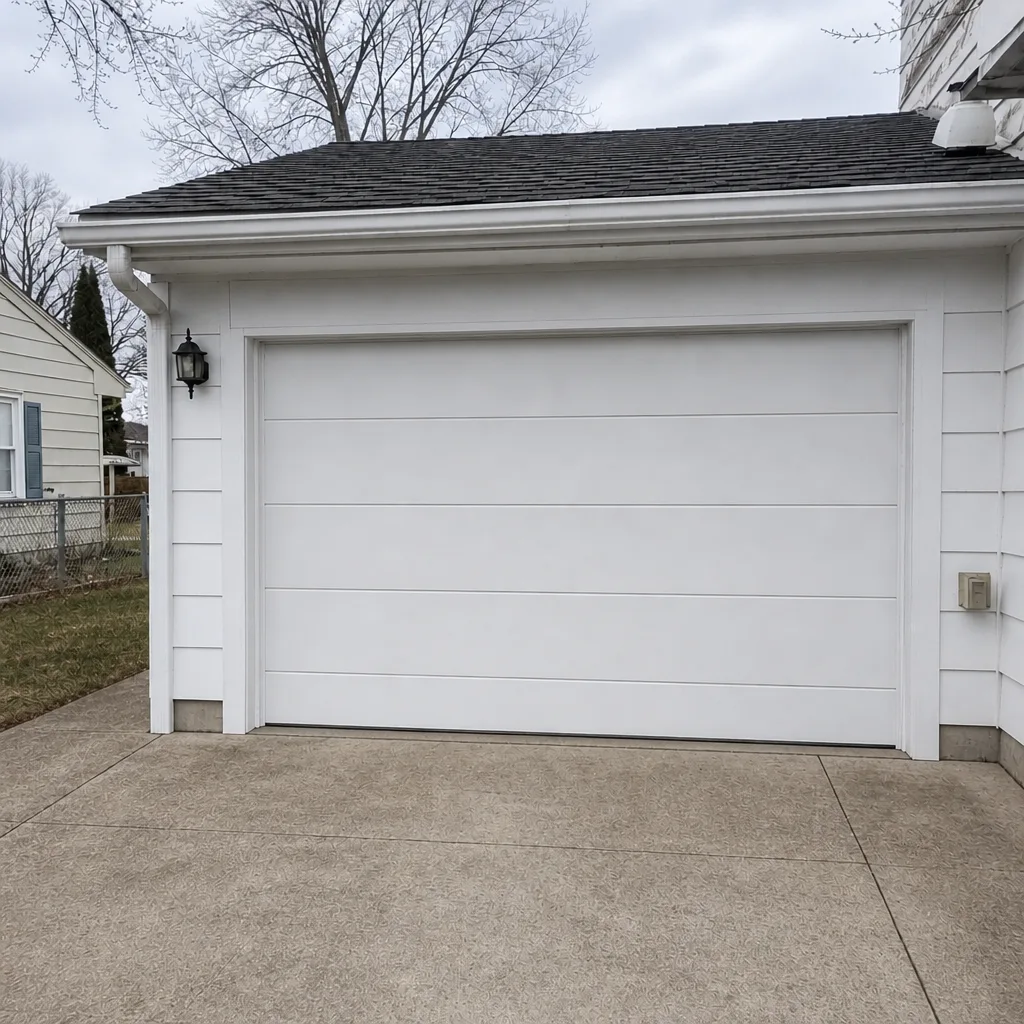 After
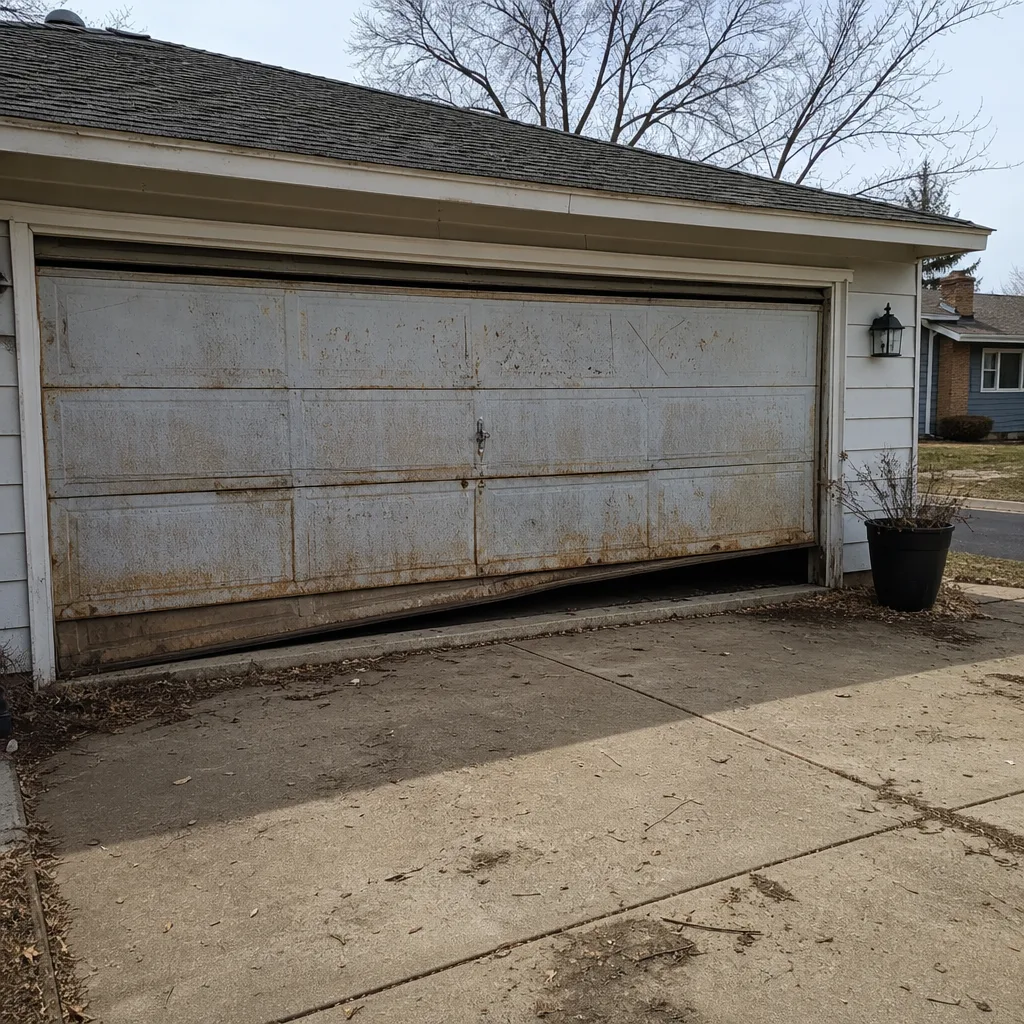 Before
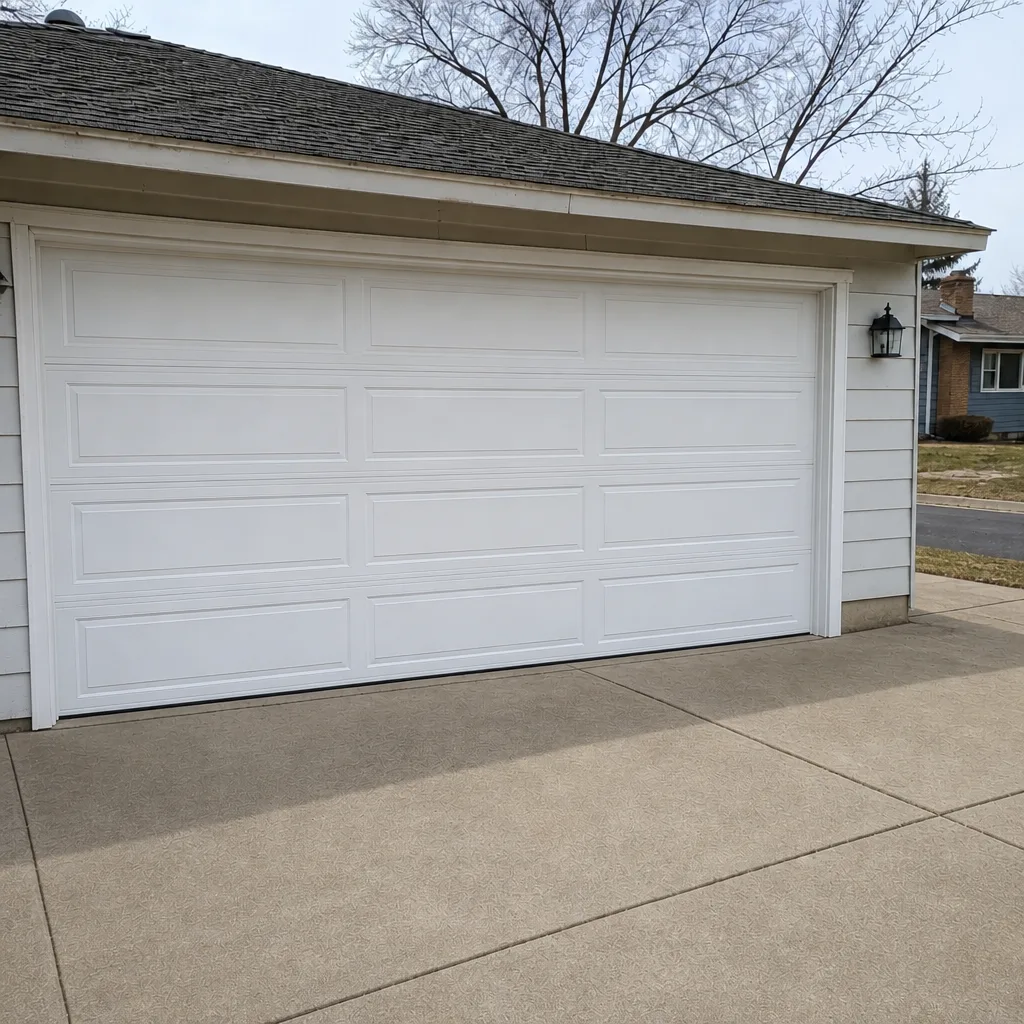 After
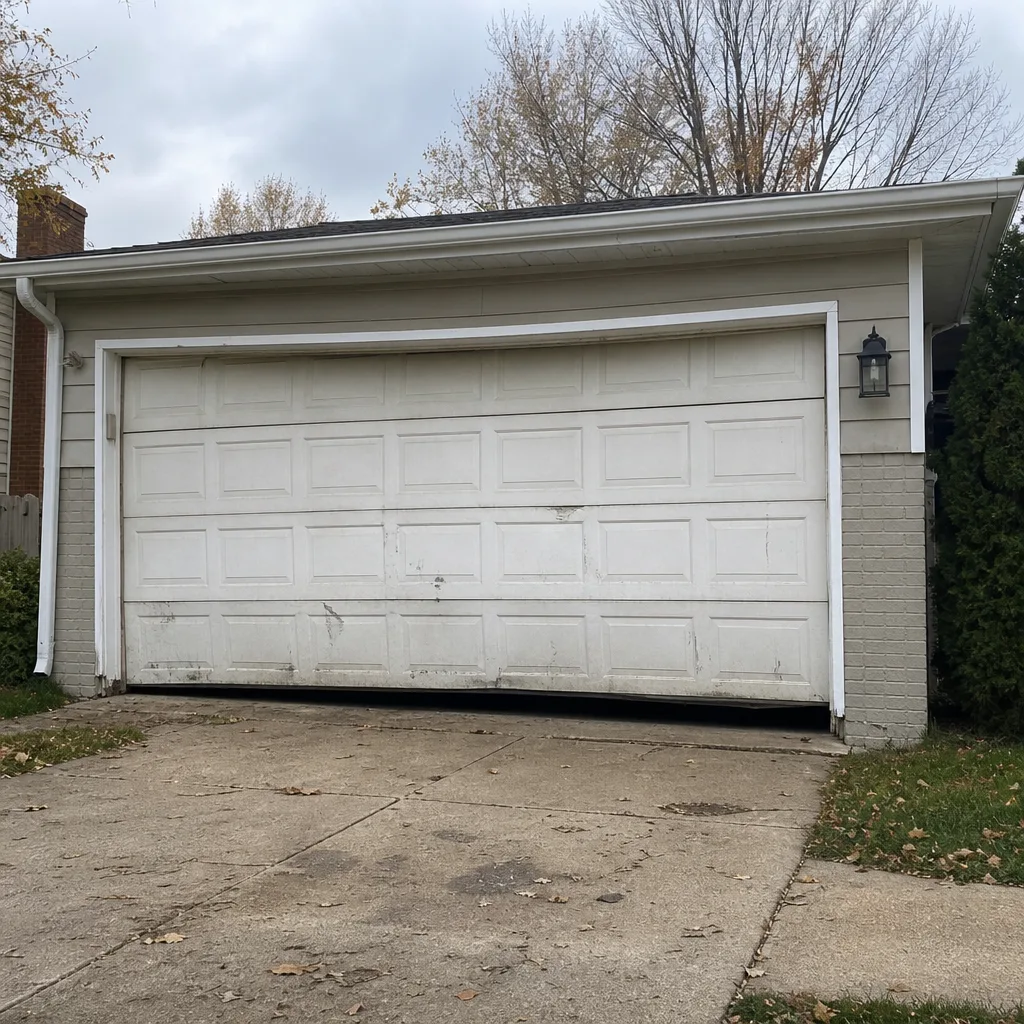 Before
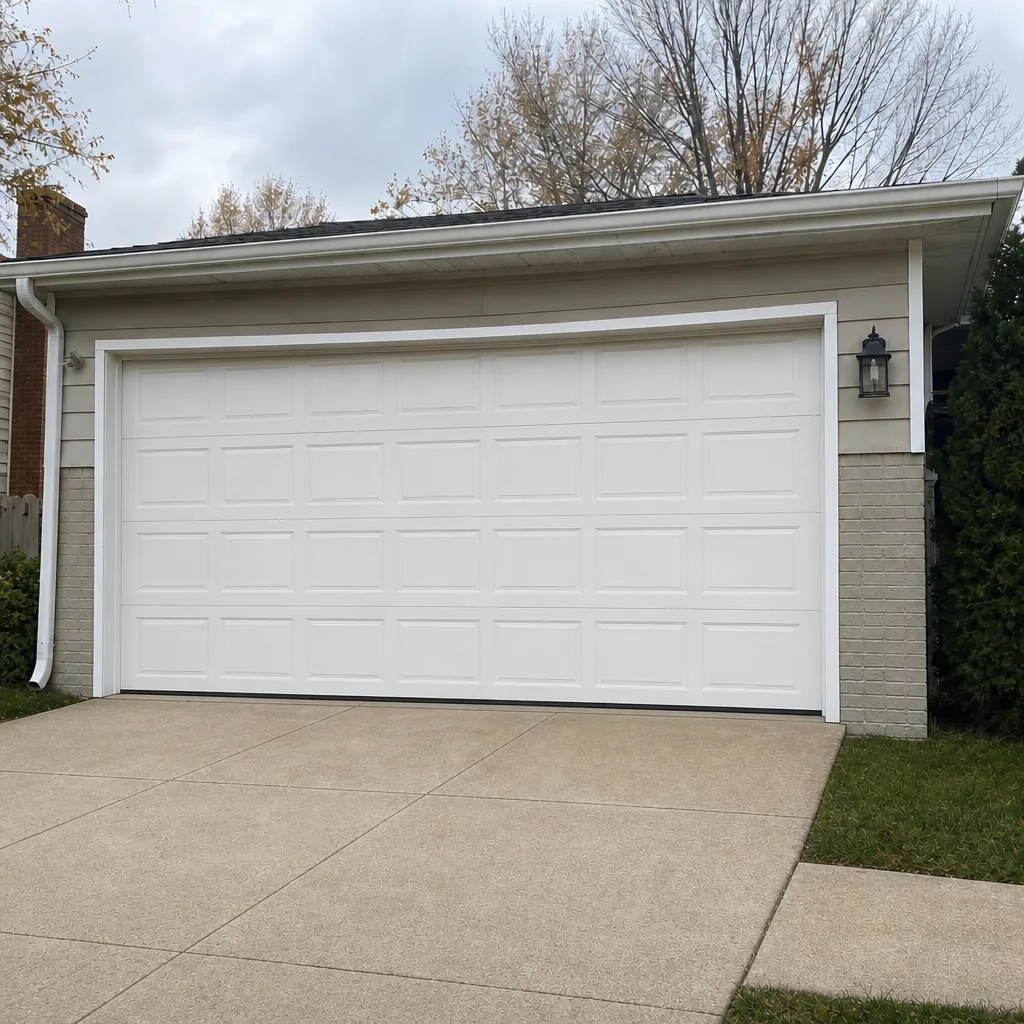 After
When to Call a Professional
Some parts of a garage door job are safe to inspect yourself. Tugging on the door to see if it’s balanced, listening for a grinding track, watching whether the door reverses on a box in its path, those are reasonable checks. But the moment the work involves springs, cables, opener wiring, or a structural change to the opening, hand it to a professional. High-tension springs and cables can release with enough force to cause serious injury, and electrical work for a hardwired opener carries the risks any wiring does. A trained technician knows how to test and set the safety systems that the inspection will check. Our technicians have up to 10 years of experience, and we work on the brand you have, whether that’s LiftMaster, Chamberlain, Rusty, or another of the eight major manufacturers we service. Garage Door Repair Edina offers free estimates in Edina.
Frequently Asked Questions
Usually no, if the replacement is a true like-for-like swap that keeps the opening, framing, and electrical unchanged. A permit is more likely when the project alters the opening, changes structural elements, or adds hardwired electrical for the opener. Because the call depends on your specific scope, confirm the classification with the City of Edina’s building department before the work starts. If you’re unsure whether your project is exempt, call (855) 658-3994 and we can help you frame the right questions.
It depends on how the opener connects. Replacing a dead opener with one that uses the existing wiring is typically treated as a repair. Adding a new hardwired circuit or relocating electrical is a different category and usually requires a permit. The safety reverse feature on the new unit must function and be verified either way, since it’s a code requirement for automatic openers.
An inspection checks structural attachment, fire separation between the garage and the house, functioning safety reverse on the opener, electrical connections, and full door operation. It also verifies that the installed work matches the approved permit scope. It’s a life-safety review, not a cosmetic one, and the common failures are shortcuts like reused bent track or an untested safety reverse.
Check directly with the City of Edina’s building department. Ask for the permit number and the scope it covers, then confirm with the city that it exists for your address. If a contractor says no permit is needed, ask them to explain why in writing and confirm the classification with the city yourself. A permit is a public record, and verifying it takes one phone call.
Yes. Unpermitted alterations can surface on a title search or a buyer’s inspection and stall a closing, require a retroactive permit process, or force a negotiation. Buyers and lenders in Edina tend to review records carefully. Keeping the permit, the inspection record, and a written scope that matches the installed work is the protection you want at resale.
In several neighborhoods with design standards or oversight, yes. HOA or architectural review rules can cover door style, color, finish, window pattern, and material, on top of the city code. Get design sign-off before you order the door. Ordering first and discovering a rule later means returning a door you can’t install.
The Bottom Line
Garage door replacements in Edina are more likely to touch a permit requirement than most homeowners expect, but the rules are navigable once you know where the trip points are. A like-for-like swap in an unchanged opening is usually exempt. A changed opening, added framing, new hardwired electrical, or a neighborhood with design standards can bring the permit and review process into the job. The reliable habit is to confirm the classification with the city in writing, check the overlay rules before ordering, verify any permit number directly, and keep the final inspection record. That paper trail is what protects you at resale. If you’d like a free estimate from a specialist who handles the whole job from code check to final inspection, call (855) 658-3994. We answer 24/7. Fast dispatch from 7am to 7pm, Sunday through Friday.
Written by the team at Garage Door Repair Edina.