
Last updated November 22, 2026
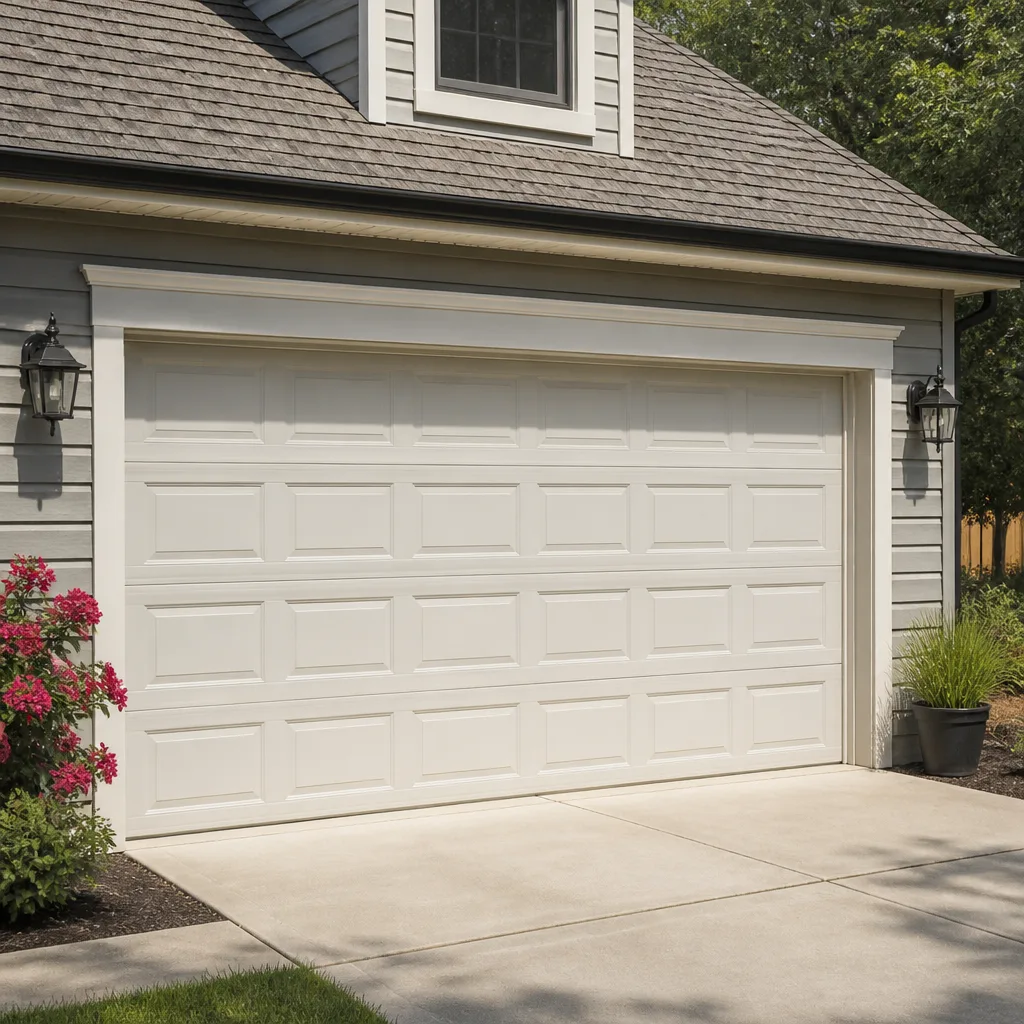 Raised-panel steel
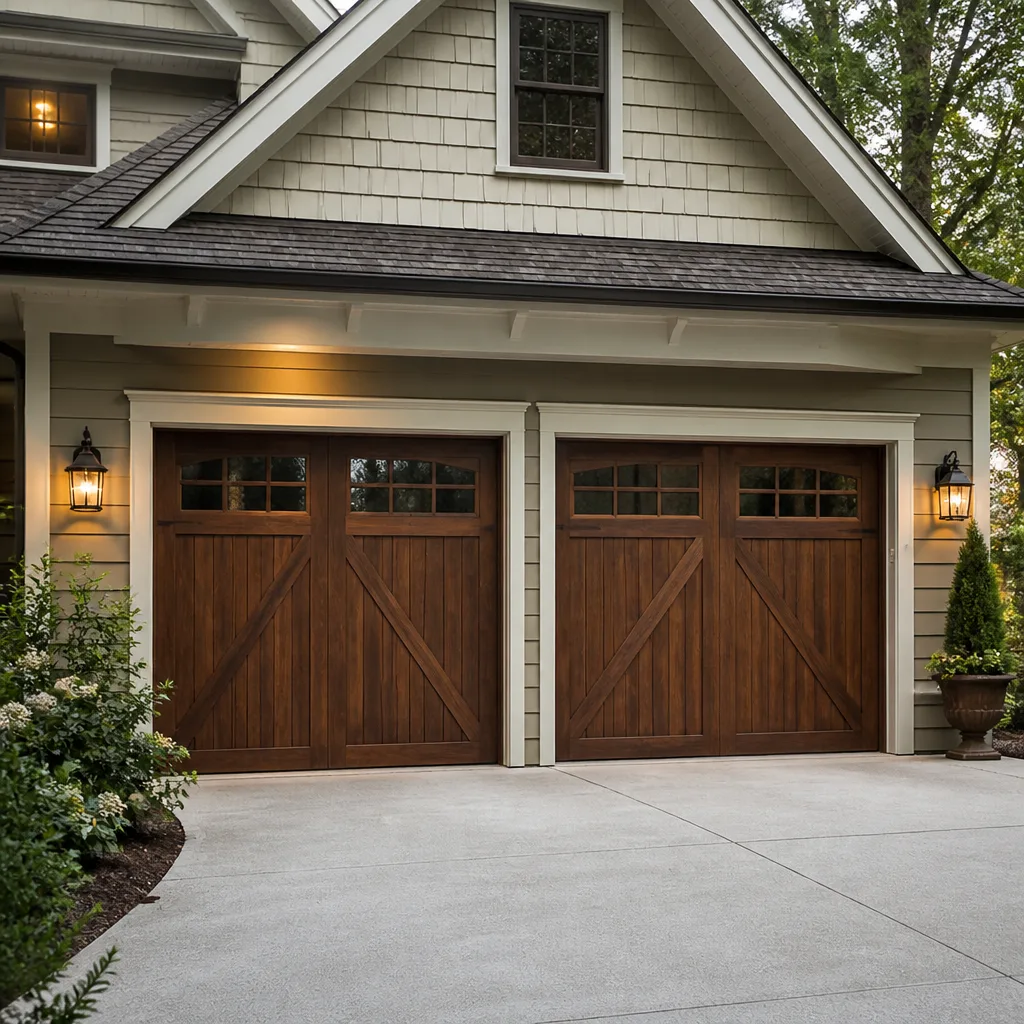 Carriage house
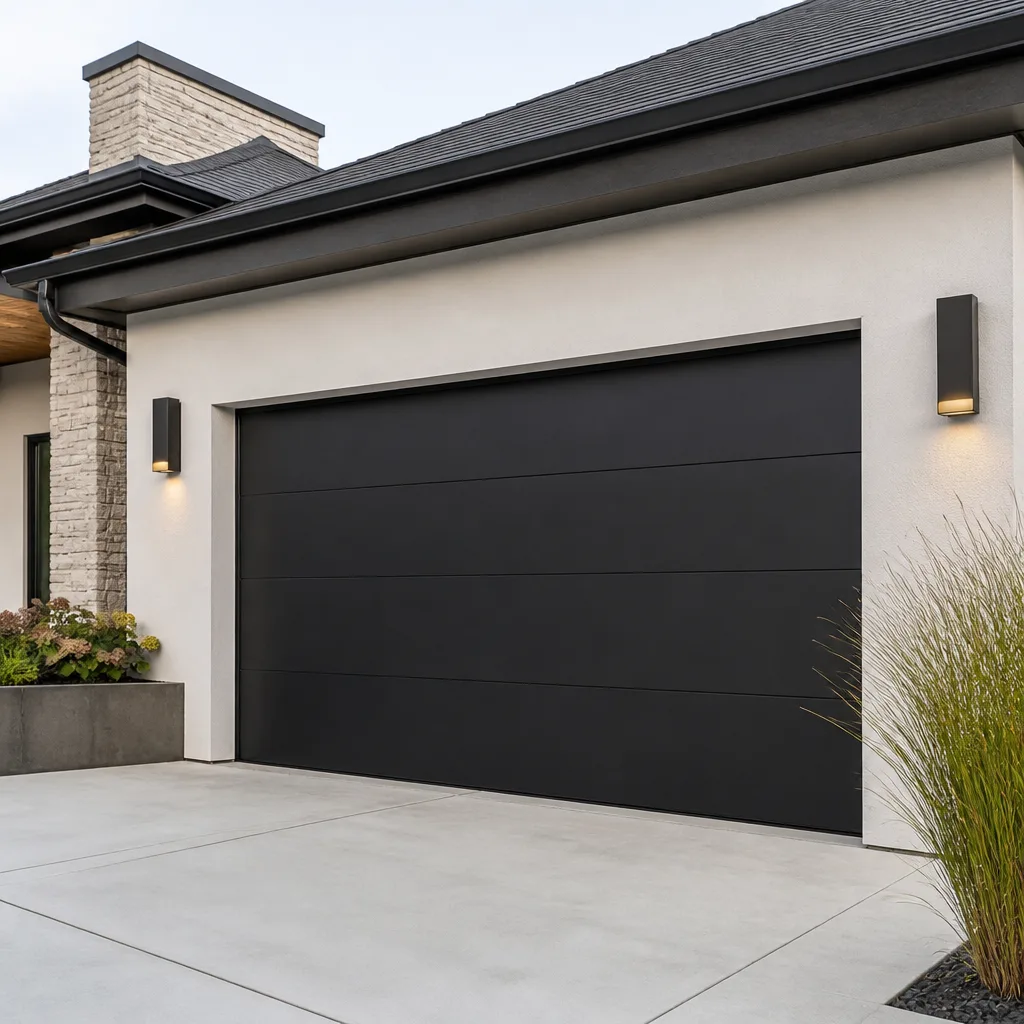 Modern flush
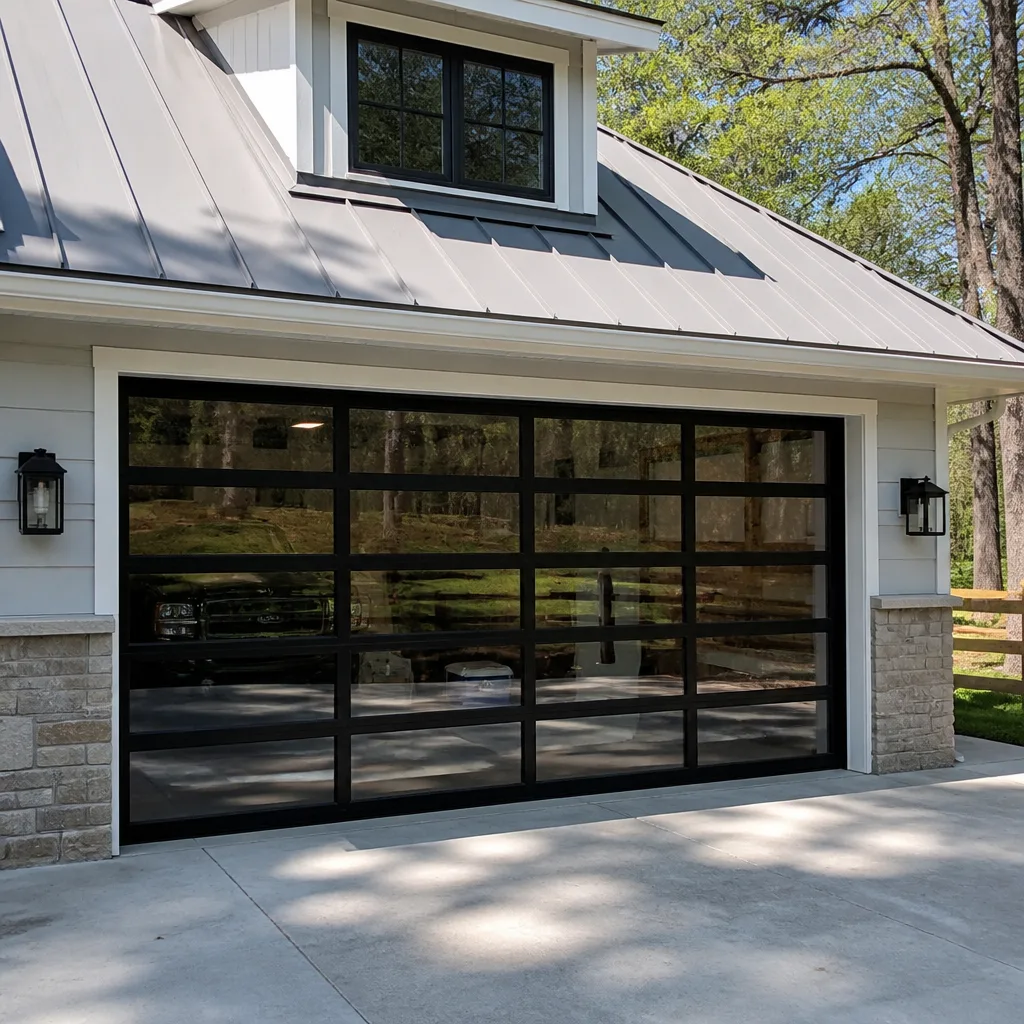 Full-view glass
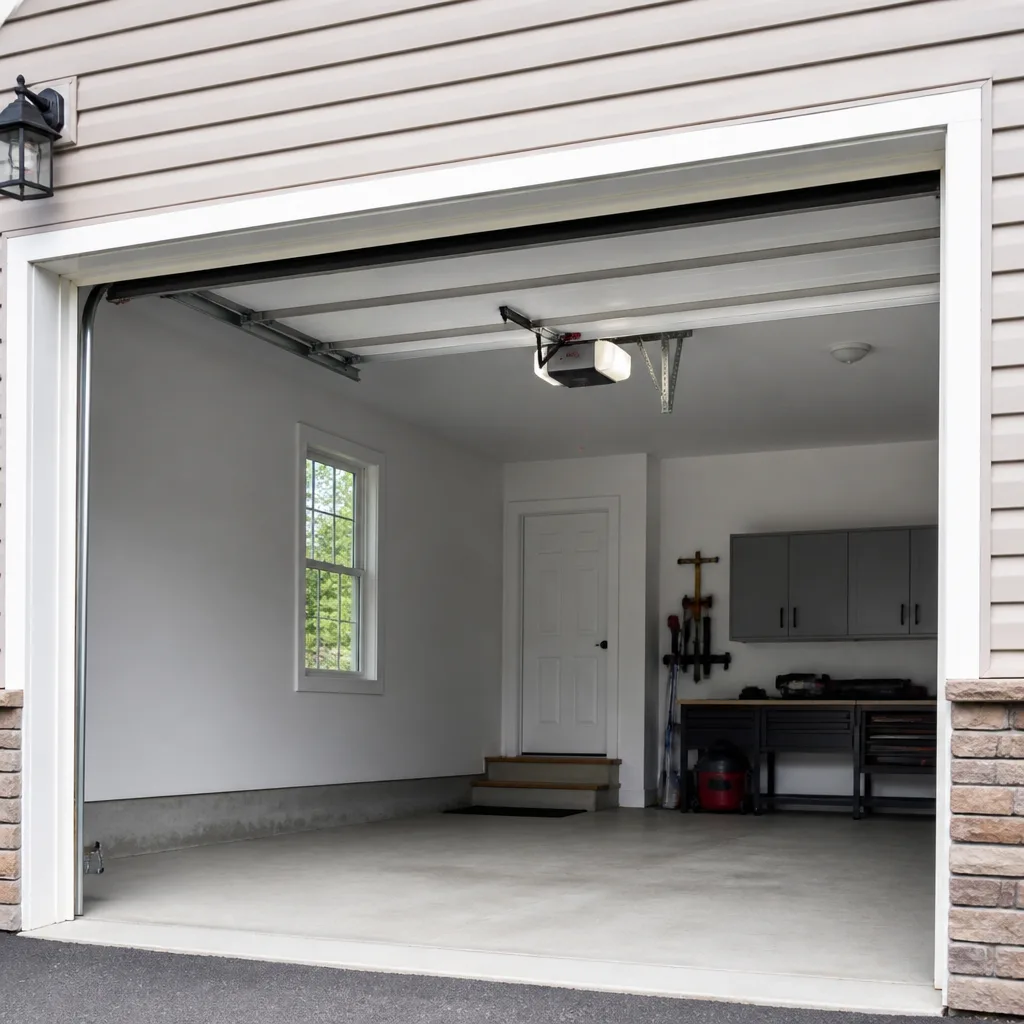 LiftMaster openers
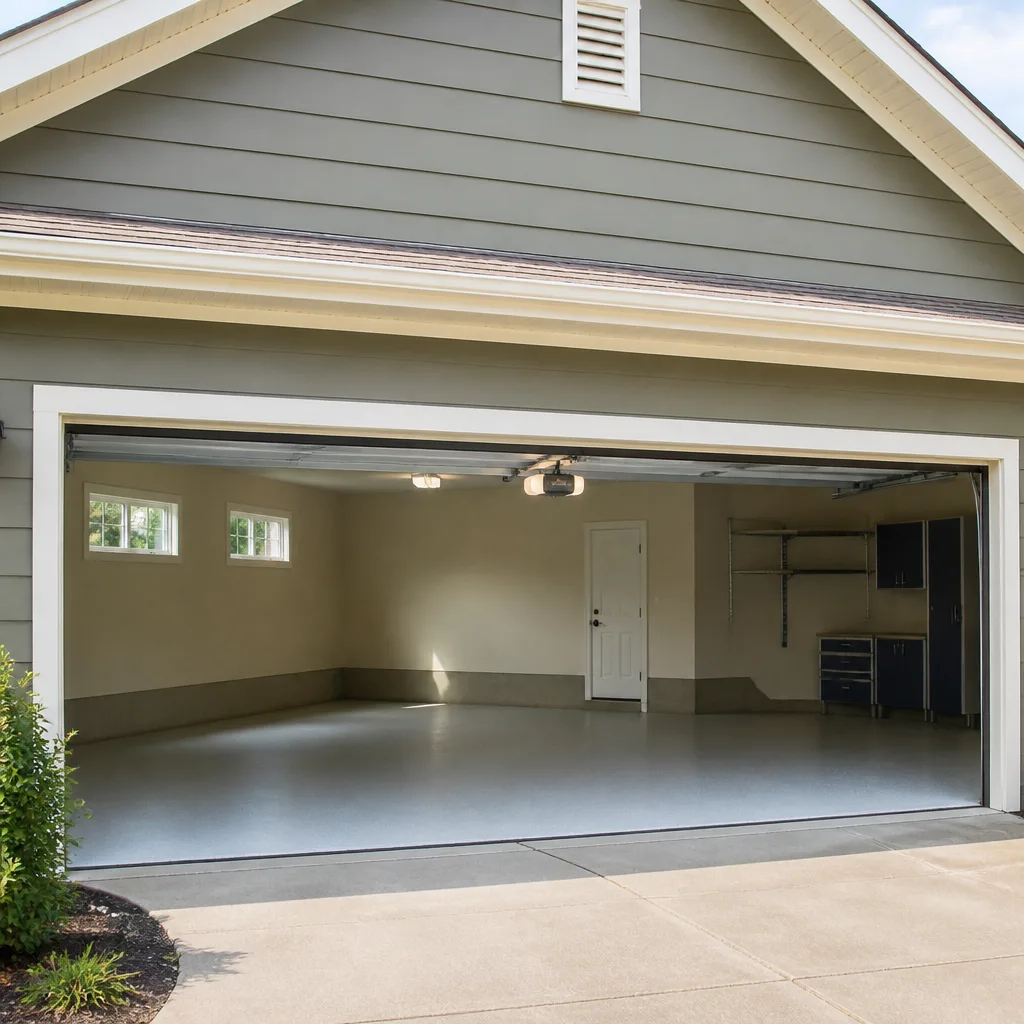 Chamberlain openers
Full 25-point door and opener safety check with every visit - springs, cables, rollers, tracks, and your LiftMaster or Chamberlain opener included
You get a price before we start. It does not change when the pro arrives.
Get your free estimateChoosing the Right Garage Door Brand: A Buyer’s Guide for Edina
Most garage door brand comparisons you’ll find online are written by people who have never stood in a Minnesota driveway in January. A brand that earns top marks in Arizona or Georgia is being judged on heat, sun, and dust. Your door in Edina faces a very different test: a long, hard freeze, a wet spring thaw, and a summer that swings back and forth across the thermometer. Steel gauge, insulation compression, and hardware tolerance all behave differently at -15°F than they do at 95°F. This guide is about that gap. We’ll cover how to read a spec sheet for cold-climate relevance, which hardware tends to fail first on each major brand, what “lifetime” actually means in the fine print, and how style choices carry real maintenance costs here in Edina.
Quick Answer
The best garage door brand for an Edina home is the one whose steel gauge, insulation rating, and hardware are built for a hard-freeze climate, not the one with the biggest national ad budget. In practice, a heavier-gauge steel door with solid insulation and quality torsion hardware will outlast a lighter door from a more famous label. Brands like Clopay and Amarr offer strong cold-climate options, but the specific model and how it’s installed matter more than the badge.
Styles & brands we work with
- Raised-panel steel
- Carriage house
- Modern flush
- Full-view glass
- LiftMaster openers
- Chamberlain openers
Table of Contents
- Why National Brand Rankings Miss the Point in Edina
- How to Read a Spec Sheet for a Minnesota Climate
- Steel Gauge and Insulation: The Thresholds That Matter
- Hardware Quality: What We See Fail First on Each Brand
- Warranty Literacy: What “Lifetime” and “Limited” Really Mean
- Style vs. Durability: The Maintenance Costs of Good Looks
- A Step-by-Step Brand Selection Process for Edina Buyers
- Matching Brand and Model to Edina Homes and Neighborhoods
Why National Brand Rankings Miss the Point in Edina
Garage door brand comparisons on the big review sites are almost always driven by manufacturer marketing or affiliate links. That means they reward brands with the biggest ad spend, not the ones that hold up in a cold climate. A five-star rating earned in a mild climate tells you almost nothing about how a door will perform through a Minnesota winter.
Edina sits in a heating zone where the door faces repeated freeze-thaw cycling. That cycling is what stresses metal, insulation, and moving parts. When the temperature drops to -15°F and then climbs back above freezing, steel contracts and expands. Insulation panels can compress. Hardware tolerances tighten and then loosen. A door rated highly for a warm-weather market may have thinner steel and lighter hardware that never gets tested this way.
There’s also the housing stock. Edina has a wide mix of homes, from mid-century ramblers in Countryside to newer builds near Centennial Lakes. A door brand that works well on a wide single-car opening may not be the right pick for a tall two-car door on a home with a deep, heated garage. The brand is one variable. The opening, the usage, and the insulation of the garage itself are just as important.
What a homeowner in Edina should really be asking is not “which brand ranks best nationally” but “which model from this brand is built for a hard-freeze climate, and will it be installed to handle it.” That reframes the whole decision. When you need help sorting through options, we’re here to talk it through; our garage door repair Edina team works on the brand you have, not just the ones we like to sell.
How to Read a Spec Sheet for a Minnesota Climate
The most useful thing you can do before buying a new garage door in Edina is learn to read the spec sheet. Manufacturer spec sheets are full of numbers, but only a handful of them matter for cold-climate performance. The rest is marketing dressed up as data.
Here’s what actually matters, and what to skim past.
What matters:
- Steel gauge. Lower gauge numbers mean thicker steel. A 24-gauge door is sturdier than a 27-gauge door. In a freeze-thaw climate, thicker steel resists denting and holds its shape better.
- Insulation type and R-value. Look for a stated R-value and note whether the insulation is polyurethane, polystyrene, or a vinyl-backed panel. Polyurethane generally insulates better per inch than polystyrene.
- Hardware spec. Check whether hinges, rollers, and torsion springs are rated for the door’s weight and cycle count. Light-duty hardware on a heavy insulated door is a mismatch.
- Weather seal and bottom seal. A good perimeter seal keeps out cold air and moisture. In Edina, that seal is doing real work all winter.
What’s mostly marketing:
- Claims like “premium,” “pro-grade,” or “heavy-duty” without a number attached.
- Color and finish options presented as performance features.
- Model names that sound technical but don’t map to any measurable spec.
If a brand can’t tell you the steel gauge and the R-value in plain numbers, that’s a signal. A serious manufacturer publishes those figures. And if you’re comparing a door you already own and trying to decide whether to repair or replace, our garage door repair team can look at what you have and give you a straight answer.
Steel Gauge and Insulation: The Thresholds That Matter
Two specs do most of the heavy lifting in a cold climate: steel gauge and insulation R-value. Get these right and you’ve solved most of the durability puzzle. Get them wrong and no brand name will save you.
Steel gauge minimums. For a Minnesota climate, a 24-gauge or thicker steel door is a reasonable floor for a daily-use door. Many budget doors use 27-gauge steel, which dents more easily and flexes more under freeze-thaw stress. That flexing puts extra strain on hinges and springs. If a door is on a heavily used two-car opening in Edina, going heavier is worth it.
Insulation R-value. R-value measures resistance to heat flow. For an attached, heated garage in Edina, a higher R-value door keeps the space warmer and reduces the load on your home’s heating system. For an unheated detached garage, insulation still helps with noise and condensation, but the threshold is lower. Ask the manufacturer for the tested R-value, not an “equivalent” figure.
Here’s a useful way to think about it: the door is the largest moving object in your home, and in winter it’s also the biggest hole in your building envelope. A poorly insulated door on an attached garage in Edina pulls heat out of the house every time it opens. Insulation isn’t a luxury feature here; it’s part of the building’s thermal performance.
One caution. Insulation values and gauge matter, but so does installation. A heavy, well-insulated door that’s hung poorly will bind, and binding puts stress on the very hardware that’s supposed to be robust. That’s why we treat garage door installation as its own discipline, not an afterthought to a sales call.
The honest takeaway: look for 24-gauge or heavier steel and a clearly stated R-value suited to whether your garage is heated. Those two numbers filter out most of the weak options before you ever compare brands.
Hardware Quality: What We See Fail First on Each Brand
Hardware is where brand differences show up in real life. Anyone can put a nice steel panel on a door. The hinges, rollers, springs, and opener connection are what determine how often you’re calling for repair. We work on all the major brands, so we can tell you what tends to fail first across the field.
On Clopay doors, the door panels themselves hold up well, but the rollers and hinges are the parts we replace most often on lighter models. On heavier insulated Clopay doors, the torsion spring system works hard and is worth checking before it fails.
On Amarr doors, the hardware is generally solid, and the torsion system tends to be dependable. The thing to watch is the bottom seal on doors installed years ago; it degrades in a Minnesota winter and lets cold air and moisture in.
On Wayne Dalton doors, the panel and finish are typically durable, but some models use hardware that’s lighter than the door’s weight suggests. That mismatch is where we see binding and premature roller wear.
On Craftsman doors and openers (many opened by Craftsman-branded systems), the opener connection points and the door’s original hardware are the weak spots. When the opener is paired with a heavy insulated door, the hardware takes more strain than it was built for.
Springs are a category of their own. A torsion spring is a high-tension component, and springs fail on a cycle-count basis. In Edina, a heavily used door cycles more times per year than a door in a mild climate where the garage is used less, so the spring reaches its limit sooner. Spring repair is one of the most technically demanding and safety-critical jobs in this trade, and we handle it in-house because it’s too dangerous to leave to guesswork. We cover it in more depth on our garage door opener repair page and our spring service. Please don’t attempt to adjust or replace a spring or its cables yourself: a garage door spring is under extreme tension and can cause serious injury. Call a trained technician.
Warranty Literacy: What “Lifetime” and “Limited” Really Mean
Warranty language is where a lot of Edina buyers get tripped up. “Lifetime” sounds absolute. It almost never is. The word to focus on is “limited.”
A “limited lifetime warranty” usually covers specific parts for the original purchaser only, and it often excludes labor, springs, rollers, and anything deemed ordinary wear. Many spring warranties have a much shorter term than the door warranty. A “lifetime” finish warranty may cover rust-through from the inside but not scratches, dents, or surface corrosion.
Here’s how to read a warranty with cold-climate buyers in mind:
- Find the coverage term for each part. Door panel, springs, hinges, rollers, and the finish often have separate and very different terms.
- Check whether labor is covered. Most manufacturer warranties don’t pay for the labor to install a replacement part.
- Look for exclusions based on installation or maintenance. Many warranties are voided by improper installation or a lack of routine lubrication.
- Confirm transferability. A warranty that only covers the original owner may not help if you sell the home.
- Note the climate-related language. Some warranties treat weather-related corrosion or extreme-temperature failures differently from normal wear.
In a freeze-thaw climate, the parts that fail most are the ones most often excluded: springs, rollers, and seals. That means the warranty isn’t a maintenance plan. It’s a narrow safety net. Read it carefully, and don’t assume “lifetime” means the door is covered forever.
Style vs. Durability: The Maintenance Costs of Good Looks
Style choices carry real maintenance costs in Edina. That doesn’t mean avoid them. It means go in with your eyes open. A door that looks great on day one can become a chore by year three if the materials weren’t chosen with a hard-freeze climate in mind.
Windows and glass panels. A row of windows adds light and curb appeal, but glass and the frames around it are where condensation and cold-air leaks start. In a Minnesota winter, poorly sealed windows can frost up and let cold air in. Choose insulated glass and well-sealed frames if you want the look.
Wood overlays and carriage-style details. Wood adds warmth and character, but wood expands and contracts with moisture. In Edina’s wet springs and dry winters, untreated or poorly finished wood can crack, warp, and need refinishing every few years. Composite and steel-backed overlays give a similar look with far less upkeep.
Embossed and textured finishes. These hide dents well and tend to be low-maintenance in cold weather. A flat, glossy finish shows every mark and can be more susceptible to surface corrosion from road salt tracked into the garage.
Color choice. Dark colors absorb heat in summer and can show contrast with frost and salt in winter. Lighter colors show less winter grime. Neither is wrong, but think about how the door will look after a season of Edina road conditions.
The tradeoff is simple. The more decorative the feature, the more attention it needs over time. A clean steel panel door with a good seal is the lowest-maintenance choice for a cold climate. If you want the decorative look, choose materials that stand up to freeze-thaw instead of fighting it.
A Step-by-Step Brand Selection Process for Edina Buyers
Here’s a practical process for narrowing the field to the right door for your Edina home. Work through these steps in order.
- Measure and define the opening. Note the width, height, and whether it’s a single or two-car opening. This determines which models are even available.
- Decide how the garage is used. Is it heated and attached, or unheated and detached? That sets your insulation threshold. An attached heated garage in Edina justifies a higher R-value door.
- Set your steel gauge floor. For daily-use doors, aim for 24-gauge or heavier. This is the single biggest durability filter.
- Compare hardware, not just panels. Ask what hinge and roller grade comes with the door, and what the spring system is rated for. Light hardware on a heavy door is a mismatch.
- Read the warranty part by part. Find the term for springs, finish, and hardware separately, and check whether labor and transferability are covered.
- Check the seal and weather stripping. A good perimeter seal is what keeps winter air out. Confirm what’s included and what’s extra.
- Get a written, itemized quote. The quote should list the model, hardware, seals, and installation. The written estimate sets the final price, and the price is agreed before any work starts.
- Confirm who installs it. Installation quality decides whether a good door performs. Ask how the door will be hung and balanced.
Working through these in order keeps you from getting sold a pretty door with weak hardware. It also makes brand comparisons fair, because you’re comparing apples to apples on the specs that matter. Our technicians have up to 10 years of experience across the major brands, and we’re happy to help you run this list on any model you’re considering.
Matching Brand and Model to Edina Homes and Neighborhoods
Edina isn’t one type of housing. The right door for a mid-century rambler in Countryside may not suit a newer build near Centennial Lakes, and the garage itself changes the answer too. A few things we think about when matching brand and model to an Edina home:
- Older ramblers and split-levels often have a single, narrower opening and an attached but not always fully heated garage. A mid-weight insulated door with solid hardware is usually a good fit, and heavier steel helps if the opening is used constantly.
- Newer builds tend to have wider two-car openings and well-insulated, heated garages. Here a higher R-value door and a heavier gauge make the most sense, and the opener and door hardware need to handle the extra weight.
- Homes near the lakes and creeks, like around Lake Cornelia or Mirror Lake, can see more moisture in the garage. A good bottom seal and a finish that resists corrosion matter more in those spots.
- Homes with decorative carriage-style doors in neighborhoods like Countryside or Edina Highlands benefit from composite or steel-backed overlays rather than solid wood, which needs more upkeep through the seasons.
Brand does matter here, but it plays second fiddle to the model and the installation. A well-chosen Clopay or Amarr model, installed properly with the right hardware, will serve an Edina home well through many winters. A famous badge on a light door with weak hardware won’t. One call covers it all, from measuring the door to hanging it, so you don’t need to line up separate contractors.
Common Mistakes to Avoid
- Choosing by national rating alone. A brand that ranks high for a warm climate may not be built for Edina’s freeze-thaw cycling. Judge the model specs, not the national score.
- Ignoring steel gauge. Buying a 27-gauge door to save money often costs more later in dents, binding, and hardware wear. Stick to 24-gauge or heavier for daily use.
- Skipping the R-value question. On an attached, heated garage in Edina, an under-insulated door leaks heat all winter. Confirm the tested R-value before you buy.
- Mismatching hardware to door weight. A heavy insulated door on light-duty hinges and rollers will bind and wear out. Ask what grade the hardware is rated for.
- Reading only the headline warranty term. That “lifetime” claim may cover the panel but exclude springs, rollers, and labor. Read the fine print part by part.
- Overdoing decorative features in a cold climate. Wood overlays and unsealed glass panels look great but add real maintenance in Minnesota. Choose materials built for the weather.
- Not getting an itemized written quote. A vague quote makes it impossible to compare doors fairly. Get the model, hardware, seals, and installation priced in writing.
See the difference
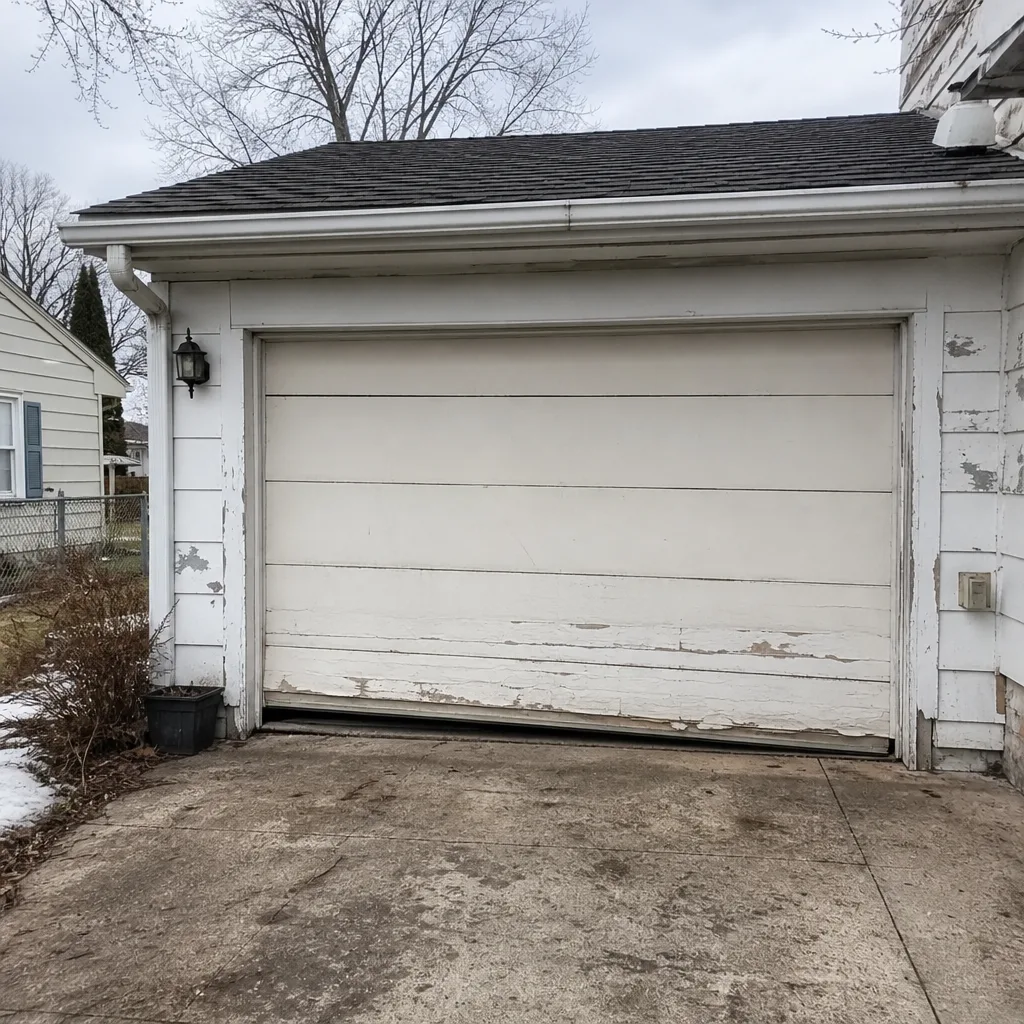 Before
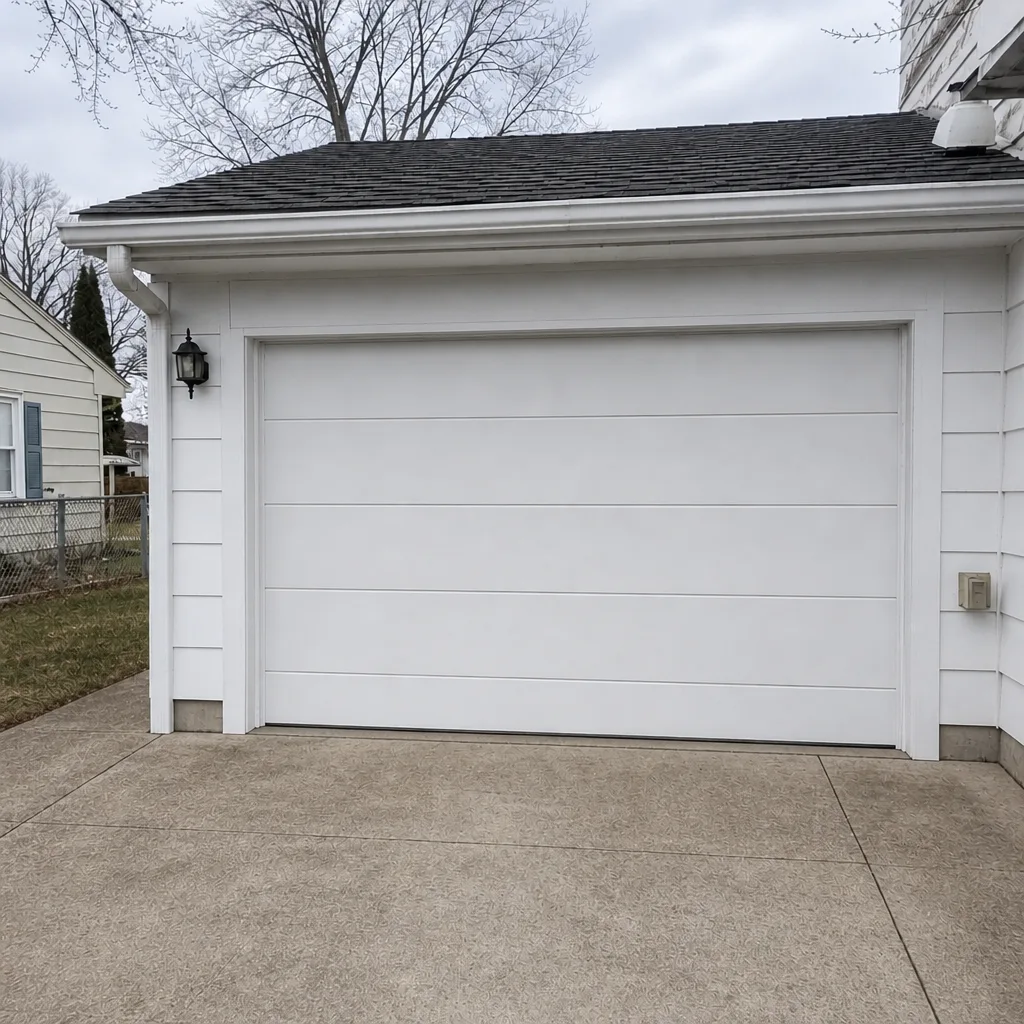 After
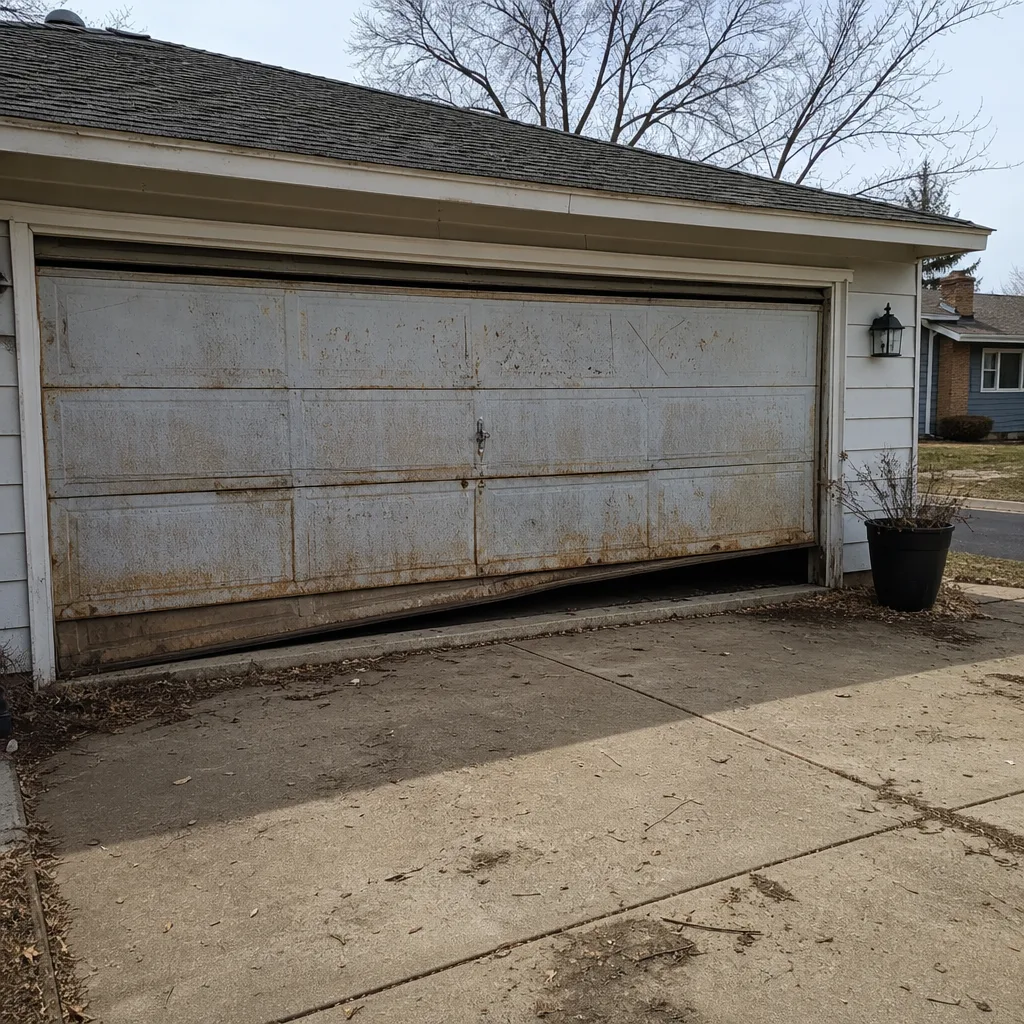 Before
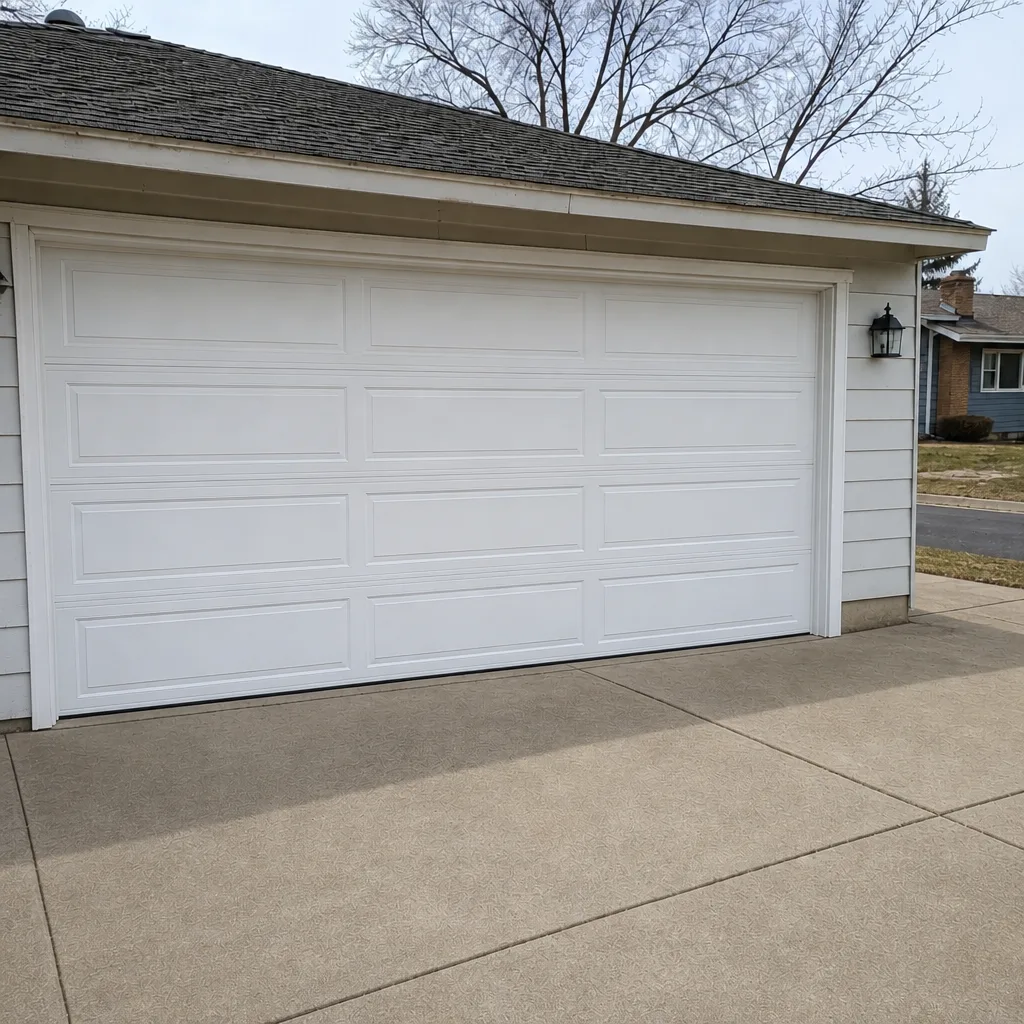 After
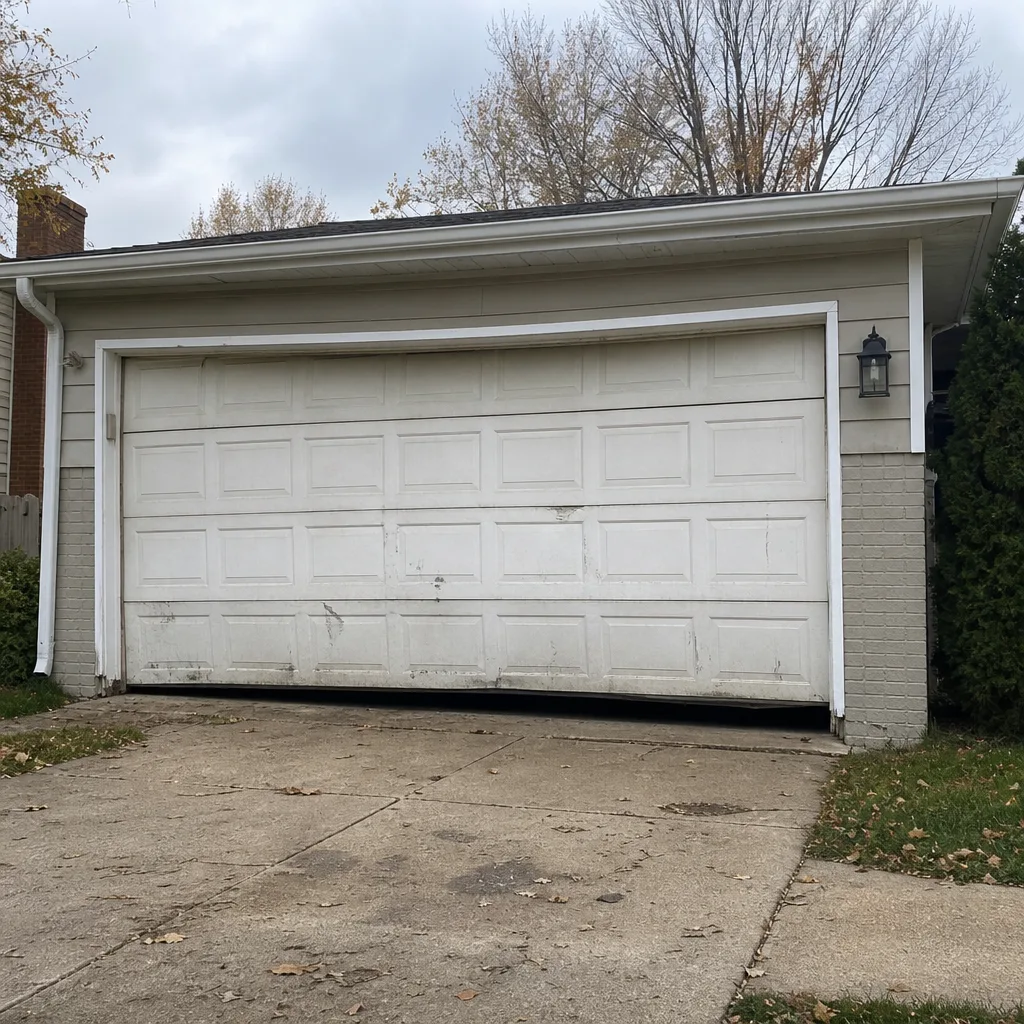 Before
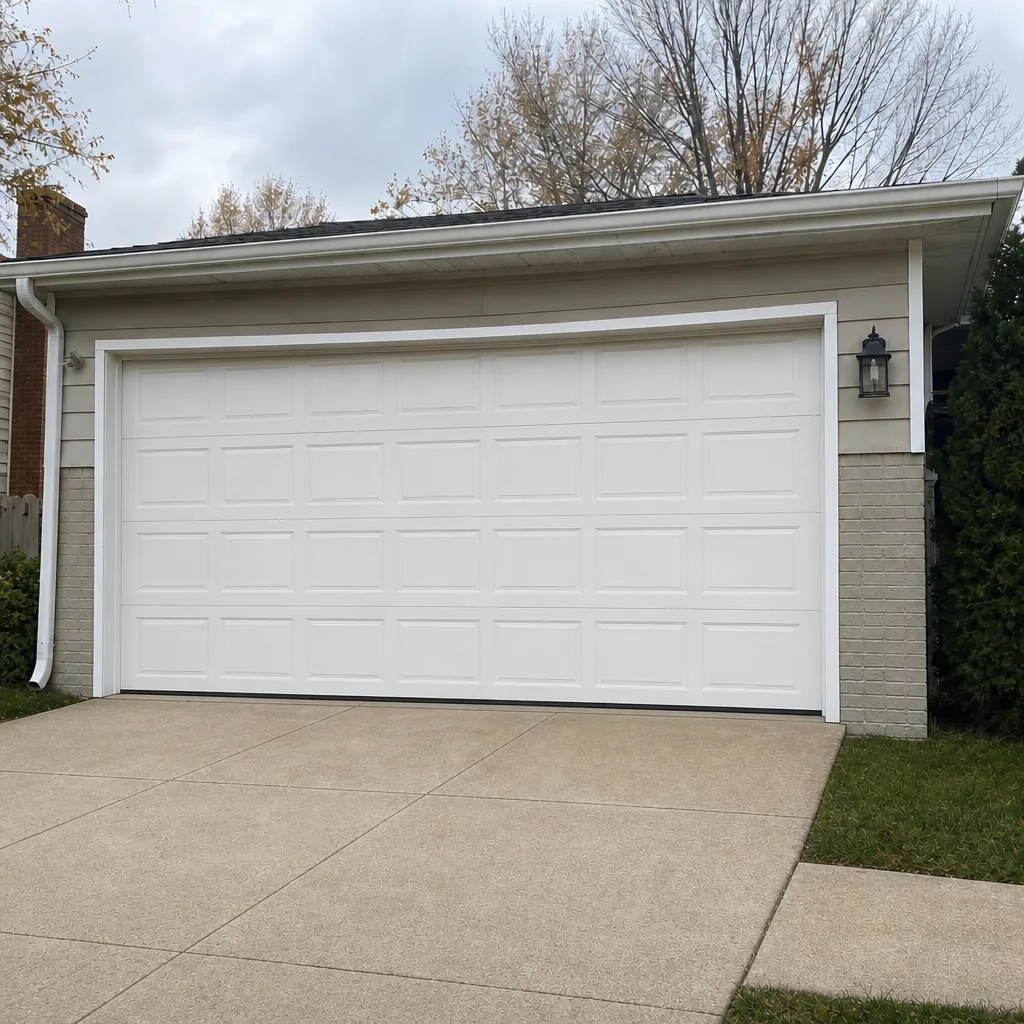 After
When to Call a Professional
Some garage door decisions are simple, and some need a trained eye. Call a professional if your current door is binding, if a spring has snapped, if the opener strains to lift the door, or if you’re weighing repair against replacement. These situations have safety and cost implications that are hard to judge from the outside. Springs and cables are especially dangerous and should never be handled without training; a torsion spring under tension can cause serious injury. A trained technician can diagnose the whole system, not just the one part that’s making noise. Our team works on the brand you have, from Clopay and Amarr to Wayne Dalton and Craftsman, and we handle new installation when a repair no longer makes sense. Garage Door Repair Edina offers free estimates in Edina. Call (855) 658-3994. We answer 24/7. Fast dispatch from 7am to 7pm, Sunday through Friday.
Frequently Asked Questions
The best brand for an Edina home is the one whose model uses 24-gauge or heavier steel, has a clearly stated insulation R-value suited to your garage, and comes with hardware rated for the door’s weight. Brands like Clopay and Amarr offer strong cold-climate options, but the specific model and the installation quality matter more than the label. Call (855) 658-3994 for an exact quote – estimates are free.
You need real insulation if your garage is attached and heated, because an under-insulated door pulls heat out of the house all winter. If your garage is detached and unheated, insulation still helps with noise and condensation, but the threshold is lower. Confirm the tested R-value with the manufacturer before buying. Call (855) 658-3994 to talk through what your garage needs.
Read it part by part, not as one “lifetime” claim. Check the separate terms for the door panel, springs, hinges, rollers, and finish, and look for whether labor is covered and whether the warranty transfers. Springs and rollers are the parts that fail most in a freeze-thaw climate, and they’re often excluded. Call (855) 658-3994 with questions about a specific model.
In our experience, springs, rollers, and bottom seals fail first in a freeze-thaw climate. Springs wear on a cycle-count basis and reach their limit sooner on heavily used doors, while rollers and seals take the brunt of cold and moisture. Inspecting these before winter helps. Call (855) 658-3994 to schedule a look.
Repair is usually the better value when the panels are solid and only hardware or a spring has failed. Replacement makes more sense when panels are dented, the door is under-insulated for a heated garage, or repairs keep repeating. A written estimate for each path makes the decision clear. The price is set per job by the written estimate, agreed before any work starts. Call (855) 658-3994 for a free estimate.
Yes, when the door is chosen and hung for the conditions. That means heavier steel, solid insulation, hardware rated for the door’s weight, and a good perimeter seal, all installed and balanced properly. Getting the specs and the installation right is what prevents freeze-thaw problems. Call (855) 658-3994 to get started.
The Bottom Line
Choosing a garage door brand in Edina comes down to specs, not slogans. Look for 24-gauge or heavier steel, a clearly stated R-value matched to how your garage is used, and hardware rated for the door’s weight. Read the warranty part by part, and go easy on decorative features that add real maintenance in a freeze-thaw climate. Brands like Clopay and Amarr have strong cold-climate models, but the model and the installation matter more than the badge. Use the step-by-step process above, get an itemized written quote, and you’ll end up with a door built for Edina weather.
When you’re ready to compare doors or need a repair on the one you have, we work on the brand you actually own. Call (855) 658-3994 for a free estimate. We answer 24/7. Fast dispatch from 7am to 7pm, Sunday through Friday. The price is quoted and agreed before any work starts, and our technicians have up to 10 years of experience across LiftMaster, Chamberlain, Genie, Clopay, Amarr, Wayne Dalton, Craftsman, and Raynor.
Written by the team at Garage Door Repair Edina.